Tomato Sauce Too Acidic: What to Add Instead of Sugar
Tomato sauce can remain acidic even after long cooking. Techniques such as choosing the right tomato, proper sautéing and using grated carrot help balance the flavor without relying on sugar.

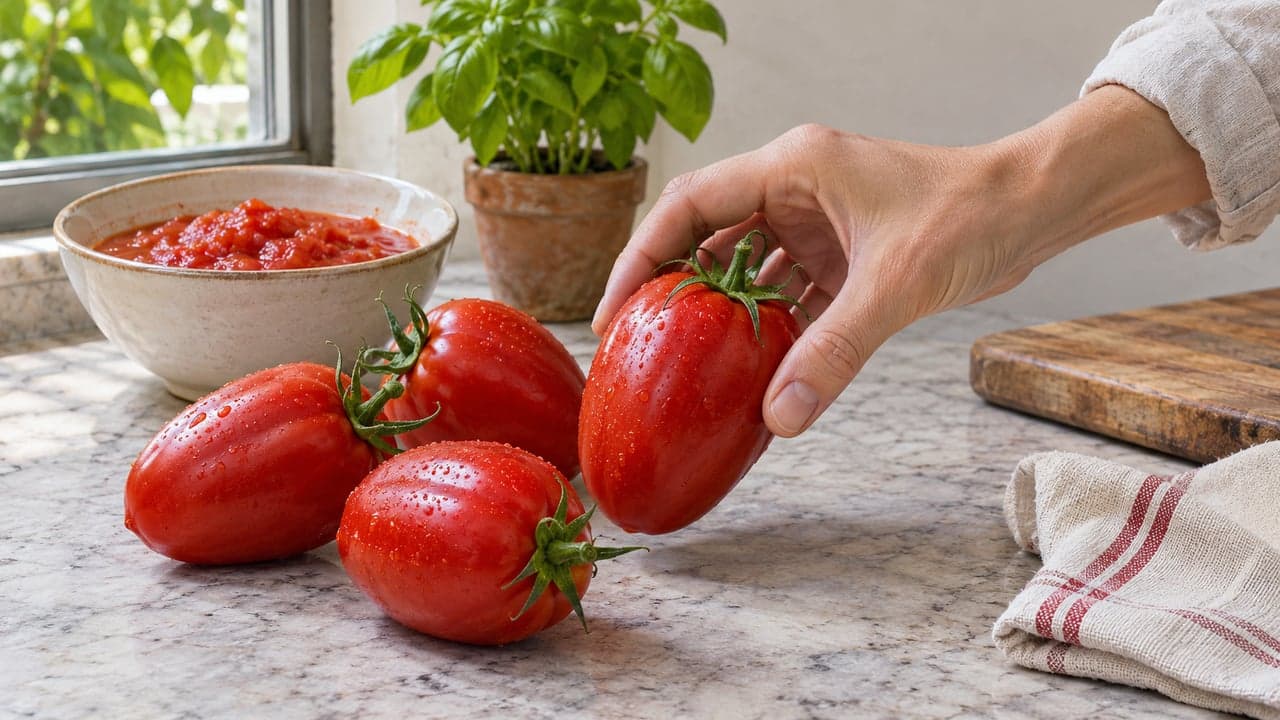
Homemade tomato sauce is a classic of cooking, but many cooks face a persistent problem: even after hours of cooking, the sauce remains acidic. Excessive acidity can compromise the taste of pasta and other dishes, leading many to add sugar as a correction. However, there are healthier and more effective alternatives to balance the taste without masking the tomato.
Experts point out that the choice of ingredients and the method of preparation are fundamental to control acidity. The source consulted did not detail statistical data, but highlighted practices that make a difference in the final result. Next, understand why the sauce gets acidic and what to do to prevent it.
Choose ripe and quality tomatoes
The first step to a balanced sauce begins with the selection of tomatoes. Prefer red, heavy and fragrant fruits, as these characteristics indicate proper ripening and lower acidity. Green or poor quality tomatoes tend to be more acidic and fibrous.
Also, remove green, bruised or very fibrous parts before preparation. These parts can concentrate compounds that intensify acidity and alter the texture of the sauce. Careful selection ensures a sweeter and smoother base.
With the right tomatoes in hand, the next step is to decide the desired texture for the sauce.
Use pastry or peeled for smooth sauce
When the recipe asks for a smooth and homogeneous sauce, the tip is to use good quality passata or peeled tomatoes. These products already undergo processing that removes seeds and skins, resulting in a smoother and less acidic sauce.
Very aqueous fresh tomatoes require further reduction, which can intensify the acidic taste. Therefore, opting for quality ready products can be a practical and efficient solution to avoid excessive acidity.
With the base defined, it is time to prepare the sauté, which also influences the final taste.
Refocus without too much gold
The garlic and onion sauté is the soul of the sauce, but it is necessary to be careful not to brown too much. When these ingredients burn, they release bitter compounds that can accentuate the perception of acidity in the dish.
Refocus over medium heat, stirring constantly, until they are translucent and soft. This care avoids bitterness and creates a balanced aromatic base to receive the tomato.
With braised ready, the cooking technique is also crucial to control acidity.
Cook on low heat with lid pot
A very aqueous tomato requires greater reduction, which can intensify the acidic taste. To avoid this, start with an aromatic base of olive oil, onion and garlic, then cook over low heat with the pan partially covered. This method better preserves the texture and avoids splashes without turning the sauce into paste.
The slow cooking and partial lid allows the flavors to integrate without overly concentrating the acidity. In addition, it reduces the need to constantly stir, preventing the sauce from burning at the bottom.
With the sauce cooking, it’s time to think about an ingredient that can neutralize acidity naturally.
Add grated carrot in the sautéed
An effective alternative to sugar is grated carrots. Grate the carrot so it cooks faster and add it right after sautéing, before the tomato. The carrot releases natural sugars during cooking, balancing acidity without adding refined sugar.
In addition to sweetening gently, carrots contribute texture and nutrients to the sauce. The sweet taste is subtle and does not mask the taste of tomatoes, unlike white sugar.
After adding the carrot, it is important to know the right time to taste and adjust the seasoning.
Try only after soft boiling
Many cooks make the mistake of tasting the sauce at the beginning of cooking, when the acidity is still concentrated. The recommendation is to taste only after 20 to 30 minutes of gentle boiling. At this point, the flavors have already integrated and the actual acidity can be assessed.
Trying in stages is what separates a balanced sauce from a pot loaded with fixes. Acidity needs to bring vivacity to the dough and cheese, not dominate every bite. With patience and observation, it is possible to adjust the seasoning accurately.
In addition to carrots, herbs can complement the balance of flavors.
Combine Herbs Without Exaggerating
To enhance the flavor of the sauce without masking the acidity, combine carrots with basil, oregano or blond, without overdoing the herbs. Moderate use of these herbs adds complexity and freshness, helping to harmonize the whole.
Excessive herbs can compete with tomatoes and create a confusing taste. The idea is that they complement, not dominate. Thus, the sauce retains its identity and gains layers of flavor.
With all these techniques, the result is a balanced and tasty tomato sauce without the need for sugar.
Balance is the key to good sauce
With well-chosen pulp, low heat and precise fit, the tomato retains its intense flavor and gains a more round texture. Acidity ceases to be a problem and becomes a component that enhances the dish, in harmony with the dough and the cheese.
These simple practices can transform your tomato sauce recipe, making it healthier and tastier. Try replacing sugar with grated carrots and feel the difference in the end result.
For more cooking tips and recipes, continue browsing the Boca no Trombone portal. We have daily content to help you in the kitchen and in the day to day.
Read Also
Red berries cheesecake: easy recipe at home
Font
catracalivre.com
tomato (en.wikipedia.org)