Trump, Putin and Xi Jinping meet: what does Brazil gain
The unprecedented meeting between Donald Trump, Vladimir Putin and Xi Jinping, which took place on November 18, 2026, is the subject of episode #1849 of the podcast O Assunto. Professor Leonardo Trevisan analyzes the implications for Brazil.


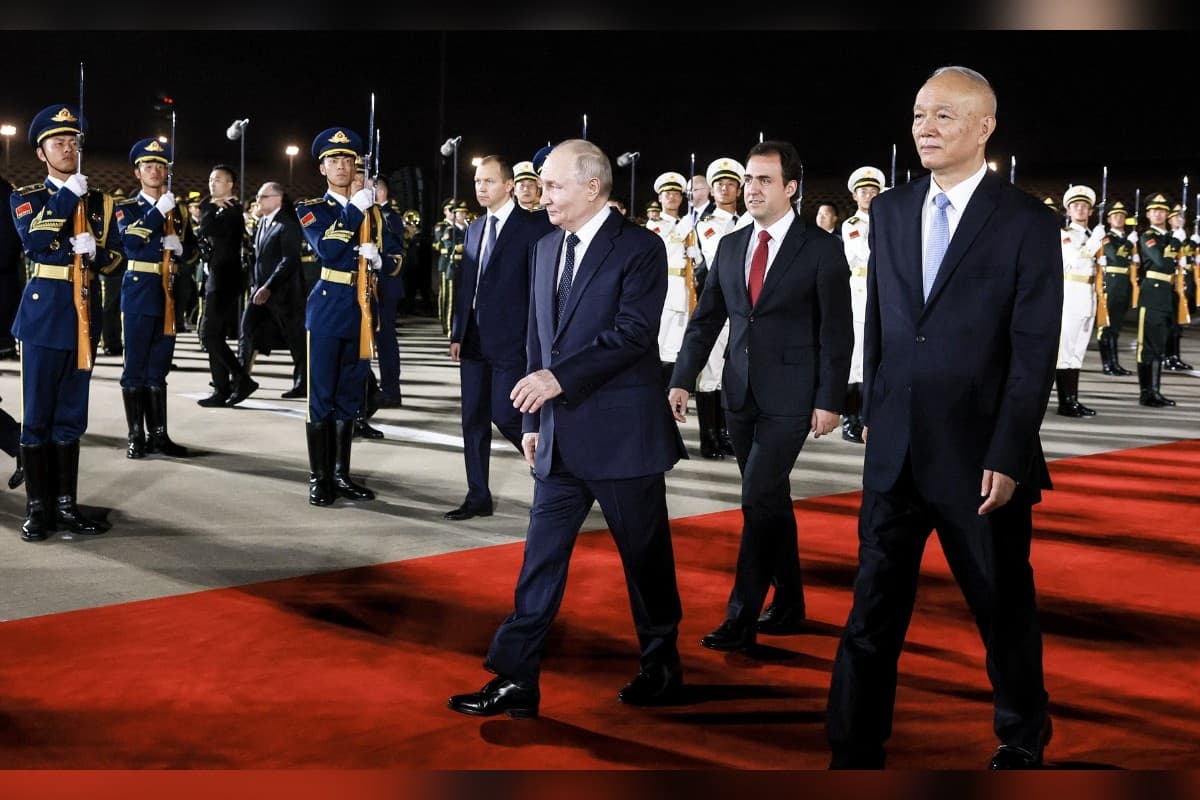
The world followed a historic moment on November 18, 2026: the handshake between Donald Trump and Vladimir Putin in front of Xi Jinping in China before a trilateral meeting. The record was reproduced by g1 and is the starting point of episode #1849 of the podcast The Subject, presented by Natuza Nery. To analyze the meeting and its possible reflections for Brazil, the program invited Leonardo Trevisan, professor of International Relations at ESPM.
The meeting marks the first time that the leaders of the three powers have met in the same environment, according to available information. The image of the Trump-Putin compliment, with Xi Jinping watching, symbolizes a new phase in global geopolitical relations. The source did not detail the official agenda of the meeting, but the simple fact that it occurs already arouses the attention of analysts and governments.
What is known about the meeting
The confirmed information is limited: the photo reproduced by the g1 shows the moment of the compliment between Trump and Putin, with Xi Jinping present. There are no details on the topics discussed, agreements signed or duration of the meeting. The source did not detail the exact location in China where the meeting took place, nor whether there were any joint statements.
The absence of official information does not prevent experts, such as Leonardo Trevisan, from interpreting the meaning of the meeting. For the ESPM professor, the trilateral meeting may indicate an attempt to reorganize the international board, with direct impacts on emerging economies. The transition to the next topic is natural: how does Brazil position itself in this scenario?
What Brazil gains from this
The episode of the podcast The Subject aims to answer exactly this question. Leonardo Trevisan, with his experience in international relations, evaluates that Brazil can benefit from a new balance of forces between Estados Unidos, Russia and China. The source did not detail what these specific gains would be, but the professor’s analysis suggests that the country can expand its bargaining space.
Historically, Brazil maintains diplomatic relations with the three powers, which can become an advantage in a context of global realignment. The possibility of trade agreements, investments in infrastructure and technological cooperation are paths that usually arise in moments of détente. However, the source has not confirmed any concrete benefits for Brazil so far.
Analysis by Professor Leonardo Trevisan
Leonardo Trevisan, professor of International Relations at ESPM, was the guest of the episode to untangle the theme. His speech, although not transcribed in the claims, is part of the assumption that the trilateral meeting alters the dynamics of global power. The professor is known for analyses that connect geopolitics and economics, which helps to understand possible impacts for Brazil.
Trevisan’s participation in the podcast reinforces the relevance of the subject for the Brazilian public. The The Subject program, produced by a team of six professionals and presented by Natuza Nery, has a tradition of bringing experts to explain complex topics in an accessible way. The transition to the next subtitle addresses the production of the episode.
How the podcast was produced
Episode #1849 of The Subject is the result of the work of Luiz Felipe Silva, Luiz Gabriel Franco, Juliene Moretti, Stéphanie Nascimento, Marco Antônio Martins and Thomé Granemann. The presentation is given by Natuza Nery, a journalist recognized for his conducting interviews. The production team guarantees the technical and editorial quality of the program.
The choice of the theme reflects the importance of the meeting for the international agenda. The podcast, which is part of the g1 portfolio, seeks to translate for the Brazilian listener what global events mean in the day to day. The source did not detail the length of the episode, but the format usually varies between 30 and 50 minutes.
Why it matters to the reader
The meeting between Trump, Putin and Xi Jinping can influence commodity prices, investment flows and even Brazilian foreign policy. To the average citizen, these issues seem distant, but they affect everything from the price of fuel to the supply of jobs. The podcast The Subject serves the role of bringing these debates closer to local reality.
In addition, the image of compliance among leaders already circulates on social networks and in the press, generating varied interpretations. The episode with Leonardo Trevisan offers a qualified analysis, avoiding unfounded speculation. The source did not detail whether there will be any new episodes on the subject, but the repercussions suggest that the subject will continue on the agenda.
What to expect from the next chapters
Without official information on the results of the meeting, it remains to monitor the developments in the coming weeks. Brazil, as a relevant player in the global scenario, should closely monitor the movements of the three powers. The podcast The Subject, with its experienced team, will probably return to the theme if there is anything new.
For those who want to delve deeper, episode #1849 is available on the main audio platforms. The recommendation is to listen to the full analysis of Leonardo Trevisan and form your own opinion on what Brazil can gain from this new geopolitical arrangement. In the meantime, the Boca no Trombone portal will continue to track the developments and bring up-to-date information.
Read Also
U.S. envoys negotiate war in Ukraine in Berlin
Font
g1.globo.com
Lula's suggestion for a trilateral meeting on the war in Ukraine was given to Trum (oglobo.globo.com)
Donald Duck goes to China (oglobo.globo.com)