Dog Gets Sad After Visits? See How to Help
The departure of visitors changes the dynamics of the house and can affect the behavior of dogs. An expert explains that some animals need a period of adaptation after days of excitement. Preserving the routine and offering a calm environment are important recommendations.

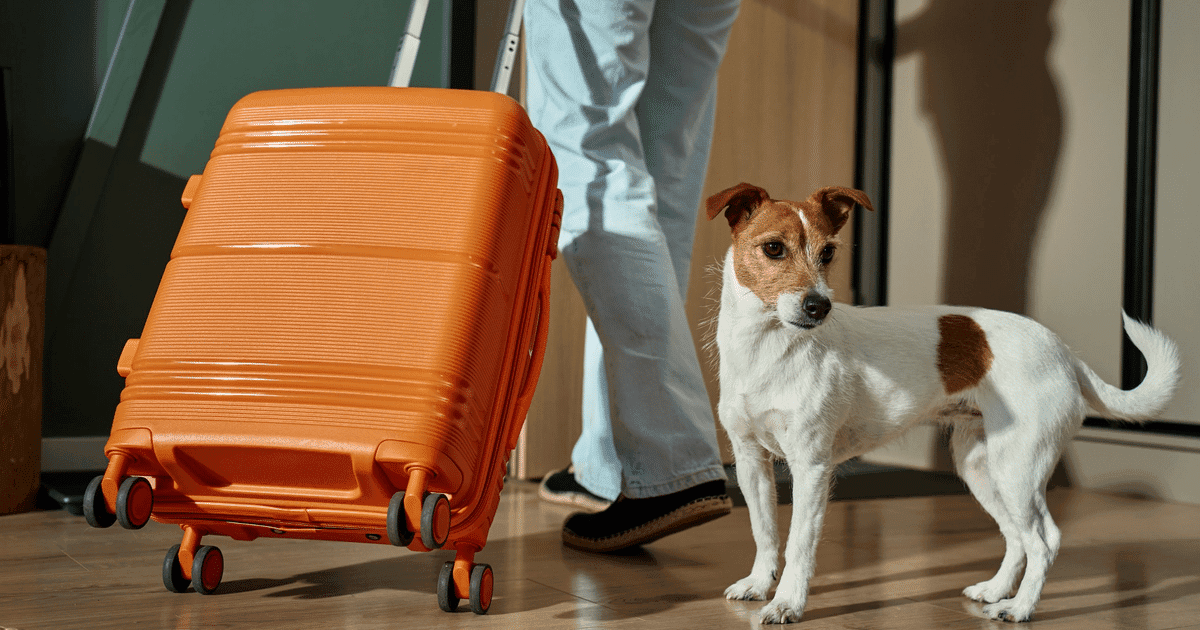
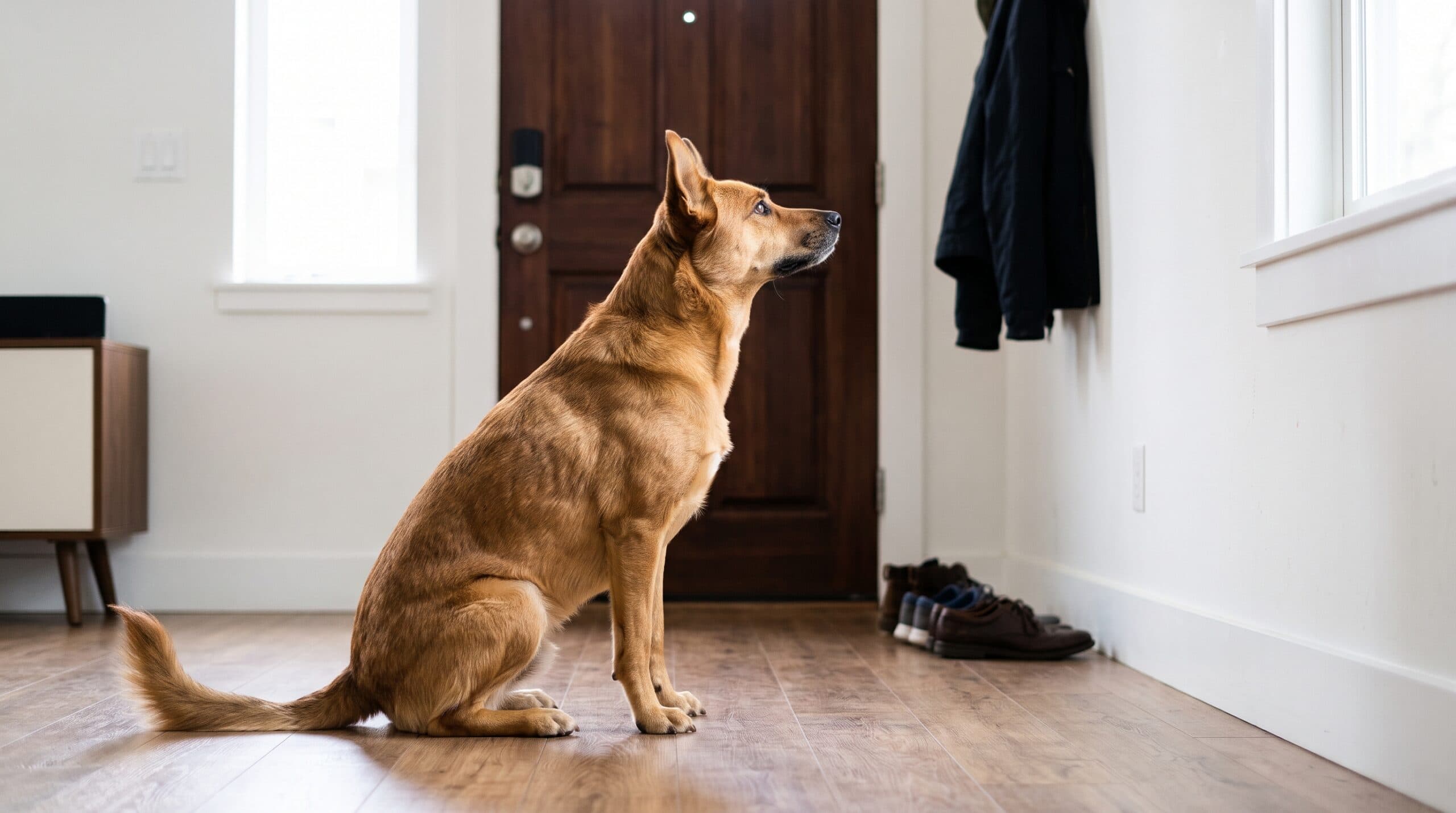
The departure of the visits changes the dynamics of the house and can affect the behavior of the dogs. After days of partying and turmoil, many tutors notice that their pets look different, quieter or even sad. But do dogs really feel sadness when visitors leave? Experts explain that canine behavior at these times is linked to changes in routine and environment.
During the holidays, the dog can receive more attention and get in touch with different people, sounds and stimuli. When everything returns to normal, some animals need a period of adaptation. It is also possible that they are only tired after so much movement,” explains the interviewed teacher.
Change in routine affects behavior
The presence of visitors changes the routine of the house. There is more noise, more people circulating and often more interaction with the animal. When the visits leave, the silence and calm can be felt by the dog, who needs to readapt to the previous routine. This transition can generate behaviors that tutors interpret as sadness, but that are in fact natural responses to a change in the environment.
Each dog reacts in a way. Some like to move, while others may be stressed out by the presence of many people. Therefore, it is important to know the habitual behavior of the animal and observe changes that persist after the celebrations, guides the teacher.
Preserving the routine helps in adaptation
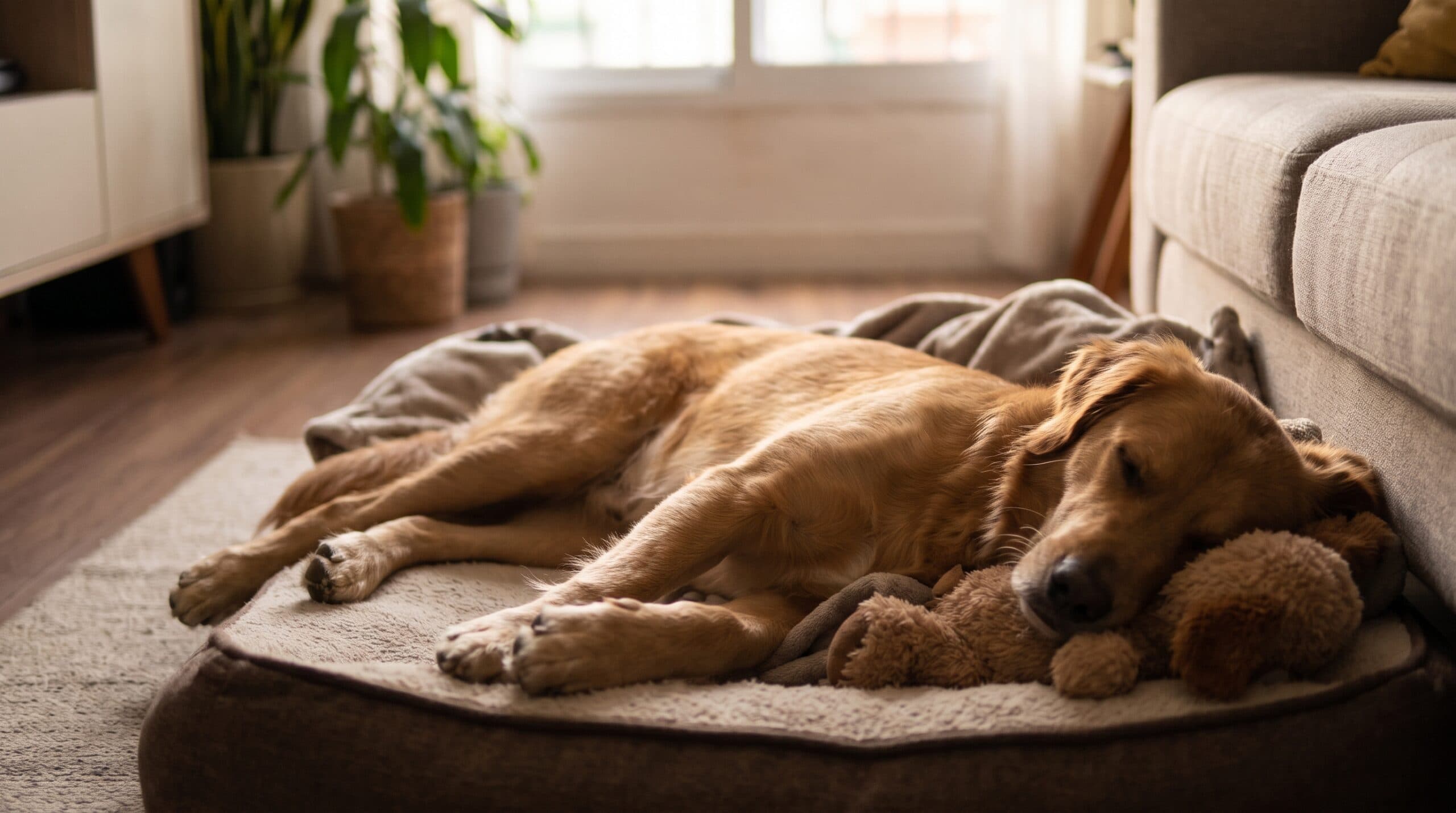
To help the dog adapt after the visit, the recommendation is to preserve, whenever possible, the usual times of feeding, walks and rest. After days of increased agitation, offering a calm environment and allowing the animal to rest can help with adaptation. Keeping predictability is a way to give safety to the dog.
Jokes, walks and environmental enrichment activities are also important, as long as they respect the interest and disposition of the dog. The ideal is to observe the behavior of the animal without forcing interactions or trying to compensate for the exit of the visits with excessive stimuli. Rest is essential during this period.
Notice signs of stress or fatigue
Not every quieter behavior means sadness. Often, the dog is only tired after so much movement. The teacher points out that it is possible that they are only tired after so much movement. Therefore, it is essential to differentiate fatigue from possible prolonged stress.
If your pet has persistent changes in appetite, sleep, or interest in activities that they once enjoyed, it may be a sign that something is not going well. In these cases, the guidance is to seek a veterinarian or an animal behavior specialist. The source did not detail any other warning signs.
Respect your dog’s time
Each animal has its own rhythm of adaptation. Some return to the routine quickly, while others may take a few days. The important thing is not to force interactions and to make room for the dog to feel safe again. The patience of the tutor is essential in this process.
Offering a quiet corner, with walks and fresh water, can help the animal to recover. Avoid receiving new visits soon after, if possible, so as not to overload the dog. Gradually, he will return to his usual behavior.
Understanding canine behavior after visits is essential to ensure the animal’s well-being. With simple attention and care, it is possible to help the dog to go through this period of readaptation without suffering. Keep following the Boca no Trombone Portal for more tips on the pet universe.
Read Also
Cat approaches, but does not accept affection? Understand.
Font
www.terra.com.br