White hair before 30 may indicate lack of B12 or iron
White hairs before 30 years old may signal a deficiency in vitamin B12 or iron, as well as genetic factors and smoking. A trichologist advises medical evaluation and preventive care.

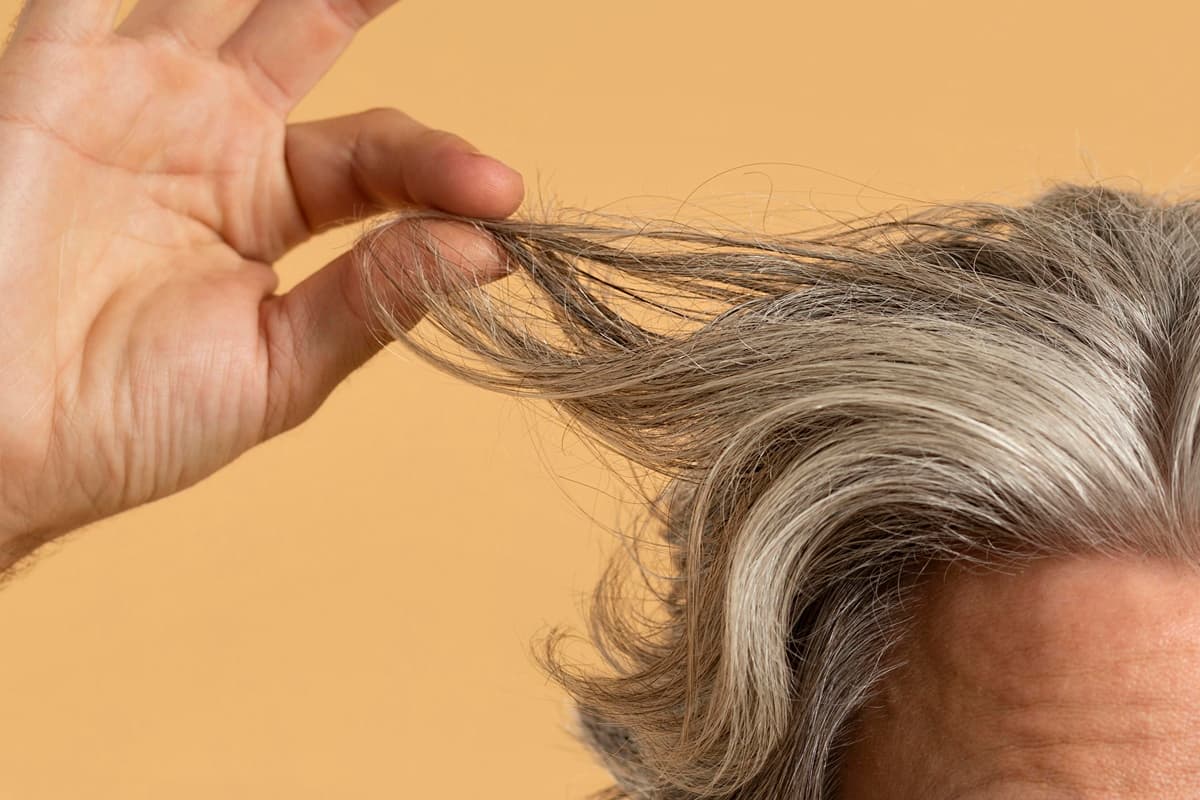
The appearance of white hair before the age of 30 can be more than an aesthetic issue. According to the trichologist Juliana Sousa, from São Paulo, the change in the color of the strands may be associated with a lack of vitamin B12 or iron in the body. The specialist explains that early whitening deserves attention, especially when accompanied by other symptoms.
Juliana details that hair gets color as it grows. At the root, cells called melanocytes produce melanin, the pigment that gives color to the thread. When production decreases, the new part grows clearer, and if production stops, it is already born white. Genetics influences both the age at which the change begins and how quickly it progresses.
What is considered early
In medical evaluation, whitening is usually considered early when it begins before age 20 in white people, 25 in Asian people and 30 in black people. These parameters help professionals identify cases that go beyond what is expected for each ethnic profile.
For Juliana, age is just one of the clues. “The most important thing is to evaluate family history, the number of white hairs, the age of onset and the speed of progression. White hair alone should not be seen as a sign of disease,” he says. The clinical context is fundamental to differentiate a natural process from a framework that requires research.
Signs that call for research
In addition to white hair, some symptoms may indicate nutritional deficiencies. Tingling in the hands and feet or difficulty concentrating may indicate lack of B12. On the other hand, pallor and unusual tiredness can lead the doctor to investigate anemia with a blood count and check the iron stocks.
These signs, when present, help the professional to direct examinations and confirm if there is a relationship between nutritional deficiency and early whitening. Clinical evaluation is essential to avoid unnecessary supplementation.
Habits that influence the wires
Some care helps prevent nutritional deficiencies and reduce exposure to factors associated with white hair. The extent of each measure depends on the cause. Avoiding cigarettes is one of the most relevant guidelines: smoking is one of the habits most associated with the early appearance of white hair.
Taking care of food is also essential. A varied diet, with proteins, vitamins and minerals, helps prevent deficiencies. Those who follow a vegan or vegetarian diet may need guidance on B12, which is mainly found in animal foods. In these cases, professional follow-up is important to adjust the diet or indicate supplementation.
Color treatment and recovery
Correcting confirmed deficiencies can bring encouraging results. There are reports of partial color recovery over months after treatment of B12 or iron deficiency. However, Dr. Vivian warns, “If the levels are normal, taking more does not benefit hair color.”
This means that supplementation is only indicated when there is a diagnosis of deficiency. The indiscriminate use of vitamins or minerals does not reverse genetic whitening and may even bring health risks.
Sleep and stress: what is known
Taking care of sleep and stress favors hair health, but there is no evidence that they prevent whitening of genetic origin. Sleeping well and controlling stress are beneficial habits for the body as a whole, but should not be seen as an isolated solution for white hairs.
The recommendation is to maintain a balanced routine and seek a specialist when noticing significant changes in the color or amount of white hair, especially if there are other associated symptoms.
When to Seek a Doctor
The ideal is to seek medical evaluation when whitening begins before the reference ages for each ethnicity or when there is rapid progression. The professional may order tests such as blood counts and B12 dosing to check for possible deficiencies.
With the correct diagnosis, it is possible to treat the cause and, in some cases, observe partial improvement in color. For genetic cases, follow-up helps to understand the process and adopt care that preserves hair health.
For more information about saúde e bem-estar, continue browsing the Boca no Trombone portal.
Read Also
Bolsonaro has intestinal obstruction and is medicated
Pancreatic cancer: understand why it is so lethal
Does the dog feel the stress of the tutor? Science Explains
Font
Metropoles.com