Juliano Moreira: doctor who humanized psychiatry in Brazil
Juliano Moreira, graduated in medicine at 18 years old, revolutionized psychiatric care in Brazil by taking over the National Hospital for the Insane in 1903. His journey, alongside Maria Odília Teixeira, is remembered on Black Consciousness Day.

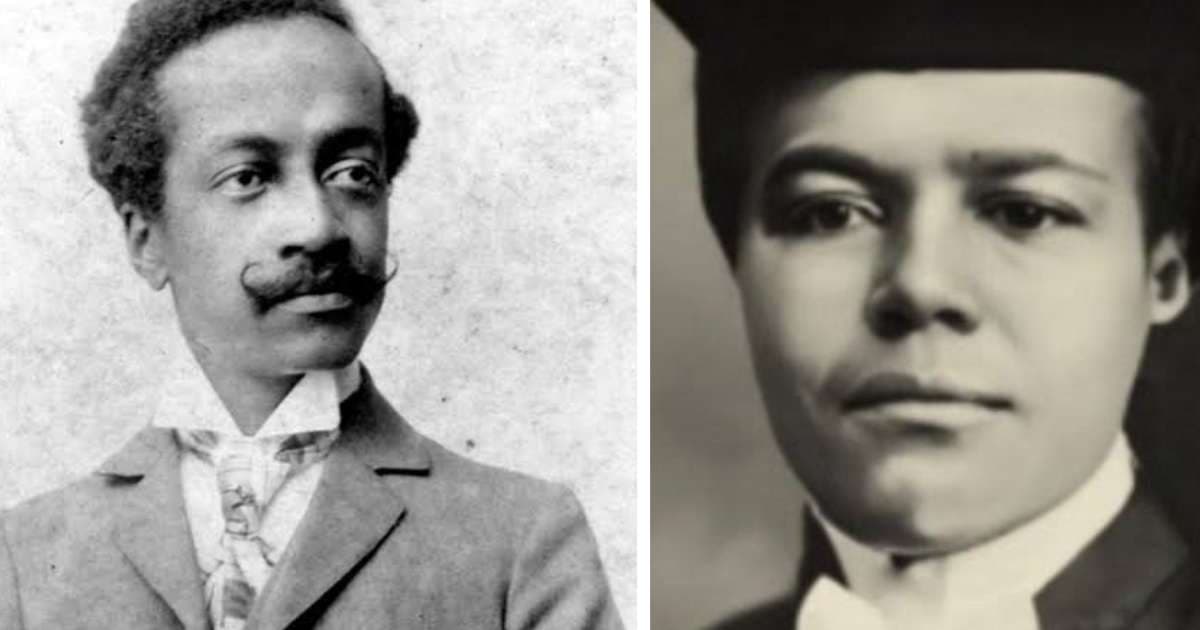
On November 20, Black Consciousness Day, the history of Brazilian medicine gains prominence with trajectories that have overcome barriers imposed by racism and prejudice. Among them, Juliano Moreira, a doctor from Bahia who, at a young age, became a reference in the treatment of people with mental disorders. At her side, Maria Odília Teixeira also left her mark by conquering space in a profession dominated by men.
Early Beginning in Medicine
In 1891, a young Bahian of only 18 years of age was earning his medical degree. Five years earlier, at the age of 13, he had entered the Faculty of Medicine of Bahia, in a Brazil where slavery was still legal. His name was Juliano Moreira.
Born in Salvador in 1873, he would become one of the great names of Brazilian medicine. The precocity of its formation drew attention in an age of deep social and racial inequalities. The source did not detail the exact circumstances of his early entrance into college, but the feat is remarkable in itself.
Juliano Moreira and Maria Odília Teixeira graduated from the Faculty of Medicine of Bahia, he in 1891 and she in 1909. The nearly two-decade gap between graduations reflects the additional barriers faced by women, especially black women, in accessing higher education.
Transformation in psychiatric care
In 1903, Juliano Moreira took over the direction of the National Hospital of Alienados, in Rio de Janeiro, and found a reality that needed to change. The institution, at the time, was marked by precarious conditions and inhumane treatments, such as chains and unhealthy cells. Moreira implemented reforms that prioritized humanized care and the dignity of patients.
He did not accept cruelty in the hospice and worked to transform the model of psychiatric care in the country. His actions included abolishing violent methods and promoting a more scientific and compassionate approach. The source did not detail the exact scope of its reforms, but the impact was recognized historically.
Juliano and Maria Odília followed different paths, but left important contributions in a time of great barriers. He helped transform care for people with mental disorders. She gained space in a profession in which women were still few.
Legacy of overcoming and recognition
Maria Odília Teixeira, graduated in 1909, faced not only the machismo of the time, but also the structural racism that limited opportunities for black women. His achievement of the medical degree was a milestone for inclusion and representativeness. The source did not detail his specialty or later professional trajectory, but his training is already a symbol of resistance.
On November 20, Black Consciousness Day, to know these stories is also to recognize part of the history of Brazilian medicine. They are trajectories that deserve to be remembered not only for the barriers that their protagonists faced, but for what they managed to build.
For the reader of Ponta Grossa and Campos Gerais, the story of Juliano Moreira and Maria Odília Teixeira echoes as an example of perseverance and contribution to the common good. Although there is no direct relationship with the region, the legacy of these professionals inspires reflections on equality and access to health throughout the country.
The Boca no Trombone Portal continues to follow health, education and diversity guidelines. For more content like this, browse our other reports and stay tuned for the stories that shape Brazil.
Read Also
Shoulder Pain Was Lymphoma: Young Reports Symptoms and Warning
Test with sponge in the esophagus detects cancer without endoscopy
Font
www.terra.com.br