Cat approaches but doesn't accept affection? Understand
Some cats approach humans but don't accept affection. This behavior, known as tactile barrier, is linked to socialization and the individual limits of the animal. Observing feline signals is essential to respect its space.

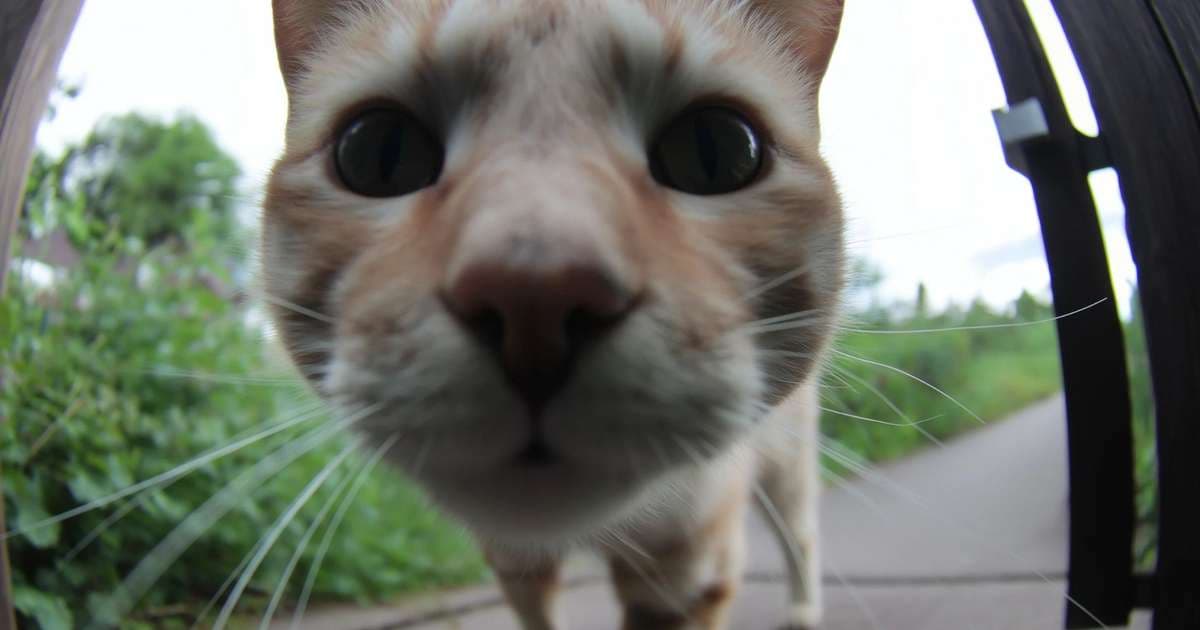
Those who live with cats know that the approach of the animal does not always mean an invitation to affection. Many felines come close, smell, observe, but retreat the moment the hand reaches out to caress them. This behavior, which can confuse tutors, is known as tactile barrier and is directly related to socialization and the individual limits of each cat.
According to experts, the feline can demonstrate confidence without necessarily wanting to be touched. Socialization helps explain this difference: observing the reaction of the animal before trying to caress it is a way to respect its limits. If he approaches, it may indicate confidence and curiosity, but not necessarily willingness to receive affection at that moment.
Socialization defines a relationship with humans
The process of socialization is decisive for the behavior of cats in relation to people. "Children learn to behave like cats by observing other cats and gaining practical experience. "Experience is also the only way cats learn to coexist comfortably with humans."
This learning occurs mainly in the first weeks of life. Cats that have had positive contact with humans during this period tend to be more receptive to touch. Those who have gone through negative experiences or lack of interaction may develop resistance to physical contact, even when they approach for other reasons.
Approximation levels vary between felines
Not all felines develop the same relationship with people. There are cats that completely avoid human approach, especially when they had little or no contact during the early stages of life. These animals often keep their distance and can hide in the presence of strangers.
Others may come close out of curiosity or in search of food, but still maintain resistance to touch. At an intermediate level, there are animals that accept some pets in certain situations, although they can quickly move away when they no longer feel comfortable. This variation shows that each cat has its own threshold for physical contact.
Respecting boundaries is essential
For tutors, the challenge is to interpret the animal's signals. Approaching is not an automatic invitation to affection; it can only be a way to investigate the environment or seek food. Observing body language — such as the position of the ears, tail, and pupils — helps to identify whether the cat is receptive to touch.
Forced contact can generate stress and even defensive reactions, such as scratches or bites. Therefore, the recommendation is to allow the cat to start and end the interaction, respecting its time and space. Patience is key to building a trusting relationship with felines that have a tactile barrier.
For those who live with an approaching cat, but do not accept affection, the ideal is to offer alternative interactions, such as wand games or snacks, without insisting on touch. Over time, some animals may become more tolerant, but others may never appreciate physical contact — and this should be respected.
Understanding feline behavior is the first step to a harmonious coexistence. By recognizing the limits of the animal, the tutor avoids frustrations and strengthens the bond, even if affection is not the main way to show affection.
Read Also
Dog recognizes owner before seeing him; understand
Font
www.terra.com.br