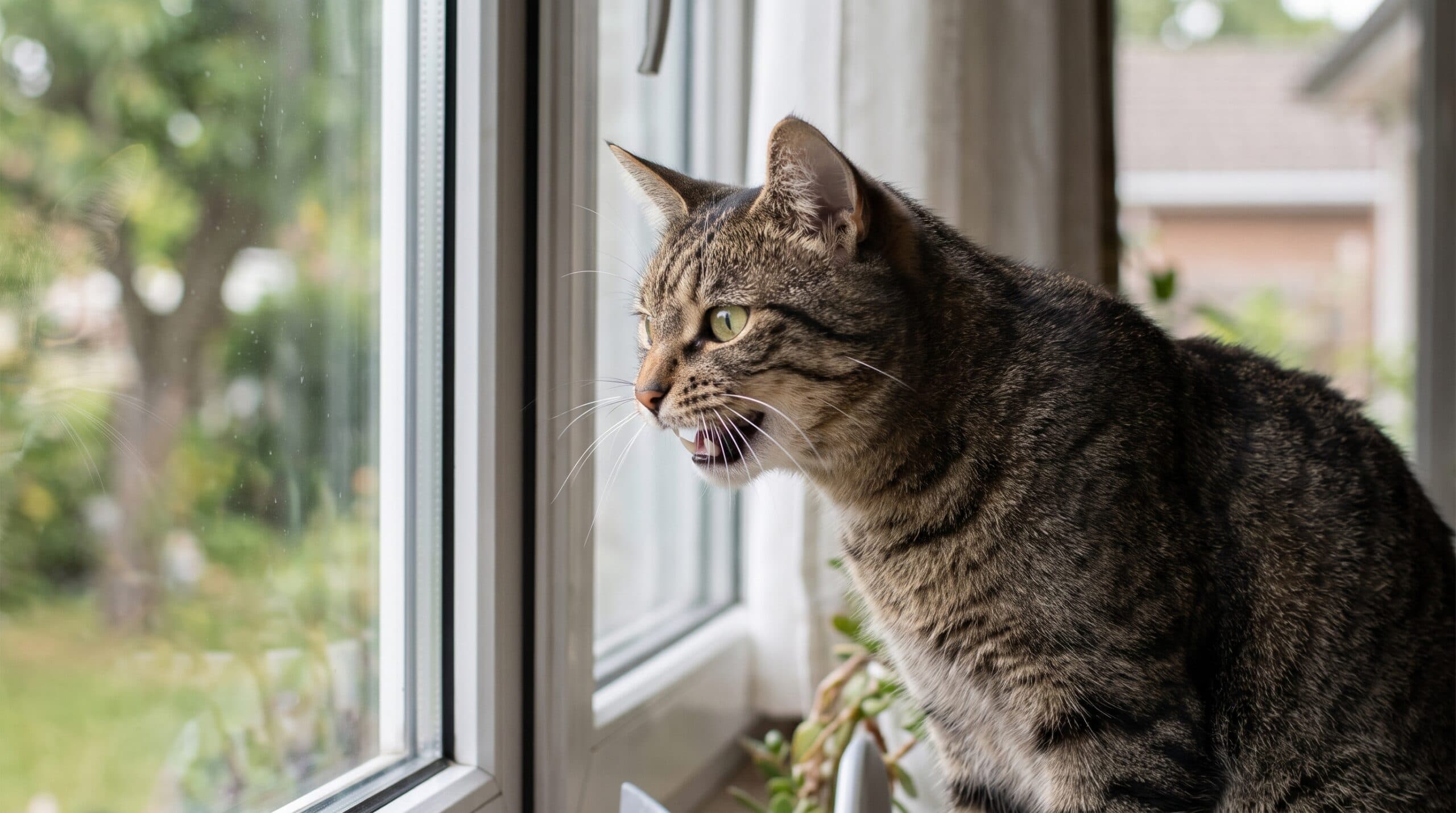
Cat Bites: What They Mean and How to React
Light cat bites can indicate affection, playfulness or discomfort. Experts explain how to interpret the behavior and act appropriately to maintain a healthy relationship with the feline.

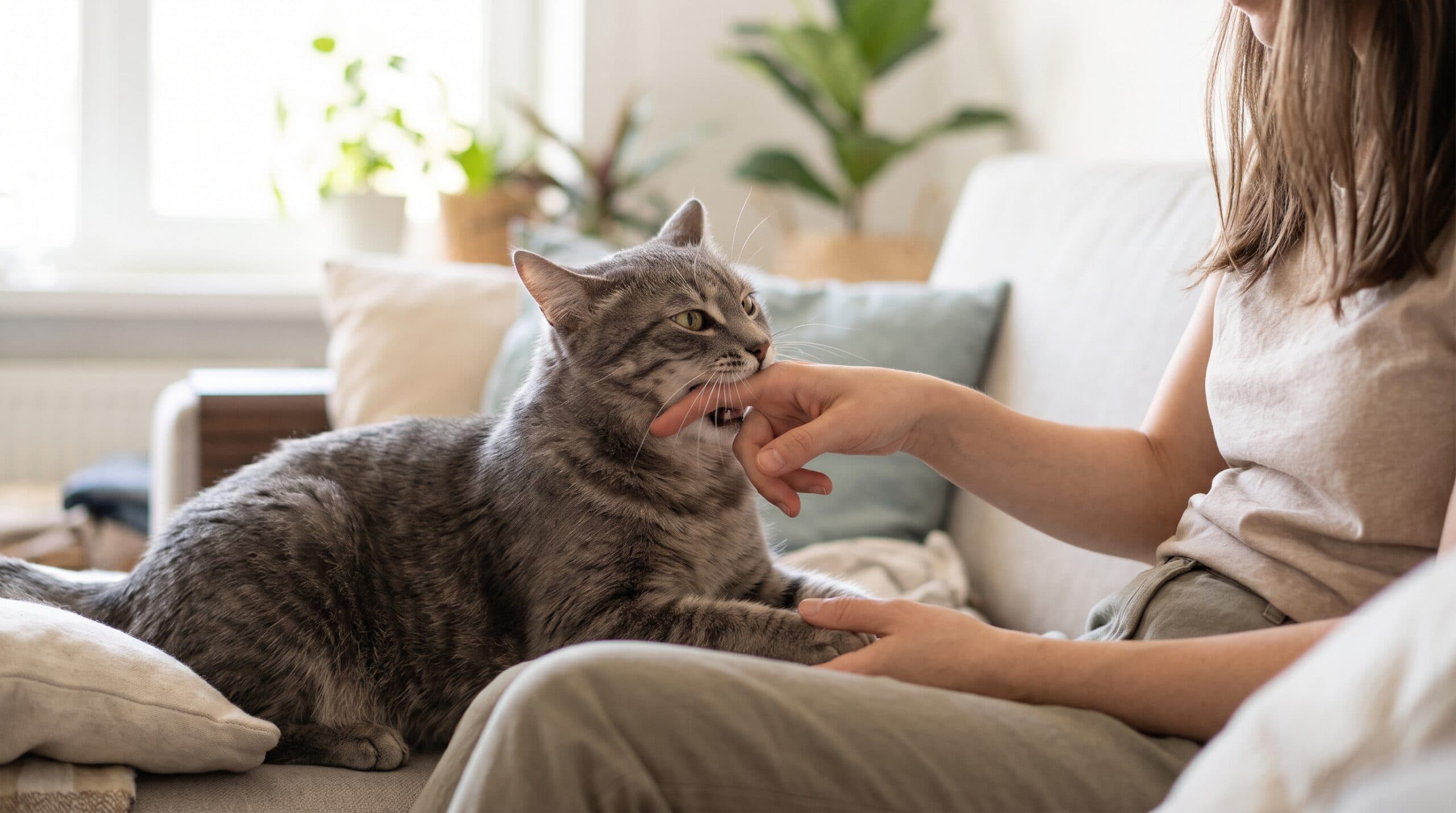
You're treating the cat, he's purring on your lap, and suddenly comes a light bite on your hand. You can be in doubt: was it affection, a joke or a message to stop? Cat bites can mean all three things, and what differentiates each is the context in which they appear.
Veterinarians and experts in feline behavior agree that these soft bites are part of the cat’s communication with its guardians. Understanding what is behind them helps to avoid misunderstandings, protect the bond and know the right time to continue the affection or give space.
Affection or Joke? The context decides
The feline ethologist Marta Sarasúa makes similar reading. According to her, it is a sign of trust and affection, because the cat is grooming us and sharing its smell with us. Gutiérrez points out that the combination of licking, purring and soft bites, with a relaxed body, is a sign of love.
The problem arises when the hand turns toy. If the cat learns that biting the fingers makes fun, it tends to repeat the behavior, and the strength may increase over time. It is worth paying attention to this pattern early on.
Bite in childhood: exploration and dentition
In kittens, biting is also a way of exploring the environment. As the veterinarian Juanjo explains, they discover many things by mouth, so the small bites arise in play and learning. In the tooth exchange phase, biting can still ease the discomfort.
In these cases, the bite has nothing to do with the tutor. It is curiosity and development, and the ideal is to offer suitable alternatives for chewing and hunting.
Signs that affection has passed the limit
To interpret the message, you have to look at the entire cat. Posture, tail movement, ear position and reaction to touch help to understand how he feels at that moment.
Paula Calvo points out some clues that may accompany overstimulation: attempt to move away during affection. If these signs appear while you pet the cat, reduce the intensity of the contact or take a break, especially if he tries to get out close.
How to react to bites on a daily basis
When the bite arises in the middle of the licking, the cat's body remains relaxed and he continues to seek contact, the interaction is probably pleasant and positive. A simple step-by-step for the day: stop for a moment and observe tail, ears and pupils. If the body is relaxed, take care of it gently. If there are signs of discomfort, stop the caress and let the cat decide if it wants to come back. If it’s a joke, exchange your hand for a toy that he can chase and bite.
Marta Sarasúa reinforces the importance of respecting the cat’s space: do not force physical contact if he seems to prefer to be alone. When he realizes that his signals are understood, he himself begins the approximations.
When to Seek Professional Help
Paula Calvo suggests respecting the rhythm of the animal and offering suitable toys to channel the energy. This helps especially when the bites appear in the joke or when he tries to grab his hands.
Mild bites are usually normal communication. But if the bites get stronger, hurt, come with snorts and buzzes, or suddenly appear in a cat that never did that, talk to a veterinarian. Pain and physical discomfort can alter behavior.
If the clinical examination does not point to anything, a feline behavior professional can help understand the pattern and adjust the routine of play and affection.
Read also
Does Shih tzu work? Look at the care the race requires
Font
www.portaldodog.com
ExpertAnimal (expertanimal.elperiodico.com)