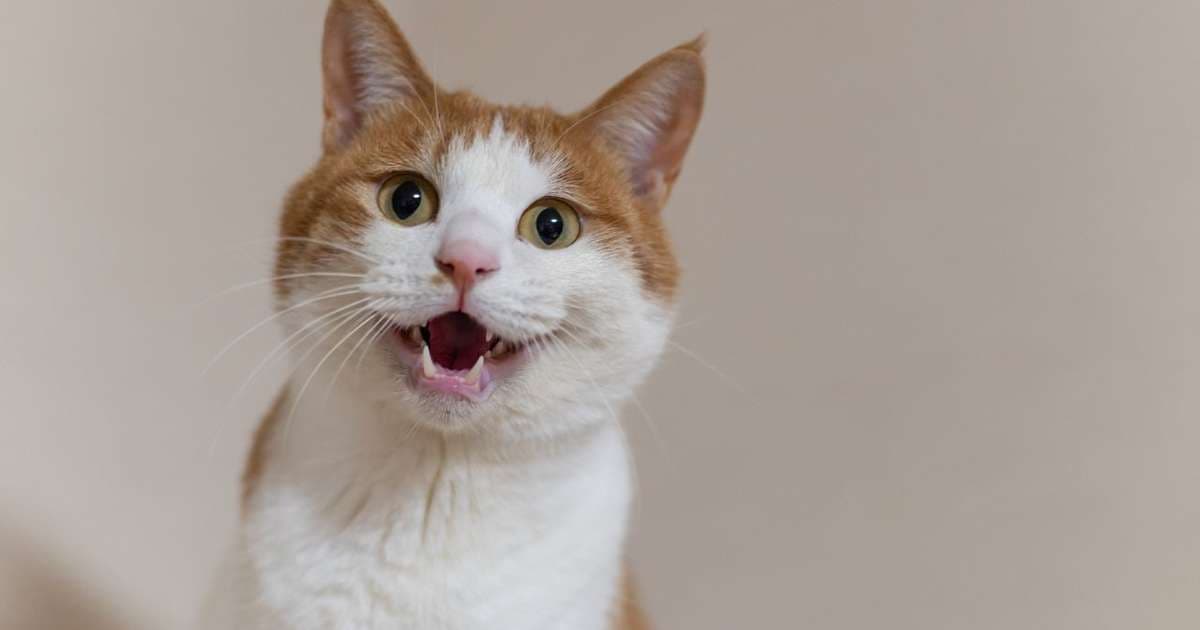
Cat biting teeth: why do cats do this
The act of biting teeth, known as chattering, is common in cats that watch prey through the window. Swedish scientists studied the vocalizations and discovered a complex repertoire. The behavior is linked to the hunting instinct, but its exact meaning still intrigues researchers.

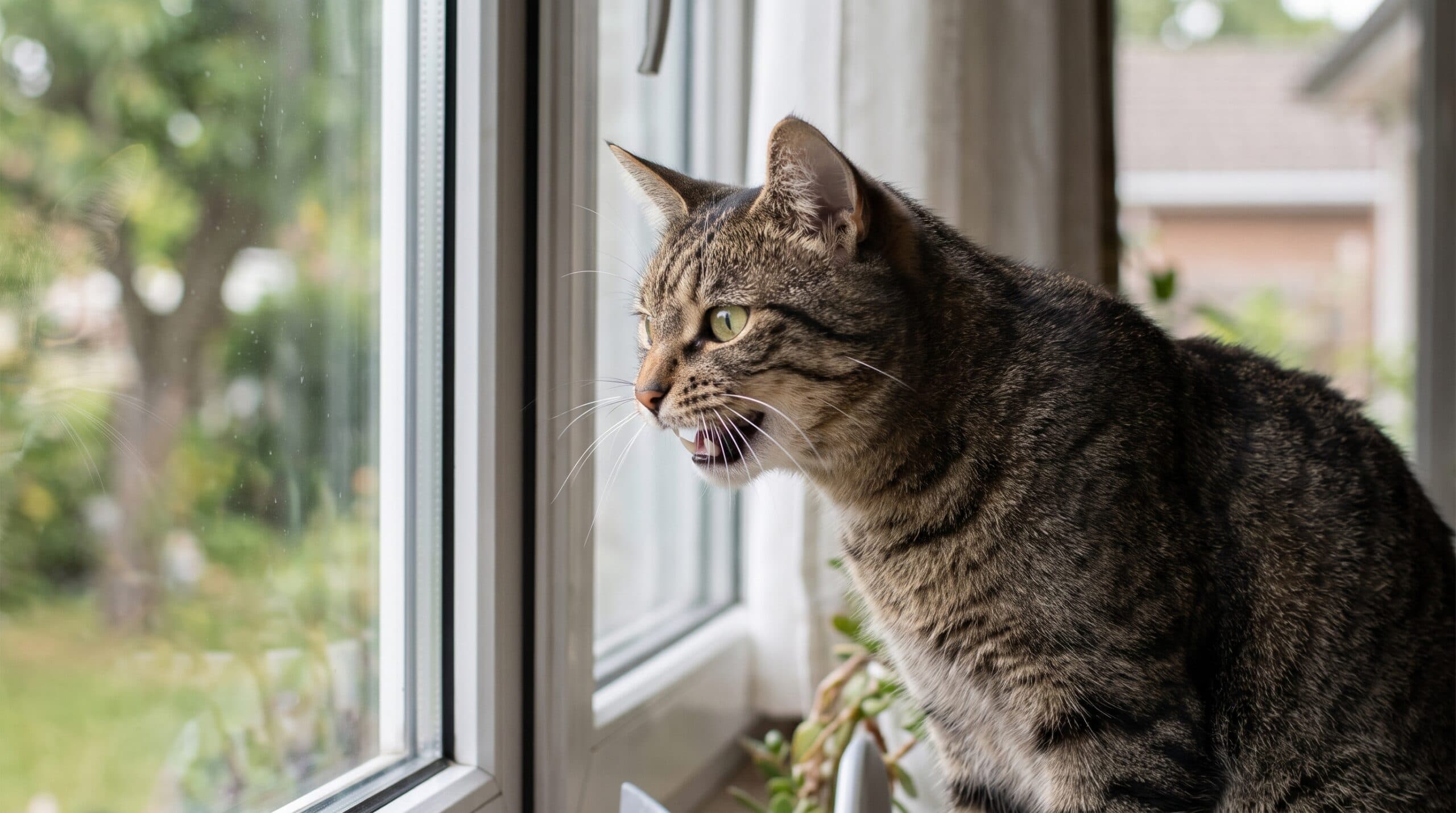
The cat is standing in front of the window, looking at a bird. Suddenly, he opens his mouth a little, moves his jaw quickly, and releases short, strange sounds. Those who have never seen a cat clapping their teeth in this way may be frightened, but those who live with felines usually recognize the scene.
The behavior has a name, appears in scientific research and is always linked to hunting. What scientists don’t know yet is why it happens. Next, understand what has already been discovered about this curious feline habit.
What is a toothbrush?
Tooth-cracking, technically called chattering, is an instinctive reaction that occurs when a cat spots a potential prey, such as a bird or rodent. This is why the window is the most common scenario. The cat sees the bird, wants to get to it, but the glass prevents it. To the tutor, the result is that little noise that seems to come out of nowhere.
This behavior is not exclusive to domestic cats. Wild cats also exhibit similar movements when hunting. The difference is that, at home, the physical barrier of the window intensifies the frustration and makes the sound more noticeable. The source did not detail whether there are differences between races or ages.
Swedish research analyzes vocalizations
Researchers at Lund University in Sweden analyzed 257 vocalizations produced by three cats while watching birds through the window. The goal was to better understand the sounds emitted in this context. The sounds were classified as chatter, chirp, tweet and tweedle.
Scientists have also found variations between both the types of vocalization and between the animals themselves, meaning that each cat has its own way of reacting. This suggests that the feline vocal repertoire is richer than previously thought. The study reinforces the complexity of cat communication.
Vocal repertoire goes beyond meow
What the tutor interprets as a simple “hunting noise” is part of a much more complex vocal repertoire. A scientific review of feline vocalization points out that up to 21 types of vocalizations have been described, and that the actual number is probably higher. Among them are purrs, snores, growls and the sounds associated with hunting.
It is known that chattering is strongly associated with interest in a possible prey and that there are different vocalizations in this context. The exact meaning of “tooth-shaking” remains partly open to investigation. Even a behavior observed every day inside the house still holds unanswered questions.
Hunting instinct and frustration
The gnashing of teeth is often interpreted as an expression of frustration. The cat sees the prey, but cannot reach it. This tension between the desire to hunt and the impossibility to act can manifest itself in the rapid movement of the jaw. Some experts believe that the sound mimics the fatal bite that the feline would give to the prey.
Another hypothesis is that chatting is a form of excitement or anticipation. The cat prepares for the attack, even if it never happens. The source did not detail which theory is most widely accepted today. What is known is that the behavior is harmless and does not indicate a health problem.
How to deal with behavior
For those who want to give the cat a way out of this instinct, playing with wands and toys that simulate prey help. These activities allow the feline to safely express its hunting behavior. In houses with open windows, protective screens are essential so that the urge to hunt does not end in a fall.
Offering daily play sessions also reduces stress and strengthens the bond between tutor and animal. The important thing is to respect the nature of the cat and provide adequate stimuli. Thus, the gnashing of teeth ceases to be a mystery and becomes just another feline peculiarity.
The post Cat banging her teeth: why does he do this? first appeared in Dog Portal - For those who love dogs!.
Read also
Animals with blue, green and violet blood
American Eskimo: Race enchants for beauty and intelligence
Font
www.portaldodog.com
Portal Pet On (portalpeton.com.br)