Animals with blue, green and purple blood
The coloration of blood varies among species and is linked to different biological adaptations. Octopuses and squids have blue blood due to hemocyanin, while the earthworm presents a purple liquid due to hemerythrin.

Red blood is a common feature among vertebrates, but it is not universal in the animal kingdom. Several species have circulatory fluids with colors such as blue, green, violet and even transparent, resulting from specific biological adaptations. The coloration of the blood varies between species and is linked to different biological adaptations, as indicated by studies in the area.
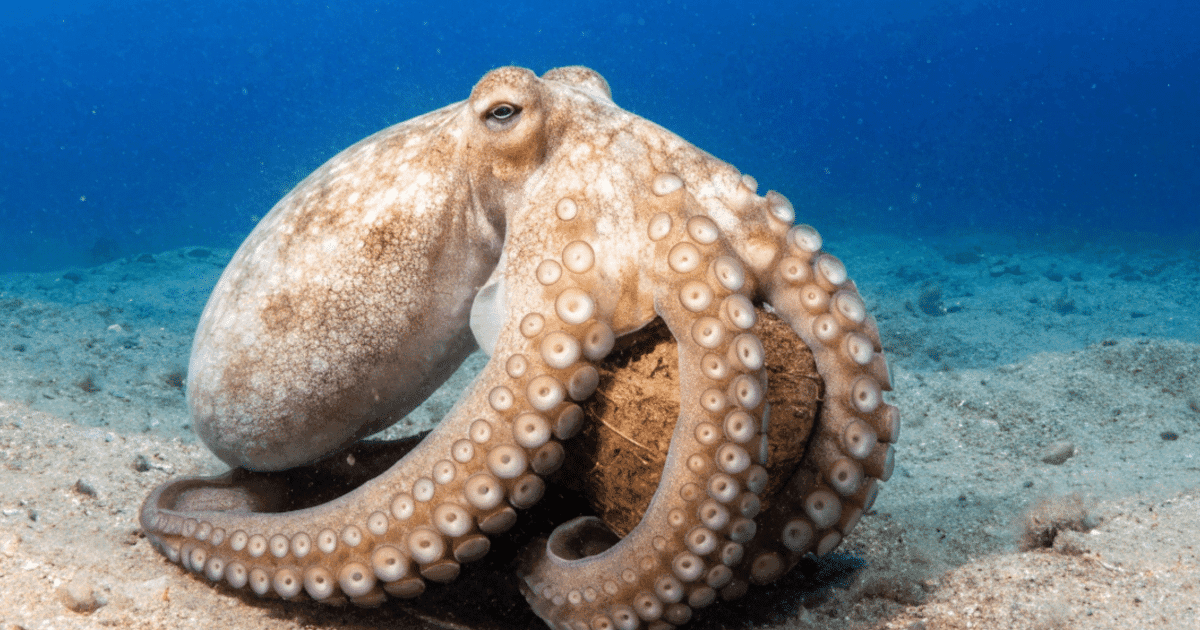
Among the best known examples are the octopus, the horseshoe crab and the squid, which have blue blood due to the presence of hemocyanin, a protein that contains copper and carries oxygen through the body. Peanut worms draw attention to the purple-toned circulatory fluid associated with hemerythrin, an iron-containing protein.
Powder: blue blood by hemocyanin
The octopus has blue blood because of hemocyanin, a protein that contains copper and carries oxygen through the body. When hemocyanin comes into contact with oxygen, it acquires that bluish hue, different from human hemoglobin, which contains iron and gives red color to the blood.
This adaptation allows the octopus to survive in environments with low oxygen concentrations, such as deep and cold waters. Hemocyanin is efficient in transporting oxygen under these conditions, ensuring the oxygenation of the animal's tissues.
In addition to octopus, other marine species also use hemocyanin, which explains the bluish coloration of their body fluids.
Crab horseshoe: blue blood and medical use
The horseshoe crab has blue blood, and its hemolymph is able to react to the presence of certain bacterial substances. Despite its name, the horseshoe crab is not a true crab, but a marine arthropod closer to the arachnids.
Your blood, also called hemolymph, is blue because of hemocyanin, a copper-rich protein that carries oxygen. In addition to unusual staining, hemolymph has cells capable of reacting to the presence of certain bacterial substances.
Therefore, components extracted from this liquid are used in safety tests of medicines and medical materials. This application makes the horseshoe crab a species of great importance for the pharmaceutical and biomedical industry.
Lula: blue for hemocyanine
The squid has blue blood because hemocyanin, when in contact with oxygen, acquires this hue. As in octopus, protein with copper is responsible for the transport of oxygen in the animal's body.
This characteristic is common among cephalopods, a group that includes octopuses, squid and cuttlefish. Hemocyanin circulates freely in the plasma, unlike hemoglobin, which is inside the red cells in vertebrates.
The bluish coloration of the blood of these animals is a clear example of how evolution has found different solutions for the same vital function: to bring oxygen to the cells.
Peanutworm: violet by hemerythrin
Peanutworm has a purple-toned circulatory fluid due to hemerythrin, a protein that contains iron. Unlike hemocyanin, which contains copper, hemerythrin uses iron to bind to oxygen, but the resulting color is violet when oxygenated.
This protein is found in some marine invertebrates and can be colorless when deoxygenated, becoming violet by binding to oxygen. The peanut worm is an example of how the diversity of respiratory pigments reflects the variety of environments and lifestyles on the planet.
The presence of different oxygen transporting proteins shows that the color of the blood is not an indicative of evolutionary complexity, but rather of adaptation to the environment.
Why does the color of blood vary?
The coloration of the blood varies between species and is linked to different biological adaptations. While hemoglobin, with iron, gives red color to human blood, hemocyanin, with copper, results in blue, and hemerythrin, also with iron, can generate violet tones.
These proteins have different affinities for oxygen and work best under specific conditions of temperature, salinity and pressure. Animals living in extreme environments, such as ocean trenches or icy waters, often rely on alternative pigments to survive.
Understanding these variations helps scientists study the evolution of life and can inspire new technologies such as biological sensors and medical materials.
To keep following curiosities about the animal world and other news, follow the Boca no Trombone portal and stay up to date with the news of the region and Brazil.
Read also
American Eskimo: Race enchants for beauty and intelligence
Font
www.terra.com.br