Fear of the Veterinarian: How to Ensure Pets' Well-being
The fear of the veterinarian is common among dogs and cats, but can be eased with appropriate environments and attentive care. Experts highlight the importance of unhurried consultations, separation of species and transparent communication with the pet owners.

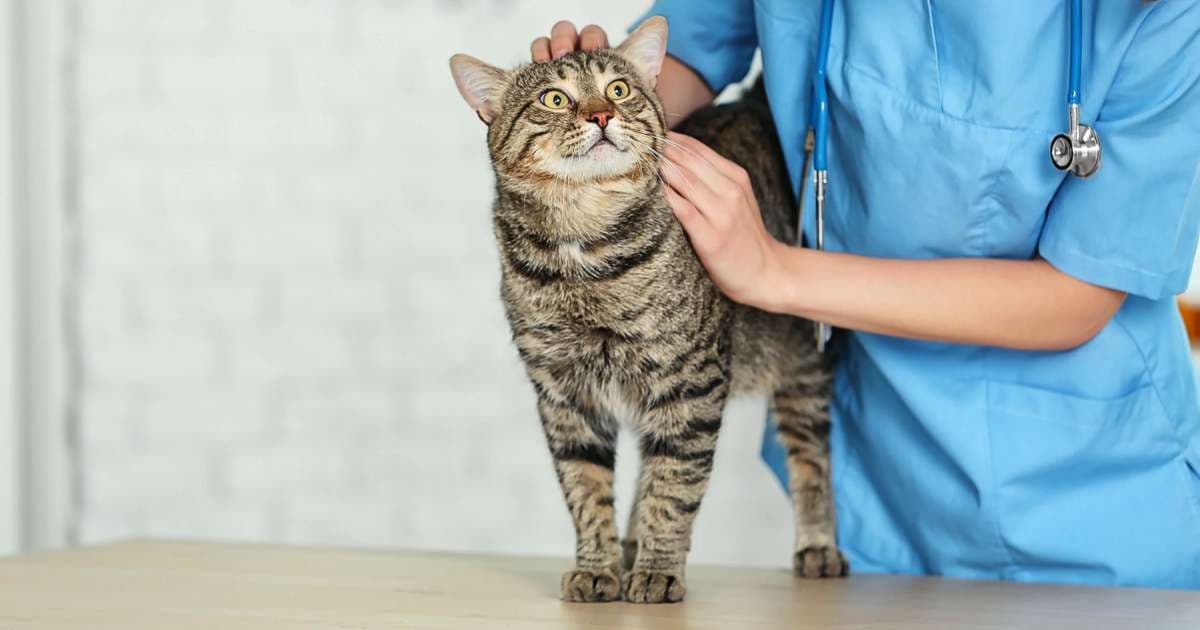
The fear of the veterinarian is a reality for many dogs and cats, but it can be reduced with simple practices adopted by clinics and tutors. Experts heard by the IG portal point out that welcoming environments, unhurried consultations and individualized attention are fundamental to ensure the well-being of pets during care.
Dealing with the fear of the veterinarian requires redoubled attention to the space and sensitivity of those who welcome dogs and cats. Unknown environments, strange smells and the presence of other animals usually arouse insecurity upon arrival. In addition to the technical training of the team, it is worth observing how the site reduces noise, respects each temperament and identifies subtle signs of pain or discomfort.
Physical organization is the first host filter
The professional gave some advice for you to keep an eye on. For example, the physical organization functions as the first host filter. So, separating dogs and felines avoids eye and sound contact, which triggers unnecessary alerts between animals with such distinct reactions.
This separation is essential because dogs and cats react in different ways to stress. While dogs can vocalize or shake, cats tend to hide or remain motionless. Therefore, an environment that minimizes these stimuli contributes to a less traumatic experience.
https://www.youtube.com/watch?v=3c8s8peD3iU
Video: YouTube | Source: www.terra.com.br
Unhurried consultations foster confidence
Veterinarian Mary Otsuka explained to the same vehicle that consultations with at least an hour help to gain confidence before examining: "A bad experience can make him arrive much more frightened at the next appointment." Transparency with the family completes this care, clarifying steps taken and guidelines after discharge.
Consultations without haste promote confidence and overcome the fear of the veterinarian. This allows the animal to become familiar with the professional and the environment before any procedure. In addition, clear communication with the tutor avoids misunderstandings and reinforces the safety of the treatment.
Individualized look during clinical examination
In addition, the individualized look makes all the difference during the clinical examination. That is, instead of following a rigid roadmap, professionals should consider the history, rhythm and limits of each animal, recording any indication of pain or tension. Containment, when indispensable, requires delicacy not to enlarge traumas.
This personalized approach recognizes that each animal has specific needs. An elderly dog, for example, may need more breaks, while a frightened cat may benefit from a softer touch. Careful recording of signs of discomfort helps adjust handling in future consultations.
Well-being involves five essential dimensions
Fair4Them CEO Flávia Fontes said well-being involves five essential dimensions: nutrition, environment, health, behavior and mental state. According to the executive, during an internment, the person in charge seeks to know if the pet will be comfortable and will have its particularities welcomed, a role supported by certifications with objective criteria.
These dimensions serve as a guide to evaluate the quality of care. A clinic that cares about all these aspects demonstrates a commitment to the integral care of the animal. The certifications mentioned can help tutors identify establishments that follow strict standards.
Questions that bring security before the choice
Before defining the place of care, talking about the routine brings extra security to the decision. It is worth questioning whether there are spaces separated by species, how the team monitors signs of distress and what adaptations exist for more sensitive pets. Finally, it is also worth asking how the newsletters work during an eventual hospitalization and what care they follow at home after the return.
These questions help to align expectations and choose a service that really prioritizes the welfare of the animal. Transparency in responses is an indication of professionalism and empathy. With proper information, tutors can make more conscious decisions and reduce the stress of their peers.
For the readers of the Boca no Trombone, it is an invitation to share experiences and always seek professionals who treat pets with the respect they deserve. Follow our portal for more content on saúde e bem-estar animal.
Read Also
Desert animals: 12 species and how they survive
Live: experts highlight the importance of safety at work
Font
www.terra.com.br