Chamber approves two ultrasound morphological exams for pregnant women through SUS
Proposal aims to expand prenatal monitoring in the public health network and moves to analysis by the Federal Senate

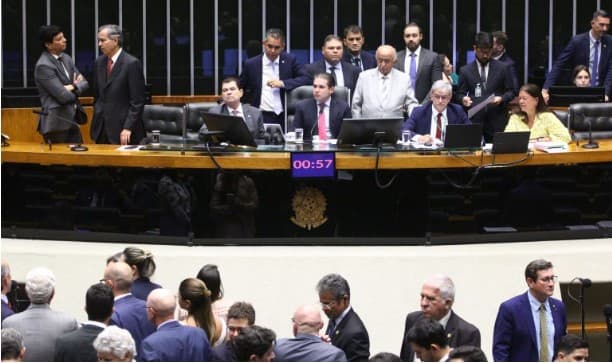
The Chamber of Deputies has approved a bill that provides for at least two morphological ultrasound examinations during pregnancy by the Unified Health System (SUS). The proposal aims to extend prenatal follow-up and contribute to the early identification of possible changes in the development of the baby.
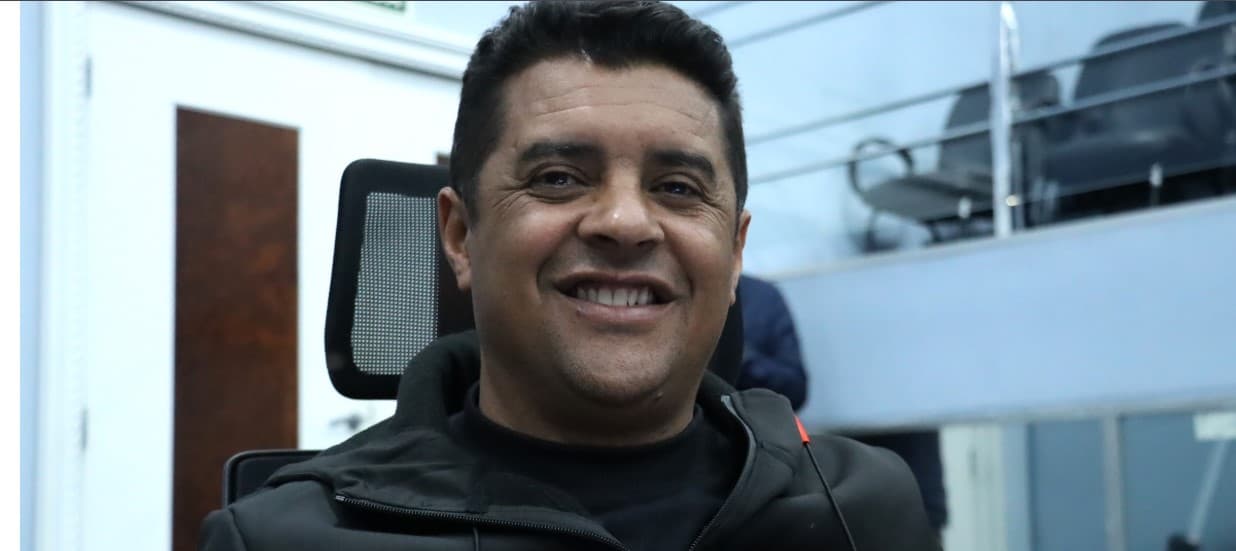
The Bill 4674/24, authored by the federal deputy Beto Preto (PSD-PR), was approved with amendments presented by Laura Carneiro (PSD-RJ), rapporteur of the proposal.
With the approval in the House, the text now goes for analysis by the Federal Senate. The measure is not yet in force, as it depends on the completion of the legislative process.
Exams help monitor the development of the baby
The morphological ultrasound is an imaging examination used during pregnancy to evaluate the formation and development of the structures and organs of the fetus.
The performance of these tests allows the identification of possible anatomical changes and assists health professionals in the definition of specific care and follow-up during pregnancy.
In addition to including the two examinations in the protocol of assistance to pregnant women of the SUS, the project authorizes the public authority to promote information campaigns and offer guidance on the importance of the procedures provided for prenatal follow-up.
What changes in legislation?
The proposal amends Law No. 14.598/2023, which already establishes the offer of certain examinations during pregnancy in the public health network, observed the budgetary availability.
The legislation provides for the fetal echocardiography during prenatal and at least two transvaginal ultrasound examinations in the first quarter of pregnancy.
With the new proposal, morphological ultrasound expressly integrates the set of examinations provided for in the legislation, expanding the possibilities of evaluation of fetal health.
The project still needs to pass through the Senate.
Despite the approval by federal deputies, the proposal still needs to be analyzed by senators before proceeding to eventual presidential sanction.
If it is made into law, the measure could represent an advance in access to gestational follow-up examinations in the public network, especially for women who depend exclusively on the SUS to perform prenatal care.
Vila Velha Elevator is 92% ready and should be back in service after more than 20 years