Dog Dreams? See What Science Says
Canine movements during sleep intrigue owners. Science suggests dogs likely dream, but it's still unclear what their dreams contain. Understand the stages of sleep and when to seek a veterinarian.

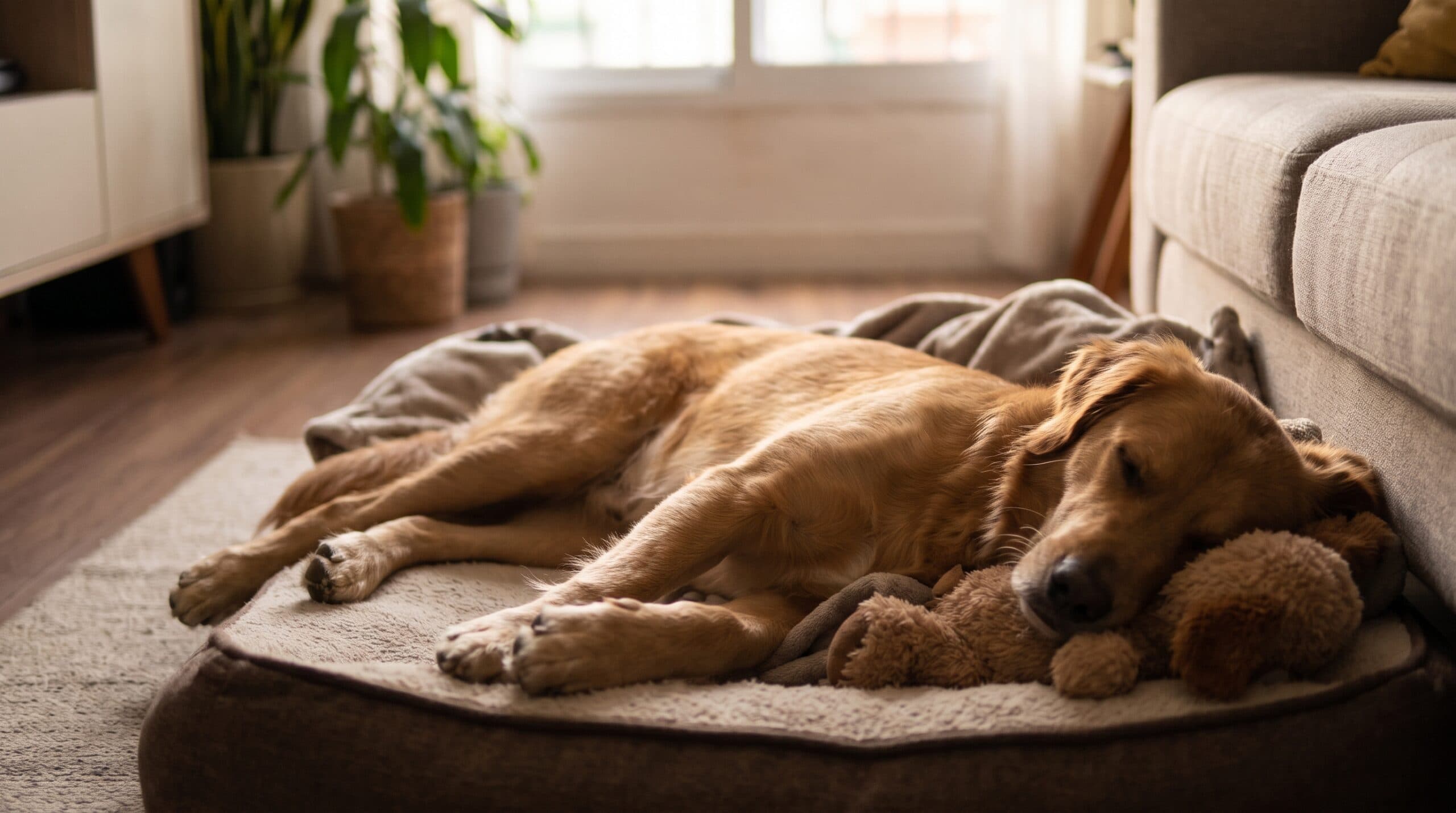
Running legs in the air, low bark, trembling muzzle. Whoever lives with a dog has seen this scene and probably wondered: the dog dreams? The most likely answer is yes, although science still can’t tell what goes through his head while he sleeps.
Understanding what happens during sleep helps to interpret these movements and to know when it is best to let the dog rest. The Boca no Trombone Portal spoke to experts and gathered what science has already discovered about canine sleep.
REM phase indicates probable dreams
Dogs go through different stages of sleep, including the REM phase, characterized by rapid eye movements. In human beings, it is in it that the most vivid dreams occur. Research on the brains of mammals indicates that dogs also exhibit this phase.
At this stage, brain activity has patterns compatible with the processing of experiences and memories. That’s why researchers consider it likely that the dog will dream. The similarity to human sleep reinforces this hypothesis, but there is no definitive confirmation yet.
Memories of the day may reappear
Studies with other mammals, mainly rodents, have shown that neural activity sequences recorded with the waking animal may reappear during sleep. This supports the hypothesis that the animals revisit what they lived throughout the day.
In the case of dogs, games, walks, meetings with other animals and moments with tutors can be part of this repertoire. But it is a hypothesis, not a certainty: today there is no scientific way to confirm what images or experiences the dog experiences while sleeping.
Do you dream of tutors? It's still a mystery
Science still cannot say. Because social relationships and routine have a great weight in the dog’s life, the idea is plausible and continues to arouse the interest of researchers. The source did not detail specific studies on this topic.
While new research does not emerge, guardians continue to observe the signals that dogs emit during sleep. Some behaviors are common and often associated with dreams:
Legs moving, as if he was running;
Low barking, moaning or other small sounds;
Eyes moving rapidly under the eyelids.
These signs indicate that the dog is sleeping, but do not reveal the contents of a specific dream. The movements of the paws and the vocalizations do not allow us to know what he is experiencing.
Should I wake the dog? Generally not
Most of the time, no. Sleep participates in essential processes for the body, such as the consolidation of memories and physical recovery. If the dog sleeps peacefully and only makes small involuntary movements, the general guidance is to avoid waking him up unnecessarily.
When you need to wake him, call him in a soft voice. Avoid touching it suddenly, because unexpected physical contact can scare you. The ideal is to act calmly and patiently, respecting the moment of rest of the animal.
When the movements indicate problem
The movements of a dream are usually short and light. If your dog becomes stiff, salivates excessively, does not respond when called, or has frequent episodes, the picture may be another, such as a seizure. In this case, it is worth registering a video and looking for a veterinarian.
Professional follow-up is essential to differentiate a common dream from a neurological condition. The Boca no Trombone Portal recommends that guardians be aware of any change in the animal's sleep pattern.
Do you have a dog dream? Understand what happens when he sleeps first appeared in Dog Portal - For those who love dogs!.
Read Also
Black cat: coat color does not define behavior
Christmas shopping can yield new car on Ponta Grossa; learn how to compete
Font
www.portaldodog.com
Portal Pet On (portalpeton.com.br)