Dollar should continue to rise until Lula names a strong candidate
The president Lula was warned by his team that the dollar may continue to be pressured even with the approval of the fiscal adjustment in the Chamber. The scenario should remain until he names a strong candidate for Finance or announces deeper fiscal measures. Allies fear that the American currency may approach R$ 6, pressuring inflation and complicating economic management.

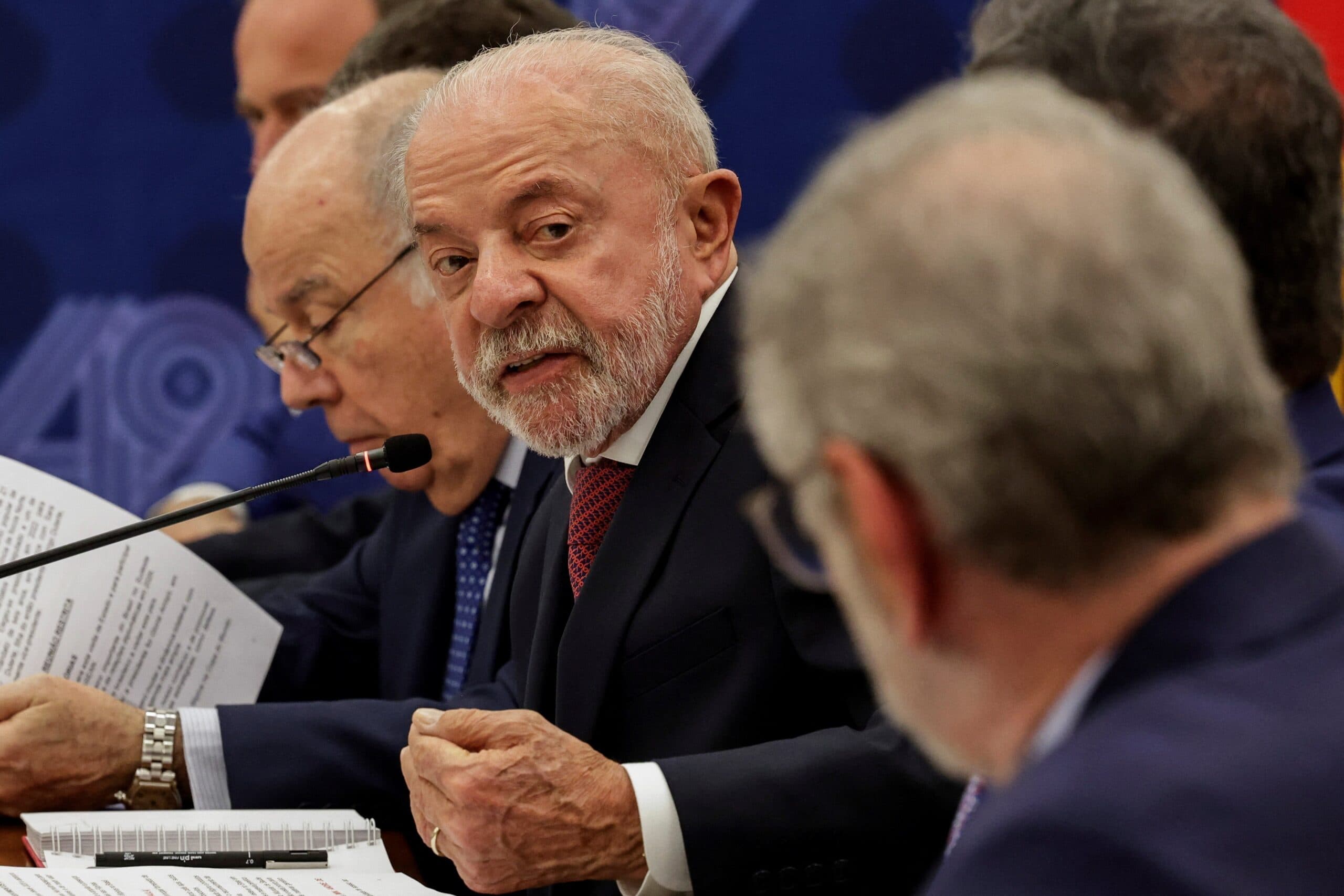
President Lula has already been warned by his team that, even with the possibility of final approval of the tax adjustment in the Chamber of Deputies on Monday, the dollar may continue to be pressured. The warning reflects the market’s concern with the trajectory of the dívida pública and the lack of definition about the command of the economy. The U.S. currency is expected to remain upwards until the petista announces a strong name for the Finance Ministry or deeper tax measures.
This framework should remain until the petista defines a "strong" name for the Ministry of Finance or at least announces deeper fiscal measures, with the ability to stabilize the growth of dívida pública and reduce it already in the last year of his fourth term. The uncertainty has generated uncertainty among investors, who seek clear signs of commitment to the balance of public accounts.
Dollar risk at R$ 6 worries
The risk, warn allies of the petista, is that, in this case, the dollar can approach R$ 6, pressuring an inflation that can reach nearly 6%, making the administration of economic policy in its fourth term much more difficult. The rise of the American currency increases the price of imported products and directly impacts the cost of living of the population. In addition, high inflation may force the Banco Central to keep interest rates at high levels for longer.
Last week, Lula gave new signals that he will not follow the time of the market and will make his decisions in the economic team in its time. The posture, however, increases the apprehension of financial agents, who prefer quick settings to reduce volatility. The impasse between the political rhythm and the demands of the market is one of the main sources of tension in the current economic scenario.
Market finances dívida pública
Lula has said he will have fiscal responsibility, but that he will not be held hostage by the market. The problem is that the market is funding dívida pública. Without the confidence of investors, the government finds it difficult to roll its bonds and raise resources at reasonable costs. The presidential statement, while reinforcing a commitment to fiscal responsibility, does not remove the fear that debt will continue to grow at an unsustainable pace.
If the resources applied there migrate to investments outside the country at an accelerated pace and intensity, the dollar will rise even higher. Capital flight is a real risk when there is perception of fiscal fragility. In this scenario, the exchange rate pressure intensifies, feeding a negative cycle for the Brazilian economy.
Pessimistic scenario for 2026
The scenario would be bad for next year, with inflation rising, interest rates at a minimum of 13.75% a year and the economy slowing to the home of 1% of GDP or even less. This would combine economic stagnation with high credit costs, affecting businesses and consumers. The projection, although not official, reflects the fear of part of the market in the current fiscal trajectory.
In this case, Lula will be forced to make a stronger fiscal adjustment than he would like, at the risk of having a perfect storm in the economy ahead. The term "perfect storm" summarizes the convergence of adverse factors: high inflation, high interest rates, low growth and pressured exchange rates. Avoiding this outcome requires preventive actions and clear signals.
Councillors ask for definition in November
Therefore, councillors have advocated that he defines his finance minister in November, with the mission of proposing tax measures to reduce the growth of compulsory spending. The early choice would allow the new holder to present a credible plan of spending containment, calming the markets. The delay in definition, on the other hand, prolongs the uncertainty and can aggravate the pressure on the exchange rate.
The market has warned that its dívida pública scenario does not match that of the government. The dívida pública in September reached 82.9% of GDP. At the end of the year, it could hit 83.5% of GDP. The divergence in the projections is a central point of mistrust, as it indicates that the government’s premises may be too optimistic.
Divergent projections for debt
For Lula’s team, in 2030 the debt would stabilize and begin to fall the following year. In the accounts of market economists, it would continue to rise, scaring investors who apply their resources in Brazil. The trajectory difference is significant and directly influences capital allocation decisions. While the government bets on revenue growth and gradual control of expenditures, the market demands more immediate adjustments.
In the face of this impasse, the dollar is expected to remain volatile in the coming weeks. The definition of the new finance minister or the announcement of robust tax measures are seen as the main triggers to calm the market. Until then, the US currency should continue to reflect uncertainty about the course of Brazilian economic policy.
Read Also
House votes tax adjustment this Monday; economy can reach R $ 50 billion
Dollar opens up this Monday quoted at R $ 5.98
Moro announces new PM commanders, Civil Police, Firefighters and Casa Militar
Font
g1.globo.com