Gilmar Mendes cites Master case and demands self-restraint from STF
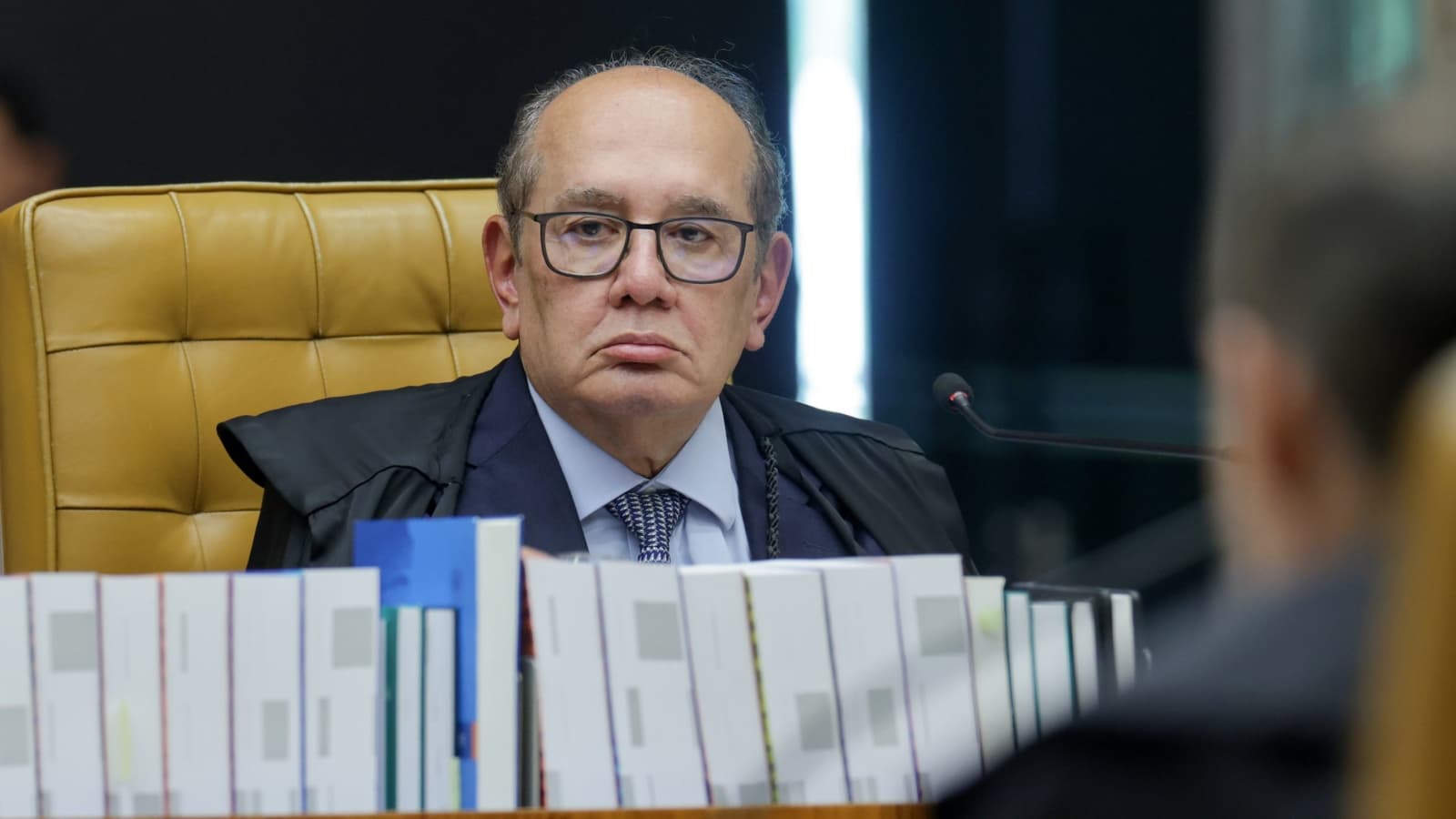
The minister Gilmar Mendes stated that the STF is one of the most powerful courts in the world, but acknowledged the lack of self-restraint from the Court. In his remarks, he cited the Master case and the polarized reactions from society, including attacks from supporters of former president Jair Bolsonaro.


Minister Gilmar Mendes of Supremo Tribunal Federal (STF) made strong statements about the role of the Court and the need for self-restraint. In a recent event, he acknowledged the power of the court, but admitted that the expansive performance has generated intense reactions in society. The speeches were recorded in a context of debate about the limits of the Judiciary and the political polarization in the country.
During his speech, Gilmar Mendes highlighted the uniqueness of STF on the global stage. “Maybe it’s one of the most powerful courts in the world. Perhaps we have become too important, even because the way to trigger the court is so open that at every moment it is called to intervene. Perhaps there is no self-containment,” the minister said. The statement points to an acknowledgment that the court is frequently called upon and that this can extend its reach beyond what is desirable.
Unprecedented power and lack of brakes
The minister’s speech echoes an old debate about judicial activism. By admitting that “there may not be self-containment,” Gilmar Mendes signals that the Court may be extrapolating the traditional limits of its action. The facilitated access to the court, mentioned by him, is a factor that contributes to this dynamic. Any citizen, party or entity can bring lawsuits to the STF, which turns it into an arena of political and social disputes.
This scenario, according to the minister, has direct consequences. The high exposure of the court puts him at the center of controversy and makes him a target of criticism. The lack of internal brakes, or self-containment, can intensify the perception that the STF interferes with issues that would fit other powers. The statement of Gilmar Mendes is therefore not only a finding, but an alert to the risks of this trajectory.
Reactions of Bolsonaro supporters
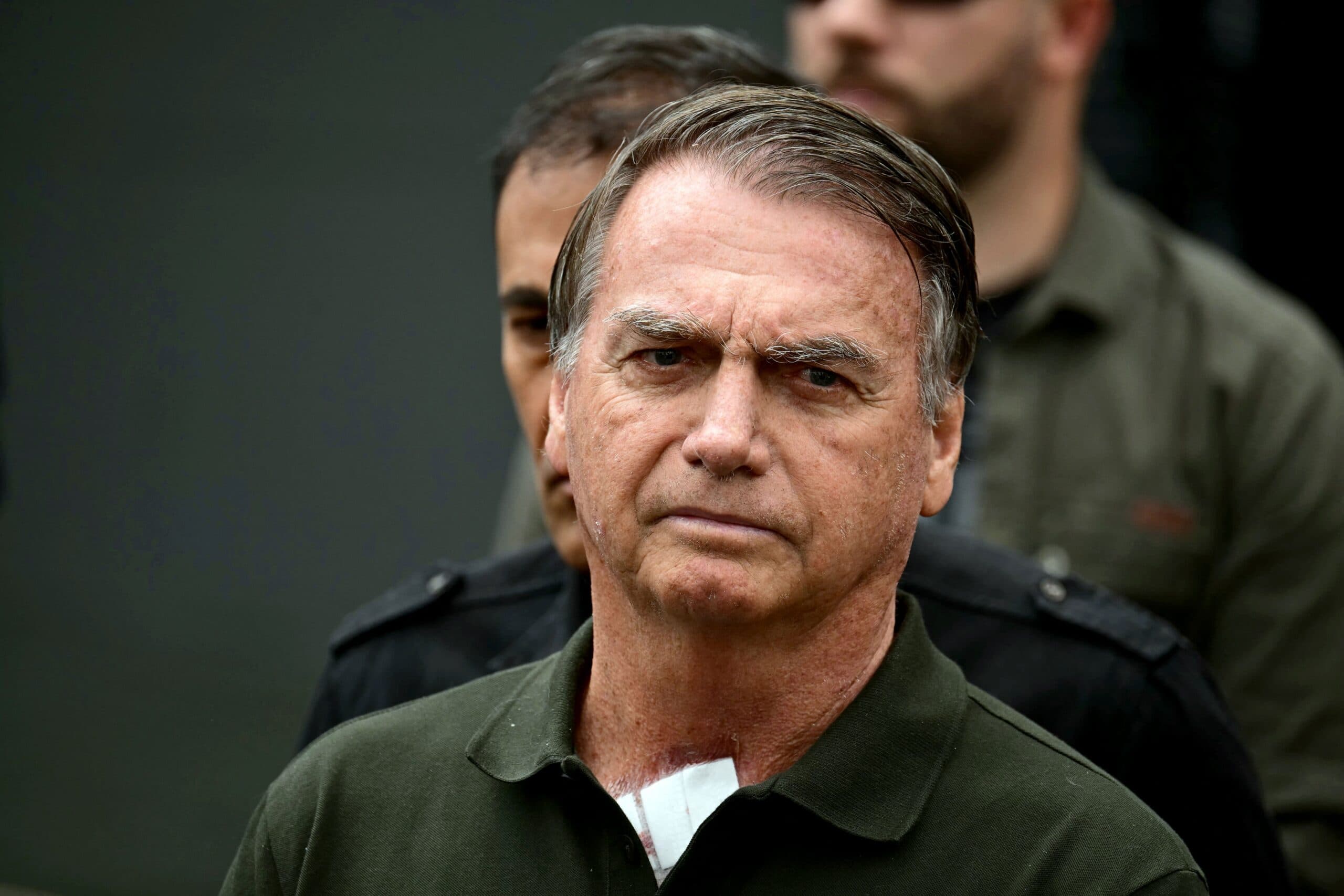
The minister also addressed the reactions of supporters of the former president Jair Bolsonaro to the decisions of STF. According to Gilmar, these reactions translated into demonstrations calling for changes in the Court and criticism directed at ministers. The climate of hostility marked a period of tension between the Executive and the Judiciary, with public attacks and attempts to delegitimize the court.
“It was said that the Supremo Tribunal Federal had to be reformed. There was a motto on the streets: “The Supreme is not the people.” We received several attacks from Bolsonaro against the court,” he said. The quote reveals the tone of the clashes of the time, in which the STF was the target of political and social pressures. The phrase “The Supreme is not the people” synthesizes the dissatisfaction of part of the population with decisions considered distant from the popular will.
These demonstrations, however, were not unanimous. The minister acknowledged that the action of STF provoked distinct reactions in Brazilian society. "This has caused applause on the one hand, but also unrest in a very divided and very polarized country," he said. Polarization, he says, is a factor that amplifies tensions around court decisions.
The Master case and its controversies
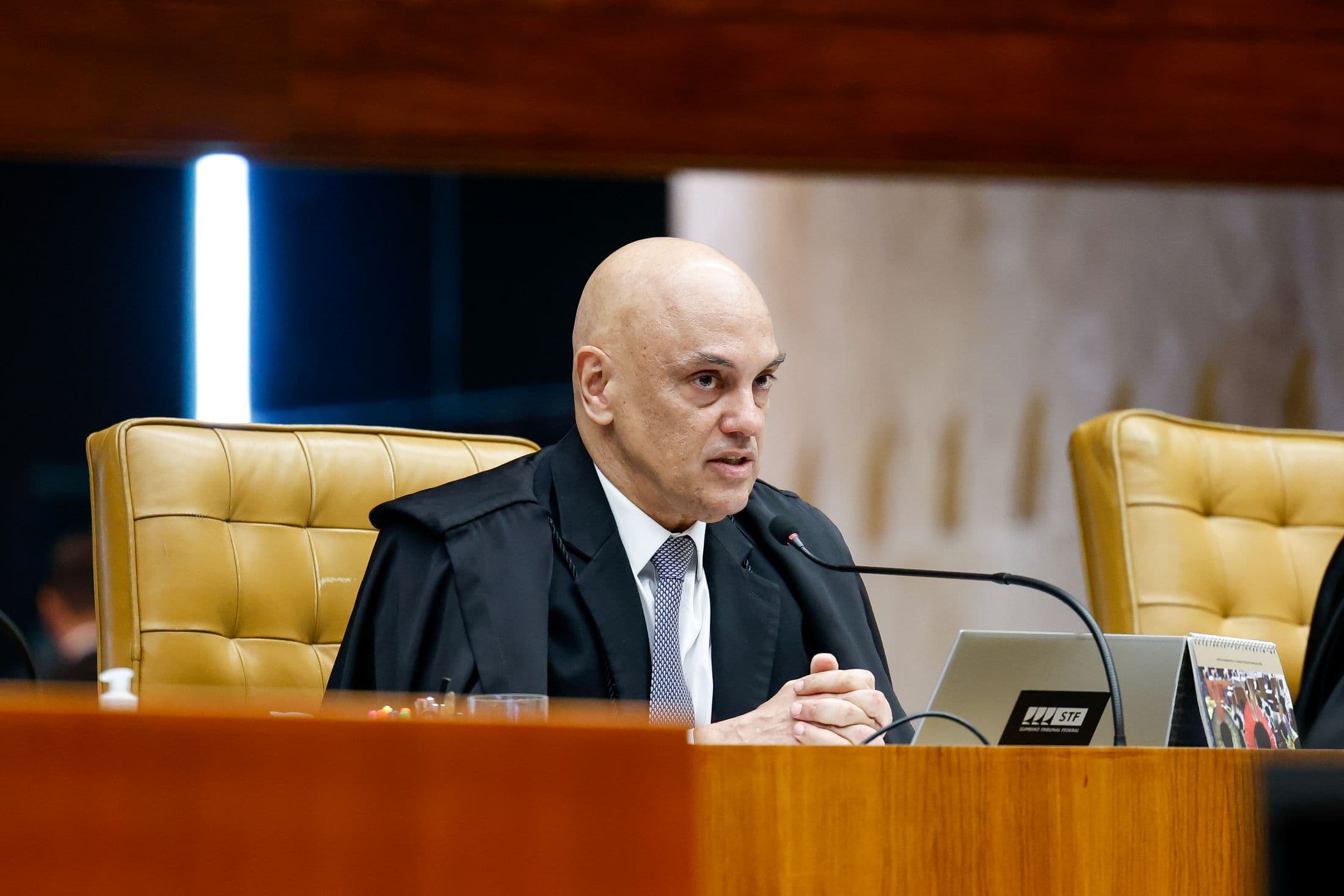
Gilmar Mendes also commented on the so-called Master case, which involves questions about possible benefits to ministers. The case gained repercussions after allegations emerged that some members of the Court could have been favored. The minister specifically mentioned a contract involving the wife of minister Alexandre de Moraes.
“There are problems because it is pointed out that some ministers could have benefited. There is even talk of a contract of the wife of Alexandre de Moraes. In short, it becomes a big issue,” he said of the case. The statement indicates that the matter has sparked debate and raised suspicions about the conduct of court members. The minister did not detail the terms of the contract or confirm irregularities, but acknowledged that the issue has gained significant proportions.
The Master case illustrates how issues involving the STF quickly turn into national controversies. The mere mention of possible conflicts of interest is sufficient to fuel public debate and increase pressure on the Court. The speech of Gilmar Mendes, in bringing the subject to the fore, reinforces the need for transparency and mechanisms that avoid ethical questions.
Self-containment as a path
Faced with this scenario, self-containment appears as a possible response. In acknowledging her absence, Gilmar Mendes suggests that the court needs to rethink its action. Reducing activism and setting clearer boundaries could ease tensions and restore confidence in the institution. However, the minister did not present concrete proposals, merely pointing out the problem.
The statement of Gilmar Mendes gains relevance from one of the most experienced members of the Court. His trajectory includes positions that are sometimes favourable to a broader performance, sometimes advocates of greater restraint. The public recognition of the lack of self-restraint can open space for an internal debate about the direction of the court. It remains to be seen whether words will become practical changes.
In the meantime, society remains divided. The polarization mentioned by the minister gives no signs of cooling, and the STF remains at the center of the dispute. The Master case and the reactions of Bolsonaro’s supporters are just recent examples of a pattern that repeats itself. The search for a balance between power and responsibility will be decisive for the future of the Court.
Read Also
Gilmar minimizes gesture of Mendonça and defends plenary in the Master case
Bolsonaro remains stable in ICU, says medical bulletin
Moraes authorizes Bolsonaro's anklet removal
Font
www.gazetadopovo.com