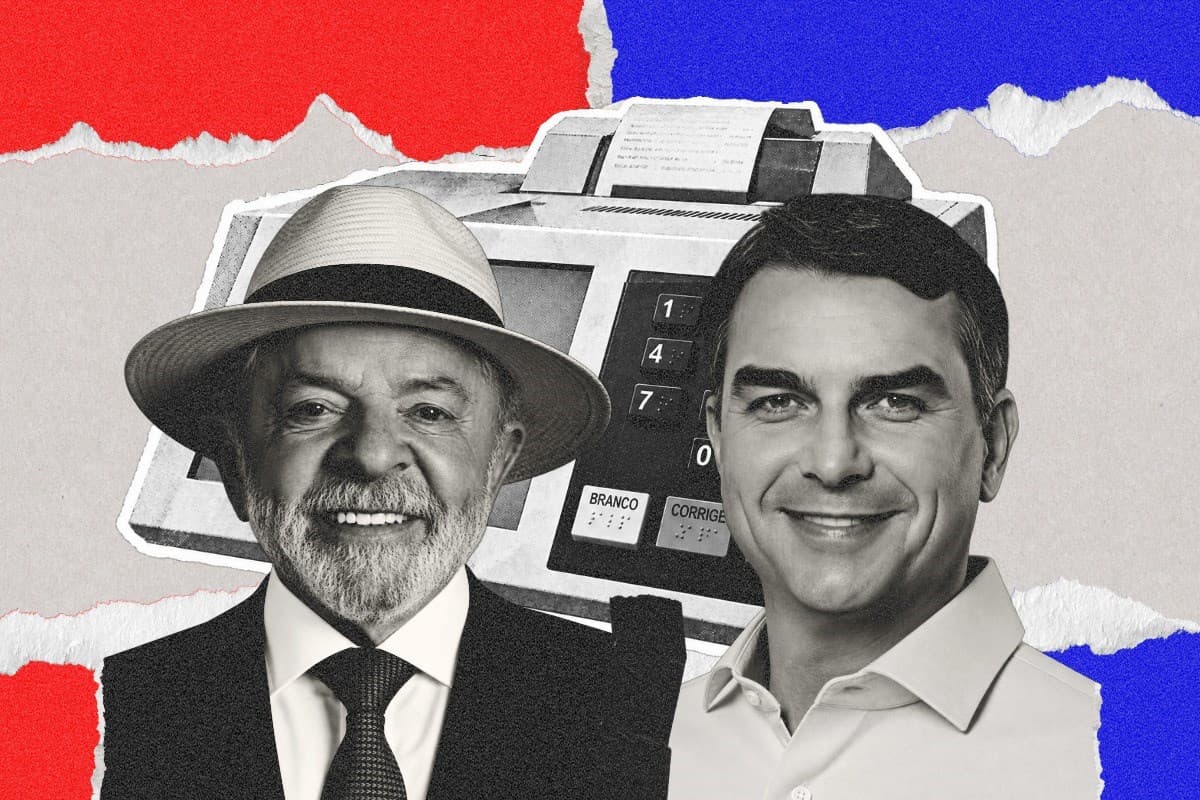
Eleições 2026: Lula and Flávio become votes abroad
In the second round of the 2026 presidential elections, Lula and Flávio Bolsonaro led turns in the overseas voting in five countries. A g1 survey with data from TSE shows Lula received 47,249 more votes than in 2022. The competition was fierce in places such as Malaysia and Mexico.

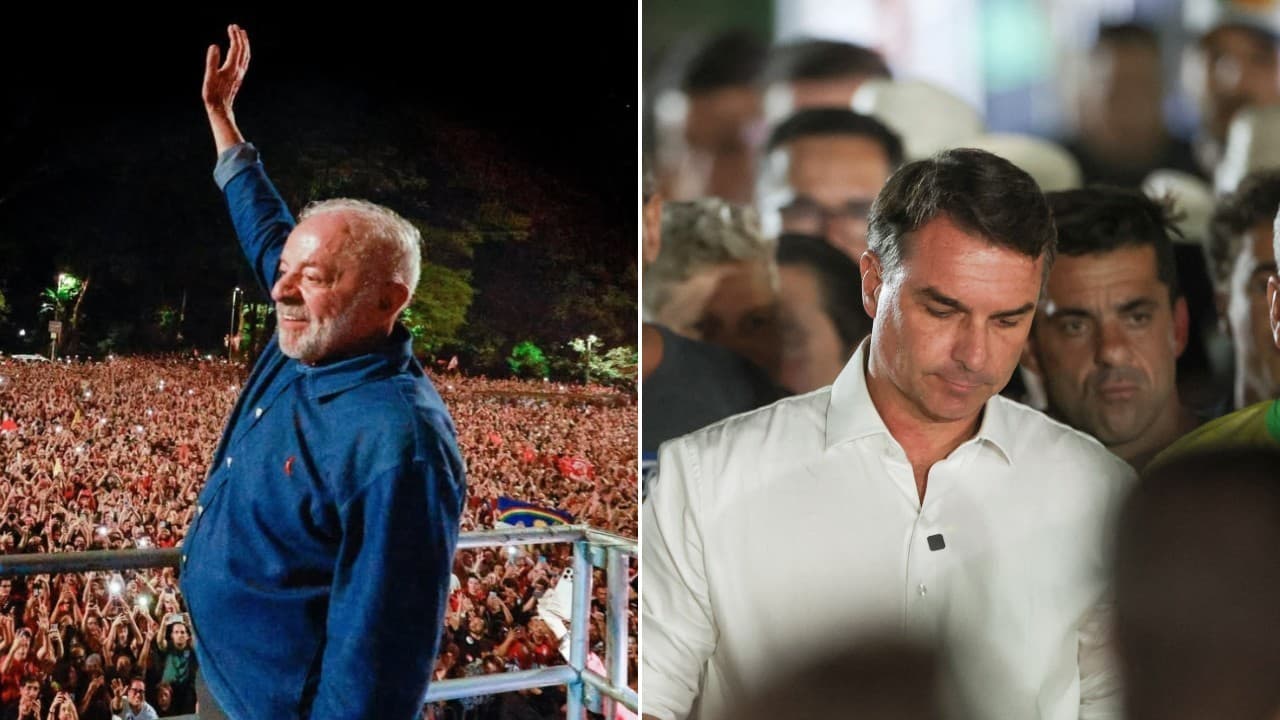
The second round of the 2026 presidential elections revealed significant changes in the vote of Brazilians living abroad. In five countries or territories, the candidate who had led in the first round finished behind the opponent in Sunday’s vote (25). The data are from a survey of the g1 based on the results of the Superior Electoral Court (TSE).
The turns took place in Costa Rica, French Guiana, Malaysia, Mexico and Venezuela. In three of these locations, Flávio Bolsonaro (PL) overtook Luiz Inácio Lula da Silva (PT). In the other two, it was the petista who passed in front. The phenomenon draws attention by showing how the electorate abroad can oscillate between shifts.
Tight turns define result
The closest turn took place in Malaysia, where Flavio overtook Lula by just three votes in the second round. In Mexico, the advantage of the petista was 41 votes. These figures show that, in some countries, the dispute was decided by minimum margins, reflecting the polarization also among Brazilians abroad.
In the other places with a turnaround, the differences were greater, but still relevant. The source did not detail the exact numbers of each country, but the survey confirms the alternation of preference between shifts. This movement may be linked to local campaigns, debates, or changes in candidates’ perceptions.
Lula Expands Voting on 2022
In comparison to the second round of 2022, Lula received 47,249 more votes abroad. In the dispute against Jair Bolsonaro (PL), the petista had obtained 152,905 votes (51.28%), against 145,264 (48.72%) of the then president. Absolute growth indicates greater engagement or increase in the electorate abroad.
The survey does not specify whether the total number of voters abroad grew between the elections, but the increase in votes for Lula suggests an effective mobilization. The source did not detail the distribution of this increase by country, but the overall result reinforces the strength of the petista among Brazilians living outside Brazil.
Flávio leads in 38 countries and territories
In all, Lula was the most voted in 62 countries and territories, while Flavio led in 38. The difference of 24 places shows a consistent advantage of the petista abroad, despite the punctual turns. Flavio’s performance, however, cannot be underestimated, especially in regions where the right has a strong presence.
The TSE data compiled by g1 do not show the demographic profile of voters, but the geographical distribution may reflect Brazilian communities with different political orientations. The source did not detail which countries make up each group, but the overall score indicates a polarization scenario also outside the national territory.
What explains the turns abroad?
Changes in preference between the first and second rounds can have several causes, such as targeted campaigns, televised debates or the influence of social networks. In the case of Malaysia, the three-vote difference suggests that any minimum factor could have altered the outcome. The source did not provide any analysis of the reasons for the changes.
Experts heard by the press often point out that voters abroad tend to be more sensitive to issues such as foreign policy, economics and civil rights. However, the g1 survey does not include interviews or qualitative explanations. The numbers, by themselves, show a dynamic and attentive electorate.
Impact on the Brazilian community abroad
For Brazilians living outside the country, the result of the elections has a direct impact on consular support policies, bilateral agreements and assistance programs. Lula’s victory in 62 locations may indicate a preference for policies of rapprochement with international organizations. Flavio’s leadership in 38 countries signals a significant base of support for conservative policies.
The G1 survey does not bring statements from representatives of communities abroad, but electoral engagement is an important thermometer. The source did not detail whether there was a record participation, but the increase in votes for Lula suggests greater mobilization. The Brazilian community abroad remains a relevant actor in the presidential elections.
Next steps and full coverage
The Superior Electoral Court is expected to release the final and detailed data by electoral section abroad in the coming days. The G1 pledges to update the survey with additional information, such as the total eligible voters and abstention in each country. The source did not detail the disclosure schedule.
To follow the full coverage of the 2026 elections, continue browsing the Boca no Trombone portal. Here you find analysis, numbers and repercussions of Ponta Grossa, Campos Gerais, Paraná and the world. Stay tuned for upcoming updates on voting abroad.
Read Also
Lula re-elected: international press impacts result
Flavio says it is "impossible" to recognize the result of the 2026 elections
Lula is elected president of Brazil and wins Flávio Bolsonaro in the 2026 elections
Font
g1.globo.com
📱Favorite the g1 on Google and follow the main news of the day (www.google.com)