Macron admits mistakes and says he did better for France
Emmanuel Macron said he did the best for France in the last ten years, but admitted 'mistakes'. The statement comes in the final stretch of his second term, which ends on May 13, amid low popularity ratings. Opposition figures reacted with harsh criticism.

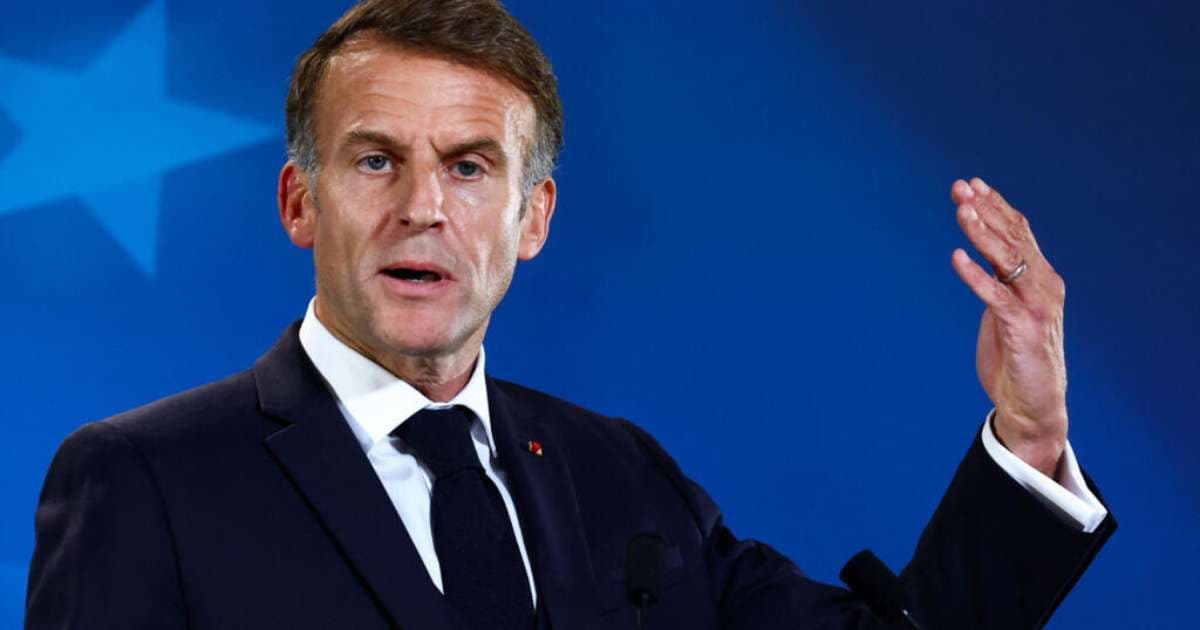
French President Emmanuel Macron said he had acted "to try to fulfill (his) commitments" and "to face the crises" over his 10 years in power, but acknowledged that he had made "mistakes". The demonstration was made in the final straight of his second term, which ends on May 13. Macron, who cannot run for a third consecutive term, is leaving amid low rates of popularity.
The statement of the French head of state immediately had an impact on the country’s political scene. While Macron promises to keep his commitment "to the end", opposition leaders have harshly criticized the balance sheet presented by the president. The exchange of barbs highlights the polarization that marks the end of a decade of Macron’s government.
President ends term with low popularity
Macron will end his second term on May 13, as provided for by the French Constitution, which prevents a third consecutive term. The exit comes at a time of political wear and tear, with approval rates considered low by analysts. The source did not detail the exact numbers of the president’s popularity.
Despite the adverse scenario, Macron said he was dedicated to fulfilling his commitments and facing crises that marked his management. The message, released in recent days, did not specify which errors were admitted by the president. The general tone was to defend the legacy, with punctual recognition of failures.
The promise to keep the commitment "to the end" suggests that Macron intends to continue to act actively in the last days of his term. The statement can be interpreted as an attempt to consolidate his image before leaving the Elysée Palace.
Tweet by @EmmanuelMacron
Video: @EmmanuelMacron via X/Twitter
The opposition reacts with harsh criticism
Mathilde Panot, president of France’s parliamentary group Insubmissive, has used the social network X to classify the end date of the term as a “dark birthday”. For Panot, Macron’s ten years represented “social dismantling”, “poverty” and “asphyxiation of democracy”.
The Communist candidate for president, Fabien Roussel, called Macron’s message “mean unworthy guilt.” Roussel pointed to the "fractures in our country" as evidence that the president's balance sheet does not match the reality experienced by the French population.
The opposition’s criticisms add to a climate of dissatisfaction that, according to statements, deepened during Macron’s administration. The source did not detail whether there were popular demonstrations or other acts of protest related to the announcement.
Legacy in debate on the political scene
Macron’s balance sheet divides opinions. While the president defends his actions in the face of crises, the opposition points to social and democratic setbacks. The divergence reflects the polarization that marked the two terms of the French leader.
The mention of “mistakes” by Macron, although generic, has been interpreted by analysts as a nod to self-criticism. However, the opposition considered the gesture insufficient in the face of what it classifies as serious consequences of its policies.
The end of the mandate on 13 May will pave the way for a new political cycle in France. The presidential elections will define Macron’s successor, and the debate over his legacy should influence the dispute.
What to Expect in the Next Days
By the official date of his departure, Macron must maintain his agenda of presidential commitments. The promise of commitment "to the end" indicates that the president does not intend to reduce the pace of work in the last days of government.
In the meantime, the opposition should intensify its criticism of the management’s balance sheet, seeking to capitalize on popular discontent. The French political scene remains tense, with the expectation of further clashes between government and opposition.
For the readers of Boca no Trombone, the outcome of Macron’s term serves as an example of how world leaders face the challenge of accountability to the population. Follow the next updates on the transition of power in France.
Read Also
Pope Leo XIV condemns exploitation of the Amazon in Peru
Font
www.terra.com.br