Widow of assassinated president runs in Haitian election
Martine Moise, widow of former president Jovenel Moise, officially launched her candidacy for Haiti's presidential election, the first in ten years. The vote is scheduled for July, but faces challenges of security and political distrust.

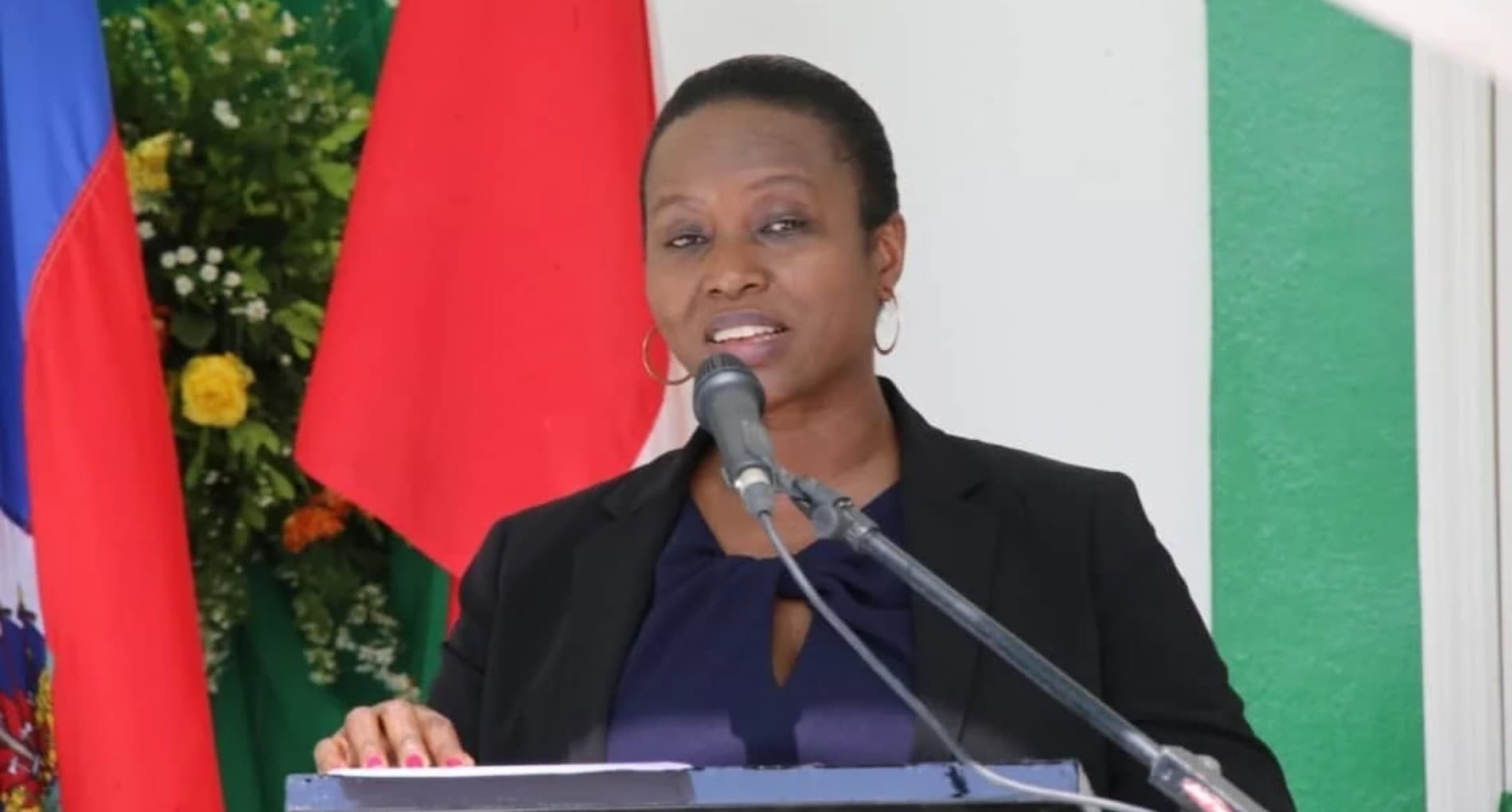
Martine Moise, widow of Haiti's last president, whose assassination in 2021 marked a major turning point for the country, registered her candidacy for Haiti's first presidential election in a decade, the electoral council's website showed on Sunday. The first round is scheduled for July next year.
The application takes place in a scenario of deep instability. After the president's death, a number of transitional governments took over the country, while armed gangs, widely believed to be backed by corrupt politicians, took control of much of the capital, Port-au-Prince, and nearby regions.
Context of violence and delays
Haiti held its last presidential election in 2016. Since then, successive leaders, amid the expansion of the influence of powerful and heavily armed gangs, have repeatedly postponed the vote, claiming lack of security. The humanitarian crisis has worsened: since 2022, about 1.5 million people have been displaced and more than 22,000 have been killed, many by security forces.
Several international forces have been sent to Haiti to help police fight the gangs. More recently, soldiers from El Salvador have been deployed to the country. Despite these efforts, the violence continues to challenge the realization of a trusted plea.
Profile of the candidate and competition
Moise is one of three women among 33 registered candidates. The list includes former presidents Michel Martelly and Jocelerme Privert, former prime minister Claude Joseph and former foreign minister Dominique Dupuy. Several candidates, including Martelly and Privert, have been the target of international sanctions on charges of supporting armed gangs. Both deny irregularities.
Martine Moise is an important witness in the Miami trial against dozens of suspects involved in the murder of Jovenel Moise, who ruled Haiti from 2017 until his death in July 2021. He was shot dead in his room by Colombian mercenaries who posed as agents of the Estados Unidos anti-drug agency, the DEA. Martine Moise was seriously shot and flown to a hospital in Florida.
Challenges for holding the ballot
Some politicians have questioned the ability of the current government to hold a reliable election. The historically influential Fanmi Lavalas party led by former President Jean-Bertrand Aristide, deposed in a coup in 2004, said on Friday it would not cast a candidate as long as conditions remained so uncertain.
The party’s decision reflects widespread skepticism about the viability of the electoral process in a country plagued by gang violence and institutional fragility. However, the registration of candidates continues, with the electoral council publishing the official list.
What to Expect by July
With the first round scheduled for July, Haiti faces a race against time to ensure minimum security and electoral logistics. The international community watches closely as candidates launch campaigns in an environment of fear and uncertainty.
The participation of Martine Moise adds a symbolic dimension to the lawsuit: the widow of an assassinated president seeks to lead a country marked by recent traumas. If you can overcome the obstacles, only time will tell. The source did not detail the next steps of the electoral process.
Read Also
More than 1,600 flights cancelled on Estados Unidos this Sunday
Pope criticizes illegal mining and damage in the Amazon
Beijing bans possession of drones and authorizes seizure
Font
g1.globo.com