New World Biting Fly Advances in the US and Threatens Livestock
The New World biting fly, a parasite that devours live warm-blooded animals, has seen a significant increase in cases in the southwestern United States. USDA data shows 64 infestations this month, compared to 34 in October. Livestock farmers fear that the scarcity of sterile flies may hinder control of the pest.

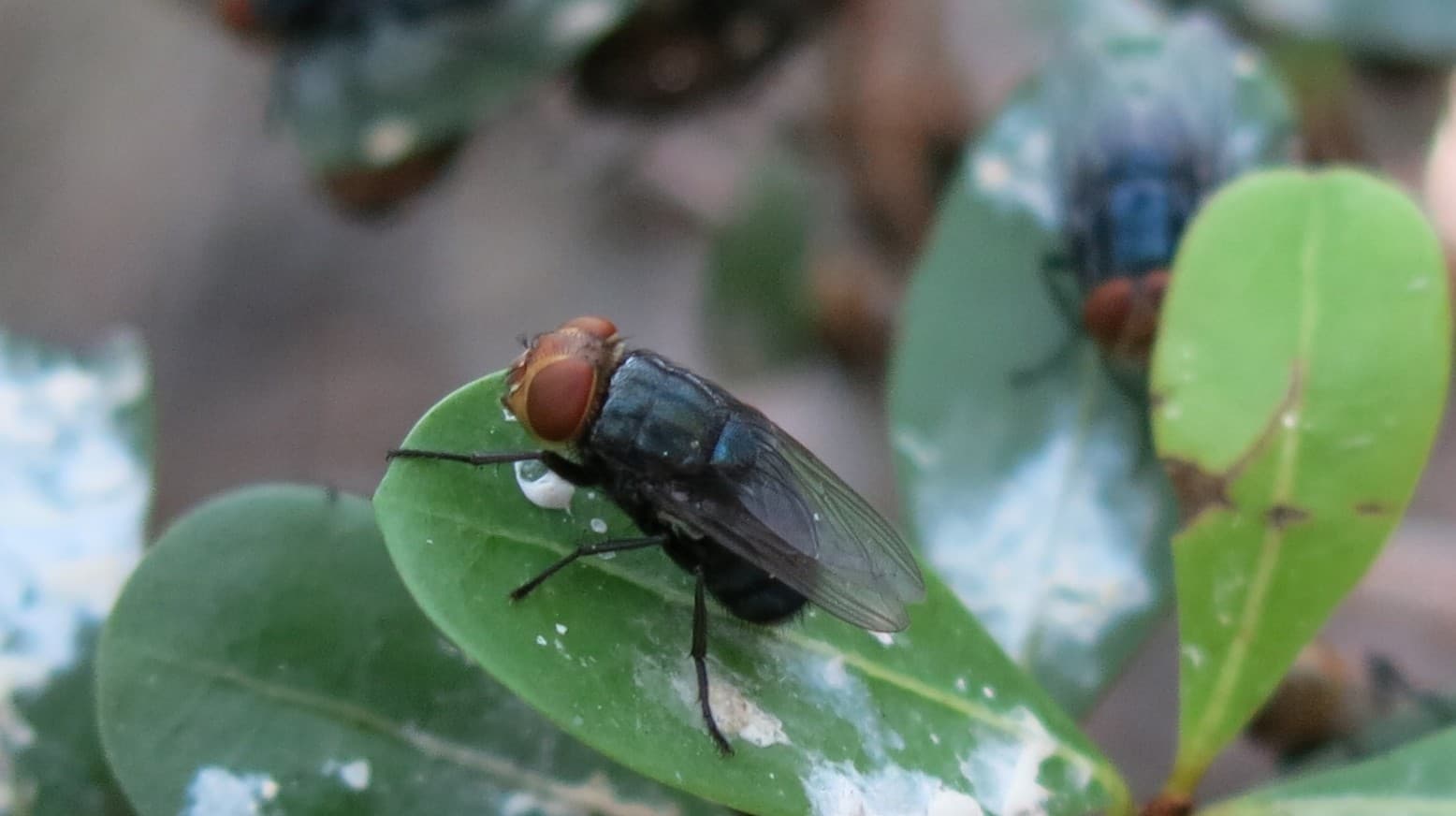
The New World pot fly, a parasite that devours live warm-blooded animals, is spreading rapidly across the southwest of the Estados Unidos. Data from the U.S. Department of Agriculture (USDA) and state veterinarians indicate that the humid and hot climate in the region favored the increase in outbreaks. This month, 64 cattle, dogs, horses and other domesticated animals were infested, a jump from 34 cases in October and three in September.
Since June, the USDA has recorded 149 cases in domesticated animals, in addition to two in wild moose. As of Thursday, 73 cases were active, up from only two at the end of September. The escalation worries cattle ranchers, who fear that the numbers will continue to rise due to the shortage of sterile flies used in the fight against the parasite.
Parasite advances in the south of the United States
The USDA first detected the bird fly in a calf in Texas in June, after the parasite advanced north through Mexico. Then he confirmed more cases in Texas and New Mexico. After a period of calm, the plague reached Arizona last month, which now has nine active cases in four counties.
According to state veterinarian Ryan Wolker, the flies have arrived in Arizona from the south and east. “The main contributing factor is the natural progression of the pest and the limited supply of sterile male cockroaches,” he said. The situation keeps producers on alert, especially in Texas, where southern cattle rancher Susan Storey said: "The swarm has not yet reached Texas."
Sterile flies are bet on control
To contain the infestations, the USDA is releasing all the sterile flies available in the southwestern U.S. and the northern border region of Mexico. Sterile males mate with wild females, but the eggs resulting from these crosses do not hatch. However, current production is insufficient for the growing demand.
The department runs to expand production capacity. The Army Corps of Engineers oversees the construction of a factory in South Texas, with opening scheduled for next year. Dr. Samantha Holeck, a New Mexico state veterinarian, highlighted the fragility of the sanitary barrier: “There was a good part of Mexico where we did not have an effective barrier of sterile flies to prevent this natural spread. Now she's right there on the border -- on both sides of the border."
Genetically modified flies tested
A promising alternative is in development: sterile genetically modified flies, known as NovoFly. Researchers in Panama have advanced the tests to produce only males, which could double the production of sterile insects by eliminating females, which are not used in eradication efforts.
The USDA's undersecretary, Dudley Hoskins, told Reuters that a project to test these flies is underway. "To date, all signs indicate progress and a strong competitiveness of NovoFly in nature," he said. "The tests carried out so far have demonstrated everything we expected them to demonstrate."
The USDA plans to produce NovoFly at the facility scheduled to open in April in Texas, if tests continue to go well. Hoskins added that it will take time to increase production. The expectation is that the new technology will help to contain the advance of the parasite and protect the cattle herd of the region.
While long-term solutions do not arrive, cattle ranchers and authorities continue to monitor the expansion of the bottle fly. The outcome of this battle may define the future of livestock in the American Southwest and beyond.
Read Also
Trump bought up to $265,000 in Nvidia shares in September
The UN Court ruled that Myanmar had committed the Rohingya genocide.
Ponta Grossa and region will have rain and high temperatures this weekend
Font
g1.globo.com
🗒️ Do you have any news suggestions? Send to g1 (colabore.globo.com)