Justice releases documents on the death of Tancredo Neves
The Federal Regional Court of the 1st Region recognized the family's right to access medical documents regarding the death of the elected president in 1985. The decision ends a 12-year legal battle and may reveal details of the procedures and warnings from the Federal Medical Council.

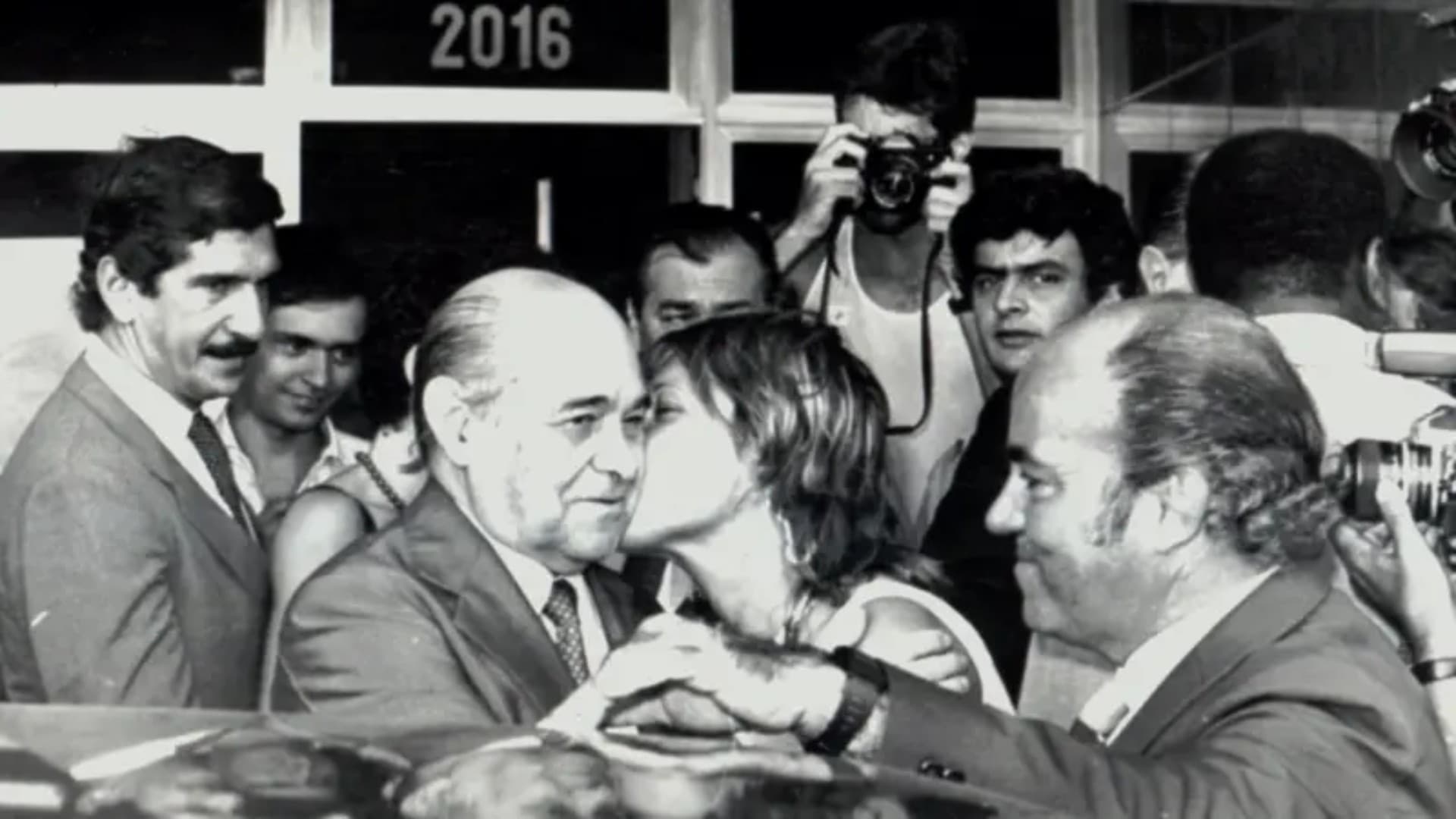
The Federal Regional Court of the 1st Region (TRF1) recognized, on October 26, the right of the family of Tancredo Neves to access the documents and procedures related to the medical treatments that preceded the death of the president-elect, on April 21, 1985. The decision ends a 12-year-old court battle and represents, according to the defense, a "victory of memory."
Tancredo Neves was the first civilian elected president after the military dictatorship, but did not take office. He was admitted on the eve of the ceremony, on March 14, 1985, with an inflammation in the large intestine region, initially treated as acute appendicitis. He died a month later of sepsis at the Hospital of Clinics of São Paulo.
Understand the Judicial Battle
The lawsuit was filed in February 2012 by the politician’s son, lawyer Tancredo Augusto Tolentino Neves. The lawsuit called on the medical councils to present all the "procedures, procedures and other documents" regarding the visits to the then president-elect in the days leading up to his death.
The request was halted from 2014 until the beginning of last year, when the office of a TRF delegator consulted the parties on the interest in the resumption of the case. Now, the court has complied with the request and broken the medical secrecy on the medical records since March 14 of that year.
What can be revealed
With the decision, the understandings of the Federal Council of Medicine and the Brasília unit of the Regional Council of Medicine on the case may be known. The family’s lawyer, Juliana Porcaro, says the interest is to know what arguments the institution used to warn the doctors involved in the procedures.
According to Porcaro, although today it is known that Neves’ death was caused by a succession of medical errors, there remains an interest in knowing “what has in this process” — the internal process of the Federal Council of Medicine. For her, "after so many years", only "historical interest" remains, since "there is no more time to punish" those involved.
Victory of memory
The lawyer classifies the decision as a “legal victory”, but stresses that it does not mean the closure of a story. "It is the conquest of the possibility of knowing the pages that are still missing," he says. The legal thesis underlying the request is that medical secrecy should not be an absolute value and must "give way to the specific interest of the petitioner and his family, as well as to the history of the country itself".
The petition argues that, in the case of a President of the Republic, personal health is no longer a private matter, as it affects the "functioning of institutions" and the "interests of society". The text also highlights that the country’s history “claims convincing explanations about the unexpected and rapid death of the first president of the Republic elected after the dictatorship.”
Next steps
The source did not detail when the documents will be effectively delivered to the family. The decision of the TRF1 recognizes the right of access, but compliance may involve new procedures. The case is ongoing at Justiça Federal.
For the reader who follows national politics, the release of documents can bring light to one of the most striking episodes of Brazilian redemocratization. Follow the Boca no Trombone Portal for updates on the case.
Read Also
Defense of Flávio Bolsonaro asks for Moraes to be removed
PT uses video of elderly people voting to extol Lula’s victory
Trump and Milei Enter List of ‘Predators of the Press’ Released by International NGOs
Font
g1.globo.com
🗒️ Do you have any news suggestions? Submit to g1 (collaborate.apps.globo.com)