Lula government sees US loophole in Americas Shield
Brazilian government assesses that the Americas Shield, by treating organized crime as a threat to US security, could create an opening for Washington to act against Chinese presence in ports and railways and access to critical minerals. Brasilia avoids linking the issue to armed conflict, but sees risk of using force in violation of international law, as in Venezuela.

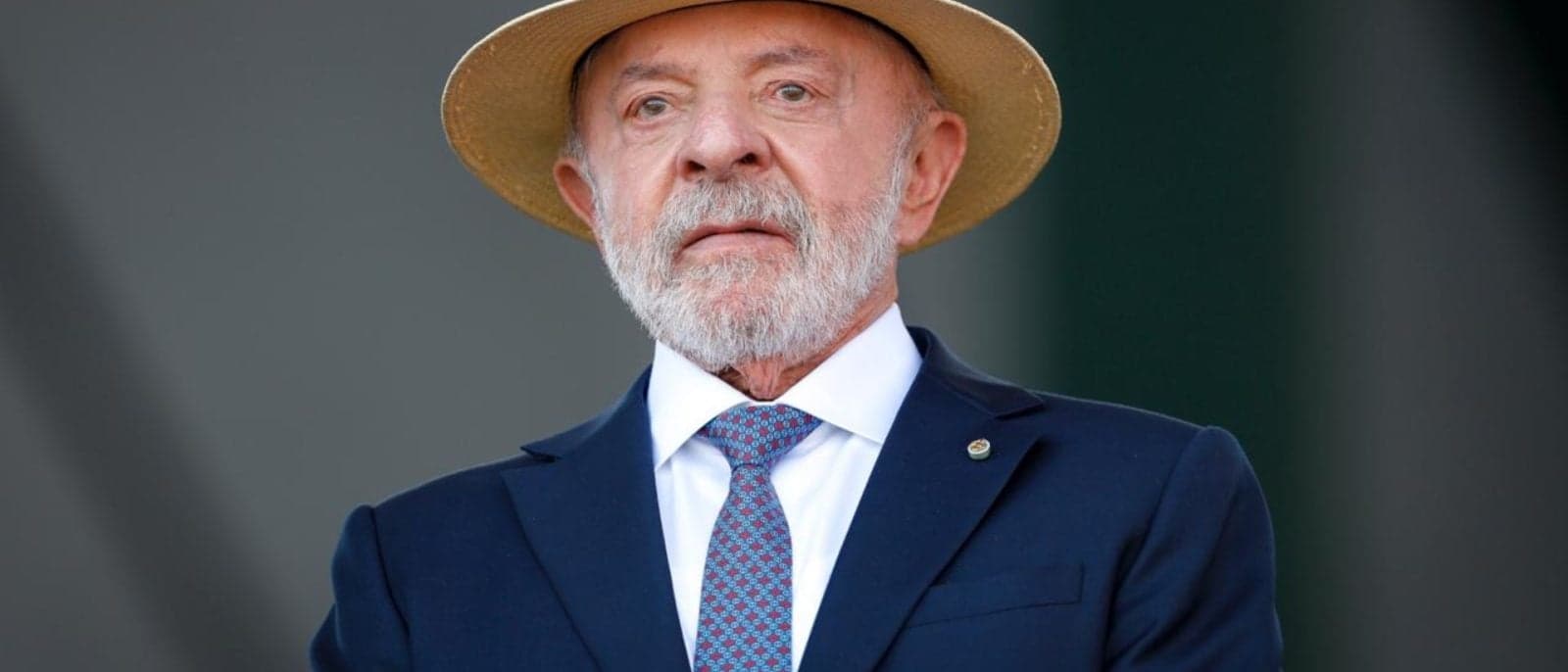
The government of President Luiz Inácio Lula da Silva estimates that the Escudo das Américas, an initiative announced by the Estados Unidos, could open a gap for Washington to expand its influence in the region. For Brasilia, the most sensitive segment is the framing of organized crime as a threat to US security. The assessment is that this logic can be applied to other areas, such as the Chinese presence on Brazilian soil, mainly in ports and railways.
The U.S. government’s declaration also announces its intention to request the Permanent Council of the OAS (Organization of American States) to hold a consultation meeting based on the 1947 Tiar (Rio Treaty). This is the next concrete step and should take weeks or months to move forward. Meanwhile, the Brazilian government treats the issue with caution and avoids associating it with an armed conflict scenario in the region.
Organized Crime as a Gateway
The central concern of the Plateau is that by classifying organized crime as a threat to U.S. national security, Washington paves the way to justifying actions in other sectors. The same reasoning, according to Planalto’s assessment, applies to critical minerals: any access to Brazilian reserves would pass by rules defined by Brasilia, not by Washington. The source did not detail which minerals would be priority, but the mention indicates that the government is attentive to foreign interest in strategic resources.
In addition, the Chinese presence in Brazilian infrastructure, especially in ports and railways, is seen as a potential target of this new doctrine. The government does not cite specific cases, but the assessment is that the security justification could be used to pressure Brazil to review contracts or limit Chinese investments. This reading reinforces Brasília’s caution regarding the Shield of the Americas.
https://www.youtube.com/watch?v=0TbwtmxAaMs
Video: YouTube | Source: www.poder360.com.br
Diplomacy and sanctions, not troops
There is, in the documents released so far, no mention of military action against Brazil or neighboring countries. The instrumental used to enforce the Monroe doctrine has been diplomatic and financial: sanctions, blocking property and restricting visas. The Brazilian government recognizes that, for now, the measures do not include armed intervention, but sees the risk of escalation.
The concern is that Washington is paving the way for the use of force in defiance of international law. The government sees in this the same path taken in the intervention in Venezuela that led to the capture of Nicolás Maduro (PSUV, left). The comparison with the Venezuelan case is recurrent in internal analyses, as it shows how a security justification can evolve into direct action.
Brazilian reaction: caution and sovereignty
Given this scenario, the Lula government adopts a moderate tone, avoiding statements that could inflame the relationship with the US. The strategy is to monitor the developments in the OAS and the Tiar, without anticipating confrontations. The source did not detail whether there will be any formal diplomatic action from Brazil in the coming days.
At the same time, Brasilia reaffirms that decisions on recursos naturais and infrastructure are exclusively up to the country. The same reasoning applies to critical minerals: any access to Brazilian reserves would pass by rules defined by Brasilia, not by Washington. This position should guide the government’s responses if external pressure increases.
What to expect from the OAS and the Tiar
The Tiar-based consultation meeting request is the next concrete step, but it should take weeks or months to move forward. The treaty, signed in 1947, provides for collective defense mechanisms in the Americas, but its application in non-military contexts is controversial. The Brazilian government is following closely, as a broad interpretation of the Tiar could legitimize unilateral actions by the US.
As the process unfolds, the tendency is for Brazil to maintain a discourse in defense of sovereignty and international law. The source did not detail whether there would be any articulation with other countries in the region, but concerns about the Monroe doctrine are shared by neighbors. The outcome will depend on Washington’s ability to gain support in the OAS.
Impact for the Brazilian reader
To the ordinary citizen, the debate may seem distant, but it directly affects the economy and infrastructure. If the U.S. extends sanctions or restrictions on Chinese companies operating in Brazil, port and rail projects may suffer delays or cancellations. This would impact jobs and the cost of transporting goods, including in the Paraná agribusiness, which depends on ports such as Paranaguá.
In addition, pressure on critical minerals can influence the price of technologies such as batteries and electronics. The Brazilian government has not yet announced concrete measures, but monitoring is constant. The source did not detail whether there would be an immediate impact for the Paraná, but the region, with a strong presence of agribusiness and industry, is attentive to the developments.
The Boca no Trombone Portal will continue to monitor the negotiations in the OAS and the reactions of the Brazilian government. For more news on national and international politics, please visit other topics on our website.
📄 Related Documents
📎 in full (Declaration-Conjunta-sobre-a-Defensa-Da-Soberania-Hemisferica-22.set_.2026.pdf)
📎 in full (Presidential-Determination-on-Major-Drug-Transit-16-Sep-2026.pdf)
Read Also
Alexandre Salomon defends ‘the simple well done’ for the Government of the Paraná in 2026
House of Castro approves project that creates the Municipal Day of Public Security
Quaest Senate TO: Eduardo Gomes leads with 18%
Font
www.power360.com
Prioritize Power in Google (www.google.com)
Luiz Inácio Lula da Silva (drive.poder360.com)
in full (static.poder360.com.br)
Flávio Bolsonaro (drive.poder360.com.br)
in full (static.poder360.com.br)