Ponta Grossa may open space for new plants in urban gardens and woodlands
Project by Dr. Erick is on the agenda for the second discussion of the Chamber on this Wednesday (28); planting will depend on a technical opinion and should preserve the predominance of native species


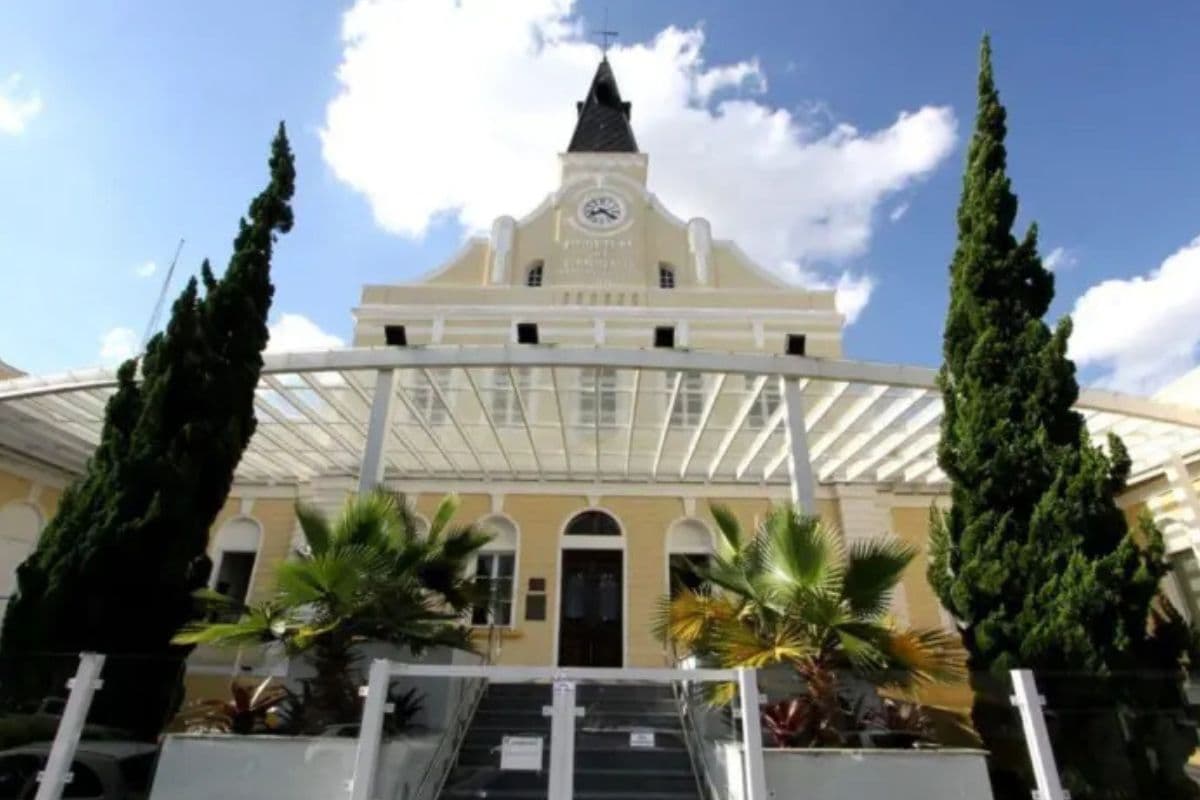
Ponta Grossa could enable the planting of non-invasive alien plant species in environmental projects developed in public areas. The change is foreseen in Bill 253/2026, of the councilor Dr. Erick Camargo, included in the agenda of the second discussion of the Câmara Municipal on Wednesday, October 28.
The proposal amends Law No. 11.233/2012, which deals with municipal environmental policy. The text opens an exception to the prohibition of planting of exotic species in green areas intended for public use, allowing the use of non-invasive species in specific initiatives and upon evaluation by the Municipal Secretariat of Meio Ambiente.
Among the projects contemplated are urban green infrastructure programs, urban forests, food gardens, hortas comunitárias and environmental education activities. The authorization may also reach other public interest initiatives aimed at environmental and landscape qualification of the municipality.
Planting will have restrictions
For the project, each authorization will depend on the favorable technical opinion of the Municipal Secretariat of Meio Ambiente. Even in authorized spaces, regional native species should predominate. Non-invasive exotics can only be used as complementary elements.
The text prevents the granting of this authorization in Permanent Preservation Areas (PPAs), Integral Protection Conservation Units, Legal Reserves, spaces destined to ecological recovery and areas classified as priority for the conservation of biodiversity.
The proposal maintains a ban on the planting of invasive alien species in green areas intended for public use.
Author advocates diversity and community participation
In the justification, Dr. Erick states that the amendment seeks to allow the controlled use of non-invasive species for landscape, educational, food and community purposes. Among the objectives presented are to strengthen urban forestry, expand landscape diversity, encourage food forests and stimulate community participation, while maintaining the protection of ecologically sensitive environments.
The inclusion on the agenda indicates the forecast of analysis by the councilors. The documents submitted do not present the result of the vote on Wednesday.