PT maintains hegemony in BA, CE and PI despite bolsonarist advance
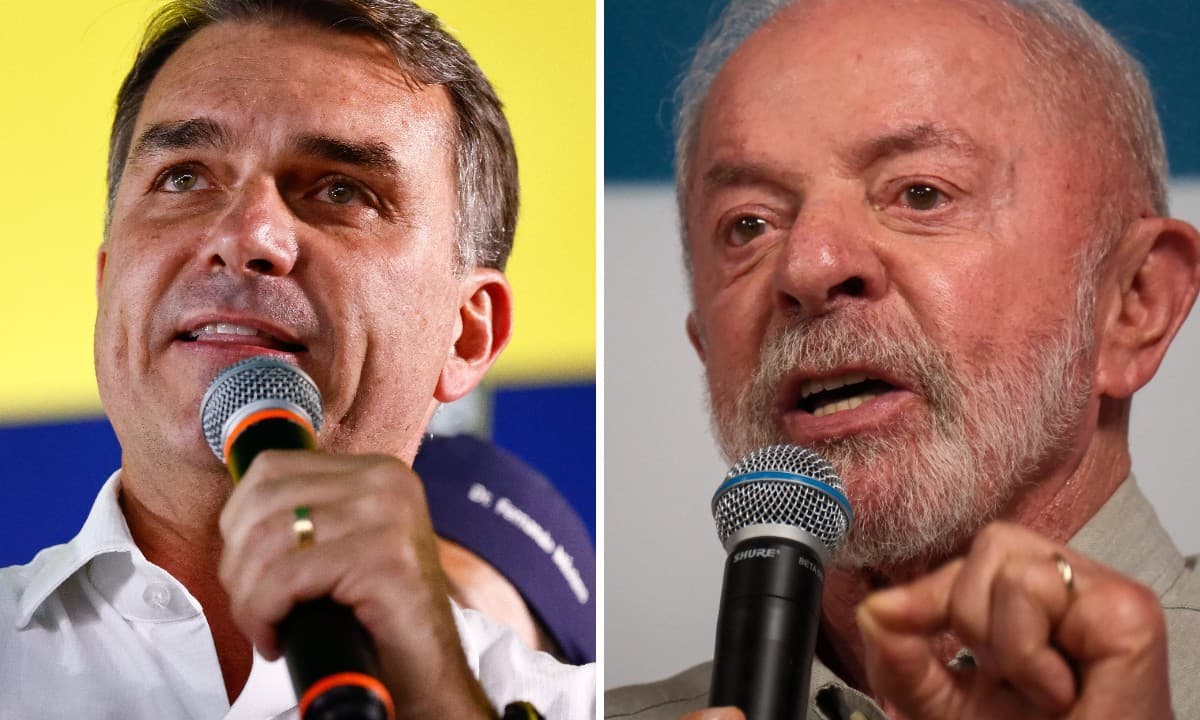
The three northeastern states governed by PT — Bahia, Ceará and Piauí — reelected their governors in the first round, consolidating themselves as strongholds of lulopetism. Despite the advance of Flávio Bolsonaro in the region, the petista base showed deep rooting, sustained by clientelism and strong identification with Lula.

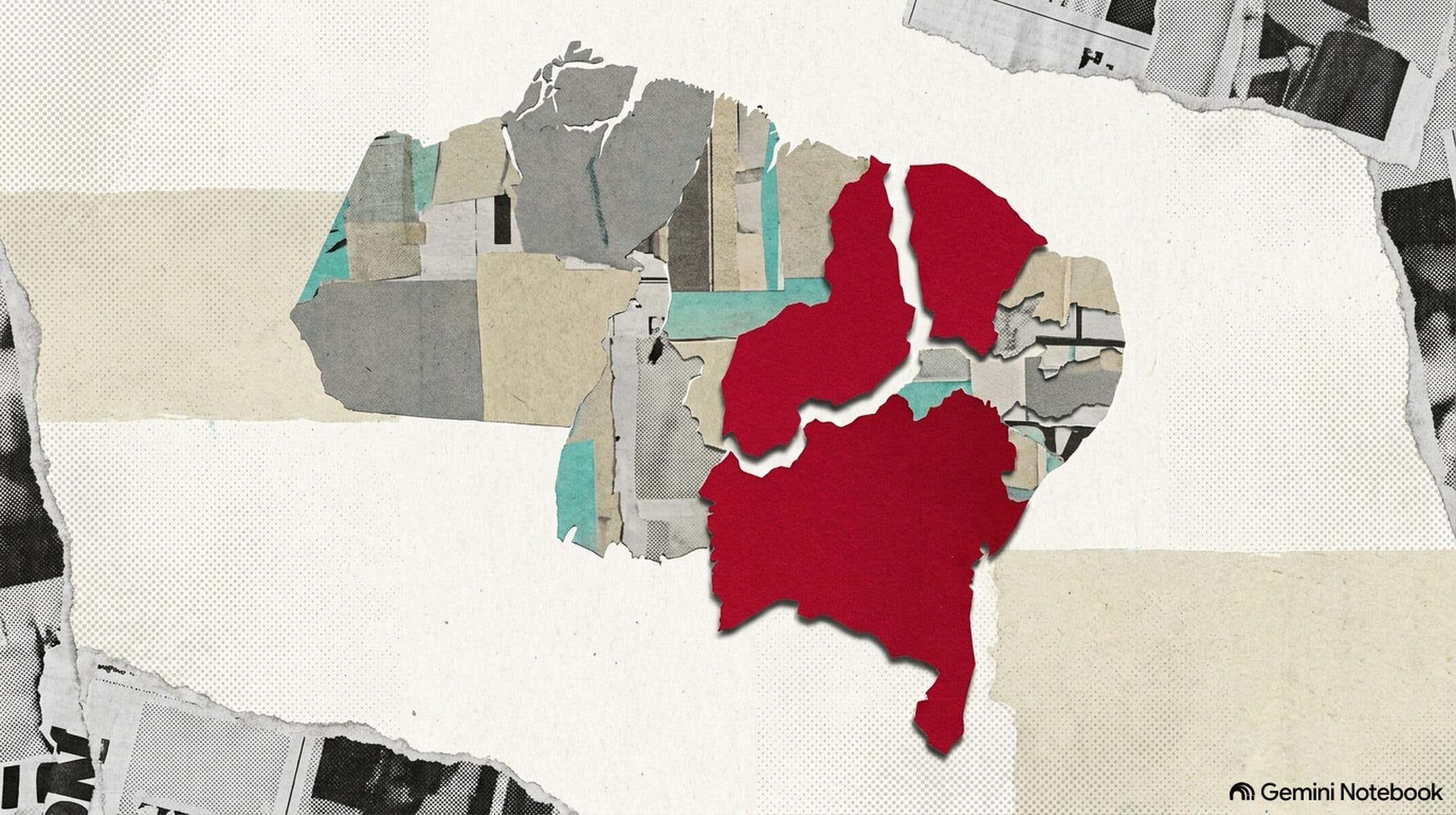
Bahia, Ceará and Piauí maintained the hegemony of the PT in the Northeast by re-electing their governors in the first round of the 2026 elections. The three states, considered the main strongholds of lulopeticism in the region, resisted the advance of bolsonarism, represented by Flávio Bolsonaro, which expanded its vote in all the northeastern states. Despite the tightening of the dispute, the roots of the petista base remained deep, supported by local political structures and strong identification with the former president Lula.
Clientism and Lula factor explain hegemony
The phenomenon goes beyond the memory of social benefits and reproduces relations of clientelism that help explain the lack of alternation of power. Adriano Oliveira, professor and electoral analyst at the Federal University of Pernambuco (UFPE), highlights other factors. “They are strong strongholds, they are strongholds of petism, but there is something more,” he says.
In addition, according to him, there is the Lula factor. “In the Northeast, the vote is Lulista before it is petista. It is an identification of origin and northeastern trajectory with Lula’s personal assessment.” This emotional and historical connection strengthens the candidates of the party even in the face of competitive opponents.
Bahia: a fierce dispute and a petista turn
In Bahia, the dispute was more fierce than in previous elections. After losing to Jerônimo Rodrigues in 2022, the former mayor of Salvador ACM Neto bet on the wear and tear of almost two decades of PT governments, concentrating the attacks on state management and, above all, on public security.
Already in 2022, Jerônimo specified the second round: he finished the first stage with 49.45%, against 40.80% of ACM Neto, and won the dispute with 52.79% against 47.21%. In 2026, the temperature remained high. ACM even appeared numerically ahead in September polls, but failed to capitalize on the wear and tear.
The case of Banco Master added a new front to the Bahian campaign by hitting the two groups: Jaques Wagner (PT) and members of his surroundings were put under pressure by the investigations. In turn, ACM Neto was questioned by the R$ 3.6 million received from the bank and Reag by his company, payments that he claimed were legal and related to consulting services. Wagner also denied any wrongdoing.
For the Senate, Rui Costa and Jaques Wagner were elected to the two seats. Rui received 4.33 million votes, 30.06% of the valid ones, and Wagner, 3.99 million, 27.65%. The two were ahead of Angelo Coronel (Republicanos), with 20.11%, and João Roma (PL), with 19.97%.
Ceará: turn of Elmano on Ciro
In Ceará, the election was far from quiet for the petista group. Ciro Gomes returned to the state where he built his political career after four defeats in presidential elections and assembled an opposition front with União Brasil, PP and PL.
In the first Datafolha after the conventions, Ciro appeared with 52% of the voting intentions, against 33% of Elmano. The lead fell to nine points in early September and reached seven in the survey released on September 23, with Ciro at 47% and Elmano at 40%.
In the final straight, Elmano managed to turn the dispute around. The association with Lula was one of the elements of the petista campaign, while Ciro concentrated part of his attacks on public security. The result also exposed the strength of the political structure built by the group that has governed the state for 12 years.
For Adriano Oliveira, from UFPE, the scenario is as crystallized as that of Bahia. “The governing group arrived at the election after 12 years in command of the state, in addition to maintaining influence over the politics of Fortaleza.” The result for the Senate also showed the strength of Cid Gomes, Cyrus' brother and adversary. Cid was re-elected by the PSB with 31.22% of the vote.
Piauí: pure case of party-state
For André Mota, Piauí represents the most finished example of the political structure built by the PT in the states. Rafael Fonteles (PT) was re-elected in the first round with 70.90% of the valid votes, against 27.54% of Joel Rodrigues (PP).
The result guaranteed the PT another four years in government and the fourth consecutive term of the party in the state since 2015. Fonteles had already won the 2022 election in the first round, with 57.17% of the vote.
For Motta, Piauí is the “purest case of party-state”, in which the public machine and the electoral instrument of a government come to form a unique structure, capable of perpetuating the political group in power. The source did not detail the specific mechanisms of this structure in the state.
Bolshevik advance lights alert
Despite the maintenance of petist hegemony, the advance of Flávio Bolsonaro in all northeastern states indicates a scenario of increasing polarization. The fierce dispute in Bahia and Ceará, with turns and tight surveys, shows that the PT cannot accommodate itself.
Local rooting, clientelism and the Lula factor remain pillars, but the wear and tear of long terms and public security guidelines may make room for opposition in the upcoming elections. The continuity of this hegemony will depend on the party’s ability to renew its leadership and respond to regional demands.
Read Also
TSE suspends Lula propaganda against Flávio Bolsonaro
Flávio Bolsonaro talks about spiritual warfare in worship in Rio
Record cancels debate between Flavio and Lula
Font
www.gazetadopovo.com