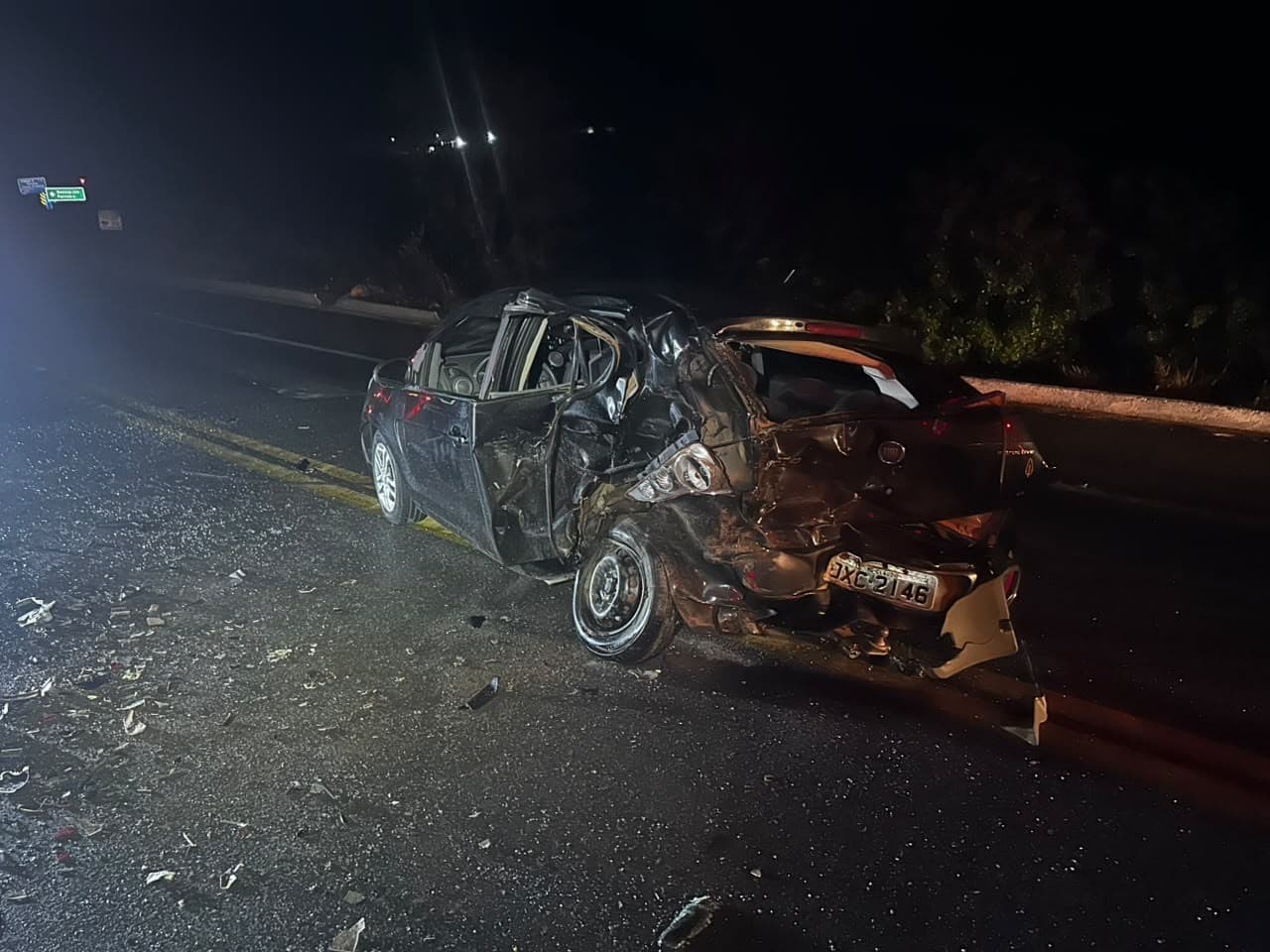
Senate approves end of bail for traffic death caused by intoxication
The Senate's Constitutional and Justice Committee approved a bill that ends bail in cases of negligent homicide in traffic caused by intoxication. The proposal also provides for arrest in flagrante even with assistance to the victim and mandatory toxicological examination.

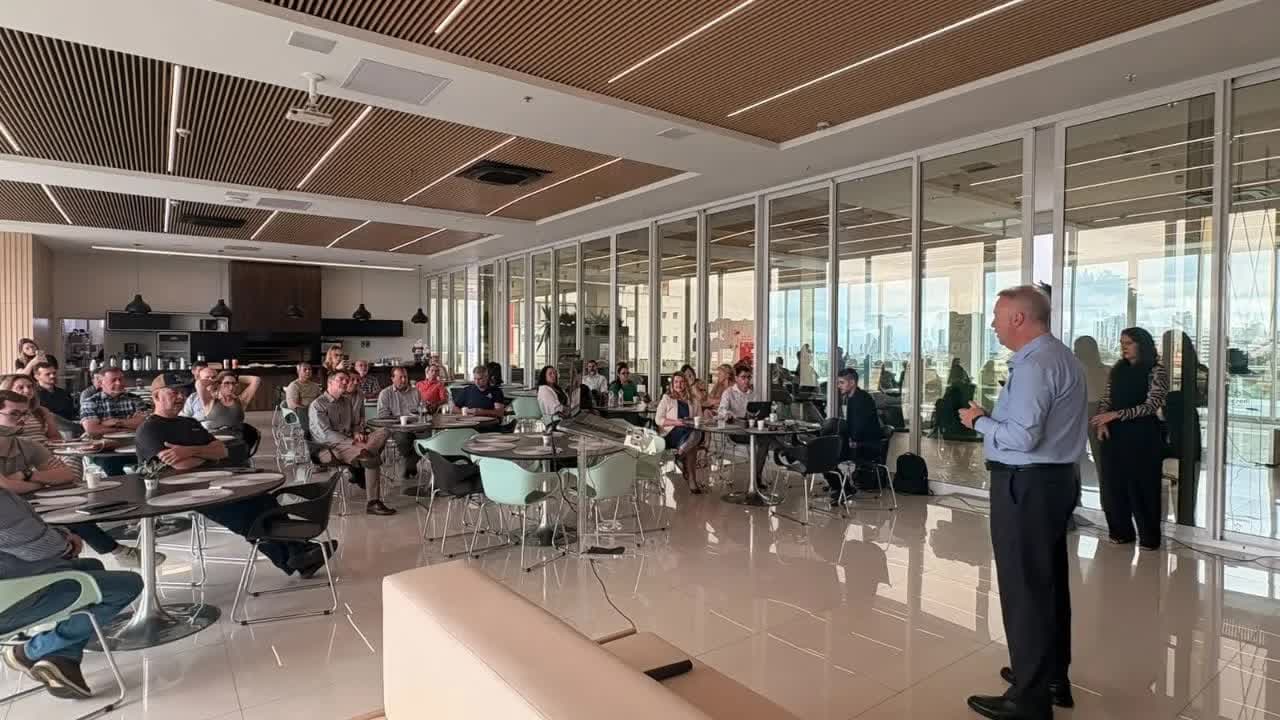
The Senate Constitution and Justice Commission (CCJ) approved on Wednesday (25), a bill that eliminates the possibility of bail in cases of manslaughter in traffic accidents caused by drunkenness at the wheel. The proposal, authored by Senator Fabiano Contarato (PT-ES) and reported by Laércio Oliveira (PP-SE), also establishes the arrest in flagrante of the driver involved in a fatal accident, even if he provides relief to the victims, and provides for the conduct of toxicological examination to identify the use of psychoactive substances.
The measure represents a tightening of Brazilian traffic legislation, which currently allows provisional release by bail for manslaughter of this nature. With the final approval in the CCJ, the text will go directly to the Chamber of Deputies, unless there is recourse for voting in the main plenary of the Senate.
What changes in practice
An indictable crime is one in which the law allows provisional release by payment of an amount in cash. Currently, there is the possibility of bail in homicides in traffic accidents. With the approval of the project, this alternative ceases to exist for cases where the driver is under the effect of alcohol or psychoactive substance.
In addition to the bail ban, the proposal stipulates that drivers involved in traffic accidents with deaths will be arrested in flagrante, even if they provide relief to the victims. The rule applies even to those who are not drunk, but who have caused death by recklessness, negligence, or impertinence. The source did not detail whether there will be exceptions for specific situations.
Another point provided in the text is the compulsory toxicological examination to identify the use of psychoactive substance by the driver involved in the fatal accident. The objective is to verify, in a technical way, whether there was alcohol or drugs that may have contributed to the accident. The transition to the next section addresses the processing of the proposal.
Processing and next steps
As it has been approved in a final character in the CCJ, the project does not need to pass through the plenary of the Senate, unless there is recourse in this sense. Otherwise, the text goes directly to the House of Representatives for analysis. To enter into force, the bill will still have to be approved by the deputies and sanctioned by the President of the Republic.
There is no set deadline for voting in the House. The source did not say whether the federal government has already spoken on the issue. The proposal, if converted into law, will amend the Brazilian Traffic Code and the Code of Criminal Procedure, directly impacting the actions of delegates, judges and lawyers throughout the country.
Impact for drivers and victims
The legislative change seeks to reduce the sense of impunity in cases of traffic deaths caused by drunkenness. For the families of the victims, the impossibility of bail may represent a faster response from the justice system. For drivers, the risk of immediate arrest tends to act as a deterrent.
Experts heard by the report were not cited in the available information. The source did not detail estimates of the number of cases that would be affected by the new rule. However, the measure is seen as a step forward in the tightening of penalties for traffic crimes, especially those related to alcohol consumption.
The bill now goes to the Chamber of Deputies, where it may undergo changes. The population can follow the process and collect positioning from parliamentarians. For more information on the progress of the proposal, continue to follow the Boca no Trombone portal.
Read also
CCJ approves Moro’s project to strengthen fight against corruption
Sergio Moro Announces Paraná Digital Health and Government Secretary
Lula negotiates fiscal measures before defining ministries
Font
g1.globo.com