Ten Lions Found Dead Suspected of Poisoning in Tanzania
Ten lions were found dead in the Ngorongoro Conservation Area, Tanzania, on Friday (18/9). Preliminary analyses indicate poisoning, but the substance and intent remain unknown. The case occurs amid conflicts between authorities and nomadic communities in the region.

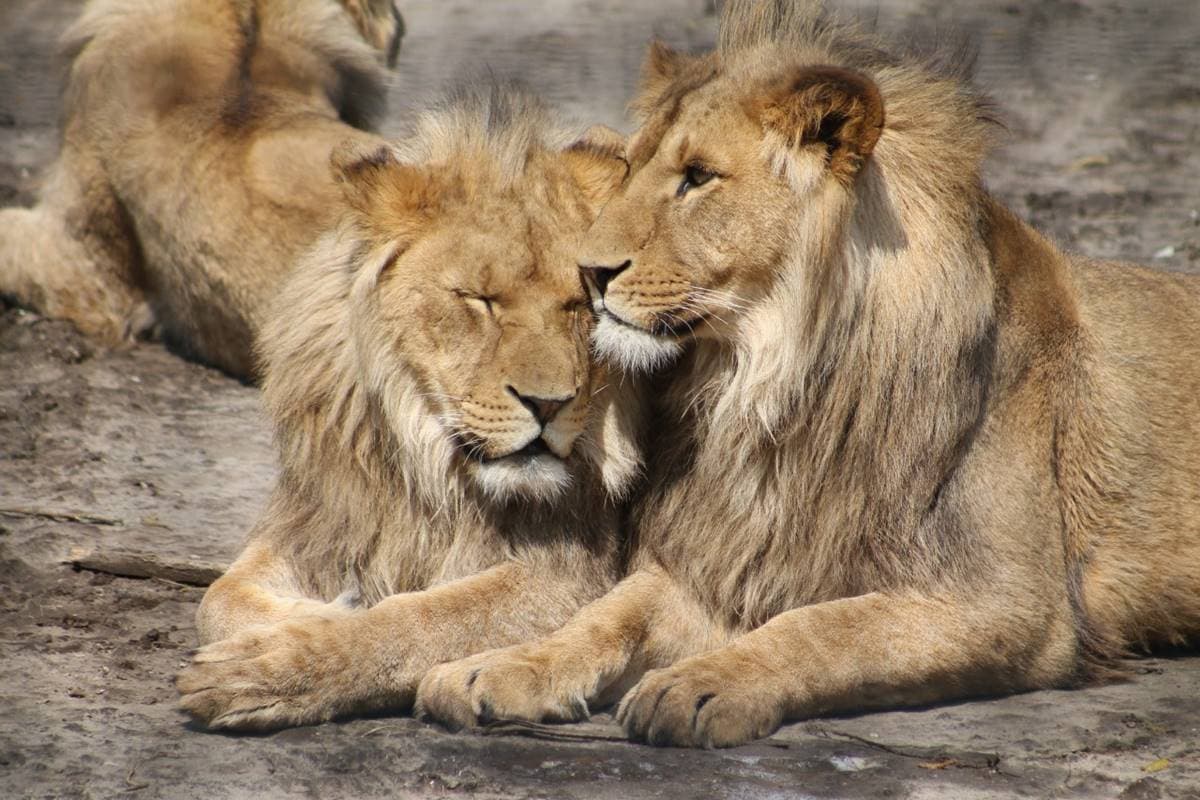
Ten lions were found dead in Tanzania’s Ngorongoro Conservation Area on Friday (18/9). The site is declared a World Heritage Site by UNESCO. According to local authorities, preliminary analyses indicate that the animals ingested poison, but the substance and intentionality are still unknown.
The Ngorongoro Conservation Area, where the bodies were found, mobilized experts to determine the exact cause of the incident and identify those responsible. To date, there is no information on which substance may have caused the deaths. The source did not detail whether there are suspects or lines of investigation underway.
Research seeks to identify substance and responsible
Local authorities are committed to clarifying the case. According to the Ngorongoro Conservation Area, experts are working to determine the cause of the incident and identify those responsible. Despite the efforts, it is still not known what poison was used.
The lack of information on the substance makes it difficult to understand the scenario. It is unclear whether the poisoning was intentional or accidental. The region has already recorded similar cases involving other species, which widens the concern of the authorities.
Recent history includes elephant deaths in Kenya
In June, about 20 elephants died in Kenya, near the border with Tanzania. The deaths were also linked to an alleged poisoning. However, local authorities were unable to ascertain whether the poisoning was accidental.
This previous episode shows the vulnerability of the fauna in the region. The geographical proximity between the two cases raises questions about possible patterns. Still, there is no evidence that directly connects the two incidents.
Land conflicts mark the Ngorongoro region
The area is the scene of conflicts between local authorities and nomadic communities living on the site. In 2022, the government began an evictions program, which intensified tensions. The conflicts have already left fatalities, according to available information.
These frictions can influence conservation dynamics. The human presence in areas destined for wildlife generates disputes over land and resources. Animal poisoning can be a consequence of these clashes, although there is no confirmation for the case of lions.
Population growth pushes for protected areas
According to the Tanzanian government, population growth is advancing over areas destined for wild animals. The population of Ngorongoro has increased from about 8,000 people in 1959 to more than 100,000 in 2026. This significant increase generates pressure on the ecosystem.
Human densification can lead to more conflict and practices harmful to wildlife. The coexistence between communities and wild animals becomes increasingly challenging. The authorities seek to balance conservation and human needs, but the challenges are complex.
Impact on conservation and next steps
The death of ten lions represents a blow to local biodiversity. The species is a symbol of African wildlife and attracts tourists from all over the world. The incident could affect the area’s reputation as a safari destination and the regional economy.
The investigations are still ongoing. The Ngorongoro Conservation Area has not released any deadlines for completion of the reports. The international community and conservation organizations follow the case closely. The outcome may influence protection policies in the region.
Meanwhile, the local population and wildlife advocates await answers. The elucidation of the case is essential to avoid further deaths. The Boca no Trombone Portal will continue to follow the unfolding of this story.
Read Also
U.S. and Denmark close Greenland deal
Mosque attack leaves 21 dead in Pakistan
Resignation for chemotherapy generates compensation of R$ 1.1 million
Font
Metropoles.com
UNESCO (www.unesco.org)