UEPG receives 55 new professors after first competition in 10 years
UEPG receives 55 new permanent professors after the first competition for permanent teaching staff conducted by the university in 10 years

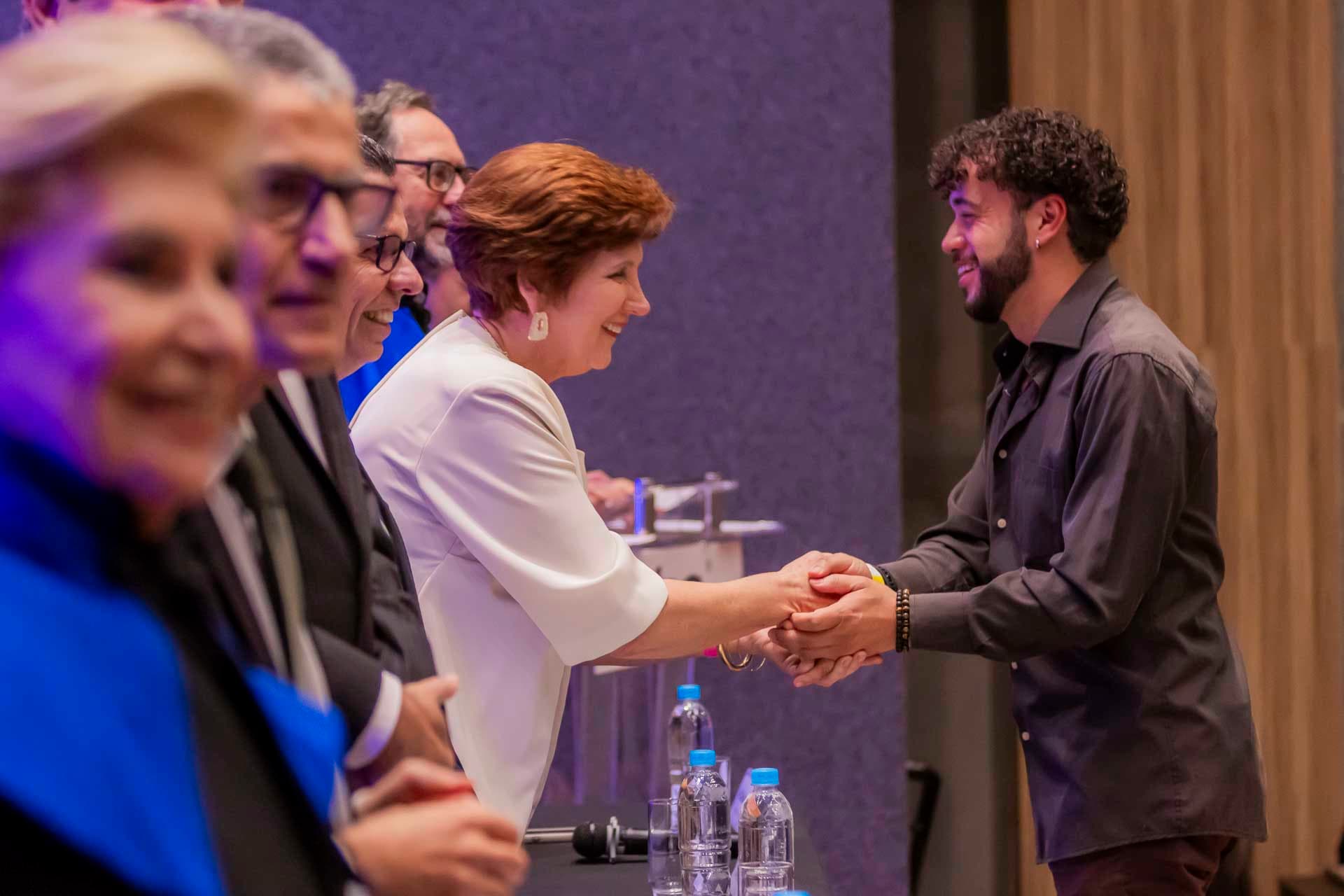
The Ponta Grossa State University (UEPG) received 55 new effective professors in 2026, after holding the institution’s first public tender for permanent professors in a decade. The last event of this kind had taken place in 2016.
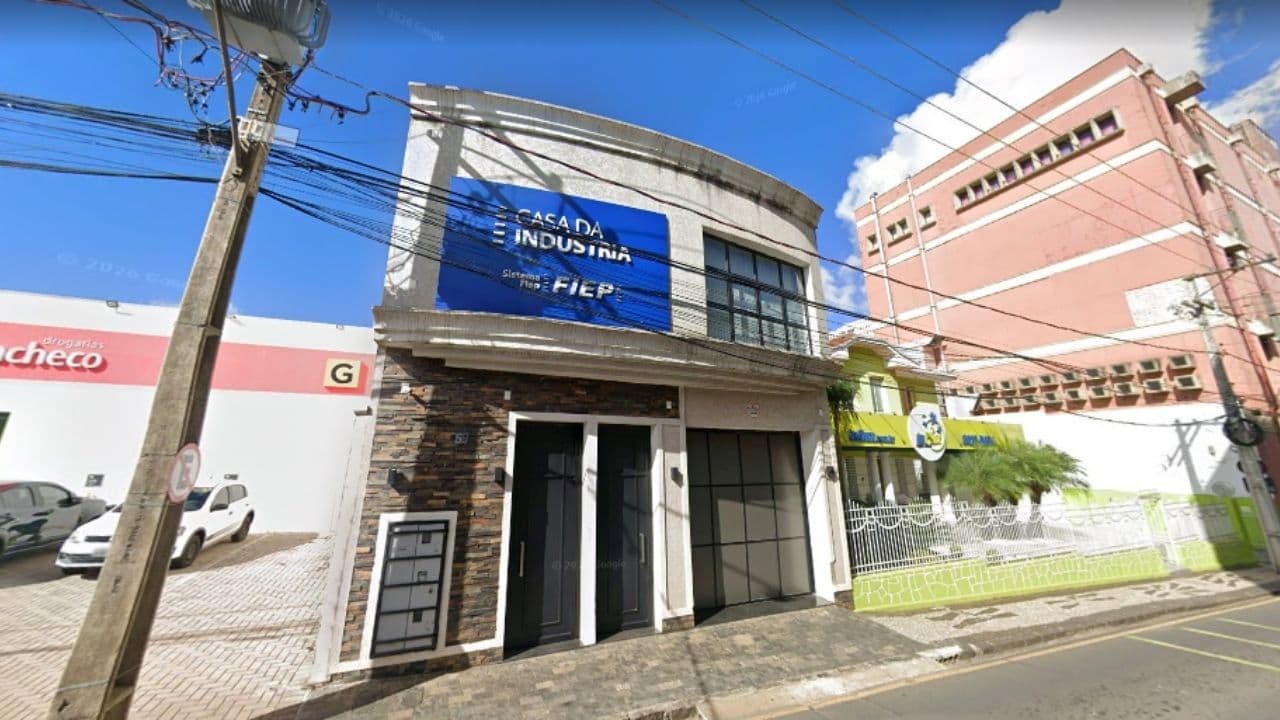
The new teachers were officially received on August 31, during a ceremony held in the auditorium of the Commercial, Industrial and Business Association of Ponta Grossa (Acipg). The inauguration took place on the same date as the transition of the university's rectory.
The contest had more than 1,000 candidates.
According to UEPG, more than a thousand people have applied for the public tender, considered one of the largest teacher selection processes ever carried out by the institution.
The candidates passed a written test, held on March 15, 2026, in addition to a didactic test with argument. Depending on the disputed area, there was also practical evidence. The classification also took into account the evaluation of titles and the presentation of a work plan involving teaching, research and extension.
Professor Silas Moro, who chaired the committee responsible for the process, highlighted the size of the competition and the participation of evaluation panels from different regions of Brazil.
Teachers come from different states
The new group of teachers brings together professionals with different academic and professional trajectories. Some of them already worked at UEPG as a temporary professor under the Cres regime and now they are permanently integrated into the university framework.
Two professionals also acted as effective university agents and moved on to the teaching career.
There are also teachers from different cities of Paraná and states such as Minas Gerais, São Paulo, Santa Catarina and Rio de Janeiro, in addition to the Federal District.
For the pro-dean of People Management, Eliane Rauski, the arrival of the professionals represents a renewal of the faculty and contributes to strengthen teaching, research and regional development.
UEPG highlights recomposition of the teaching staff
The current dean of UEPG, Professor Ivo Mottin Demiate, stressed that the contest allows the recomposition and renewal of the faculty of the university.
According to him, the new teachers arrive with different experiences and trajectories, strengthening departments and expanding the possibilities of the institution in the areas of teaching, research and extension.
The former dean Miguel Sanches Neto also stressed the importance of hiring new servers and professors for the maintenance of the public university inside the Paraná.
The institution states that the entry of new professionals also contributes to the permanence of researchers and highly qualified workers in Ponta Grossa and Campos Gerais.
New trajectories within the university
Among the professionals appointed is Letícia Col Debella Santos, of the Department of Civil Engineering. She worked for nine years as a collaborating teacher at UEPG and subsequently joined as a civil engineer in the Pro-Rectory of Planning. Now, it becomes part of the effective teaching staff after approval first in the contest.
Another new teacher is Katherine Fischer from the Department of Language Studies. Graduated in Architecture and Urbanism and in Letters Libras, she has experience in the education of the deaf and arrives at the university to also act in the valorization and teaching of the Brazilian Sign Language (Libras).
The UEPG offers Libra license in Bachelor of Arts since 2023.
The new staff also includes Professor Carla Regina Moreira, from the Department of Social Work. She has experience in areas such as prison system, health, third sector, Justiça Federal, care for women victims of violence and Forças Armadas.
With the entry of 55 new effective professors, UEPG strengthens the cadre of professionals responsible for the undergraduate, graduate, research and extension activities developed by the university in Ponta Grossa and in the region.