Why Are Meme Candidates Rare in U.S. Elections?
While Brazil has a history of caricature candidates, the U.S. rarely sees similar profiles on ballots. Experts point to the district system and partisan primaries as main barriers. Nonetheless, digital influencers are trying to turn fame into votes in midterm elections.

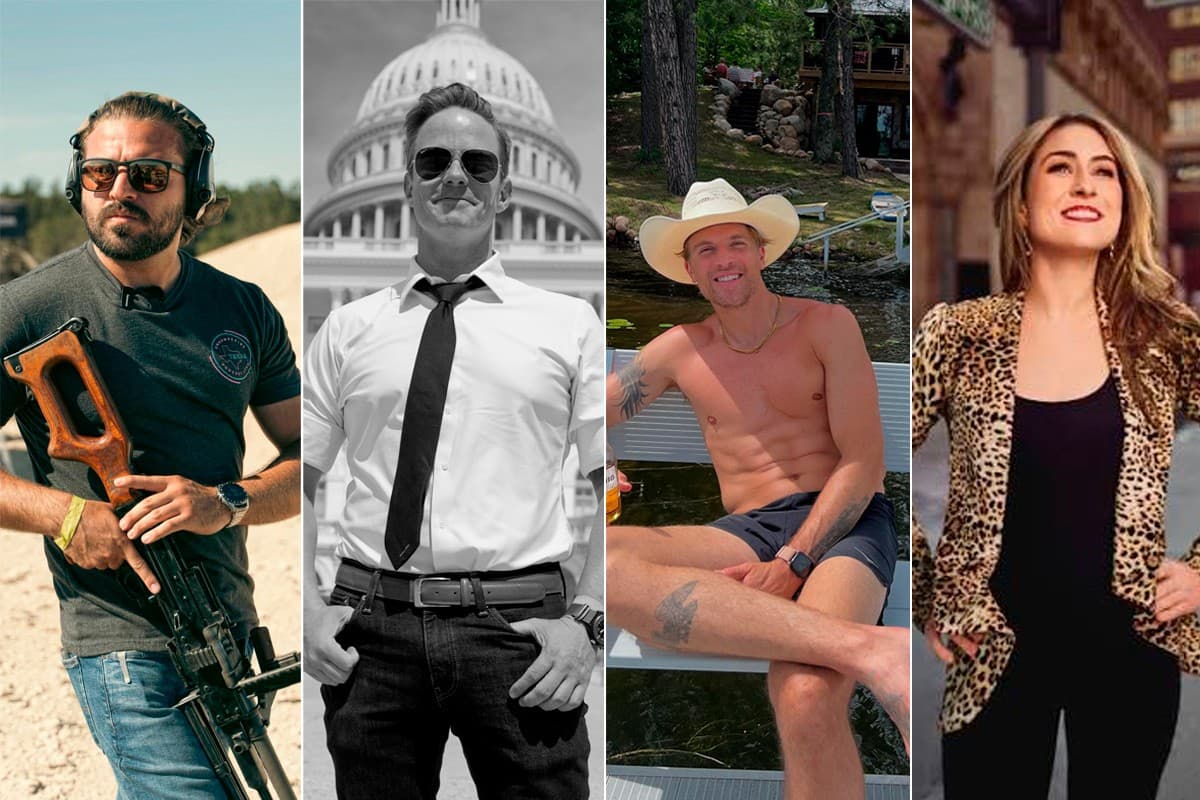
While Brazil has already elected clowns, singers and folk figures, the Estados Unidos rarely see ‘meme’ candidates vying for public office. In the midterms elections, which take place on November 3 to elect governors and representatives in Congress, the G1 did not find any competitors with a profile similar to those who succeed in the Brazilian ballot box. The explanation goes through the American electoral system, which filters out unusual candidates even before the vote.
Party Previews Filter Unprepared Candidates
In the United States, the two main parties — Democrat and Republican — hold primary elections to define who will be the official candidate in each district. This process, according to experts, tends to eliminate names less prepared or with proposals considered irrelevant to the local electorate. Unlike Brazil, where anyone can run for office and appear at the ballot box, the American path requires prior approval within the party.
The commentator of GloboNews, Marcelo Lins, points out that the logic of district voting also influences the profile of candidates. “In the U.S., that logic changes because the vote is district,” he explains. As each district elects its representative, voters tend to choose people directly connected to the community, with concrete proposals for local problems.
District Vote Values Connection with the Community
The American district system makes candidates need strong identification with the specific demands of their region. This reduces the space for national caricatures, which in Brazil are often elected by the vote of legend or by the media appeal. In the United States, the voter votes on a name to represent his or her district in Congress, not on a party list.
Still, a growing trend in Brazil also appears in the American elections: the attempt by celebrities and digital influencers to turn fame into a mandate. Active online presence can bring benefits such as greater reach and fundraising, but it does not guarantee success at the polls.
Influencers try to convert followers into votes
In Texas, youtuber Brandon Herrera, known as "The AK Guy" and with more than 4 million subscribers on his gun channel, is vying for a seat in the House of Representatives for the Republican Party. He had already tried to get to Congress in 2024 and now tries again. Despite his digital popularity, Herrera faces competition from traditional party politicians.
Another example is Adam, a former agente secreto of the CIA who has become an influencer of geopolitics. After leaving the agency, he amassed thousands of followers publishing international security and conflict analysis with Iran. Adam ran for the Democratic primary in Virginia's 8th district, but came in third with just over 9,000 votes. The current Democratic representative, Donald Sternoff Beyer Jr., won with more than 69% of the vote and will seek re-election.
Fame does not guarantee victory in the primaries
The actor known for the reality show "Summer House" tried to be the Democratic candidate in Minnesota's 8th district but lost the primaries. He came in second with 17.1% of the vote. Trina Swanson is a public servant with 25 years of experience in the Citizenship and Immigration Service of Estados Unidos (USCIS).
Cases like these show that, even with visibility on social media, candidates need to convince primary voters, who tend to be more engaged and demanding. The American party structure functions as a filter that makes it difficult for profiles considered eccentric to arrive until the general election.
Bold strategies to attract young voters
Shelby, a 32-year-old American law school graduate, was not famous on social media when she decided to run for the House of Representatives for the 13th district of Michigan. To win young voters, she created campaign profiles on Instagram and TikTok under the name @shelby4congress and started posting dance videos, including twerking. The profiles were later removed from the air.
Shelby’s strategy, though controversial, illustrates the attempt to use digital language to stand out in a traditional political environment. However, the source did not detail the outcome of his candidacy in the primaries.
What to Expect from 2026 Midterms
The midterm elections in the US will define governors and new representatives for the Congresso Nacional and state chambers. Although ‘meme’ candidates are rare, the presence of digital influencers should continue to grow, reflecting the importance of social networks in contemporary politics.
For the Brazilian reader, the comparison between the electoral systems helps to understand why figures like Tiririca would hardly have a place in the US. While Brazil allows separate candidacies and proportional voting, the American model requires party approval and strong district bond. Follow the full coverage of the U.S. elections on the Boca no Trombone portal.
Read Also
Flávio Bolsonaro suggests to run for Presidency before 2030
ELN bombing leaves dead in Venezuela, NGO says
U.S. not involved in exit of Flávio Bolsonaro, says Rubio
Font
g1.globo.com