Wolbachia reduces dengue by 68.5% in Belo Horizonte
The release of Aedes aegypti mosquitoes carrying the Wolbachia bacteria in Belo Horizonte resulted in a 68.5% reduction in dengue infections among school-age children. The data also shows a 73.3% decline in chikungunya cases. The bacteria spreads naturally among mosquitoes, making it harder for viruses to transmit.

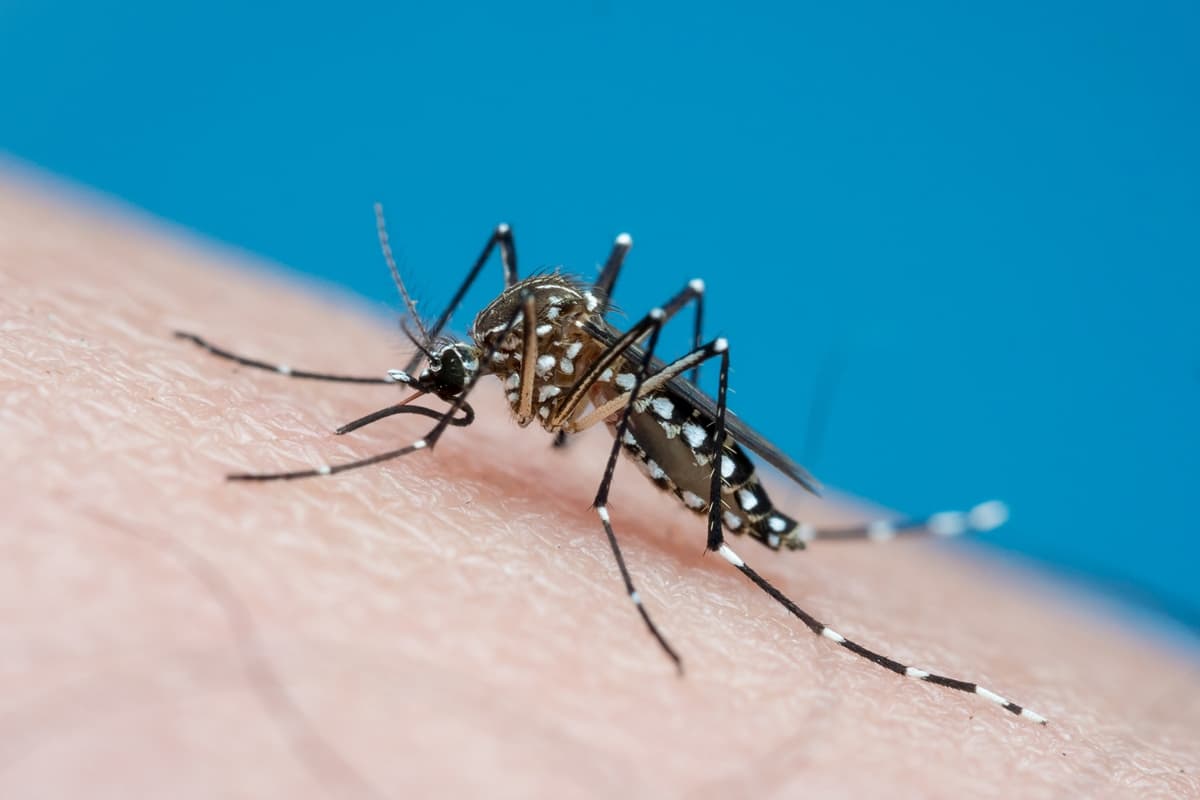
The release of Aedes aegypti mosquitoes carrying the Wolbachia bacterium reduced arbovirus infections among school-age children of Belo Horizonte (MG) by 68.6%. The data is part of a survey that assessed the impact of the strategy in the mining capital, where the mosquito is the main vector of diseases such as dengue, zika and chikungunya. The initiative is to release mosquitoes with the bacterium, which spreads naturally in the local population of insects.
When analyzed separately, dengue infections fell 68.5%, and chikungunya infections fell 73.3%. The figures reinforce Wolbachia’s potential as a complementary tool in the control of these diseases, which burden the health system every year, especially in rainy periods.
What is the Wolbachia bacterium
Wolbachia is a common bacterium in nature, found in about half of the planet’s insects. In Aedes aegypti, it hinders the transmission of dengue, Zika and chikungunya viruses. As the females pass the bacterium to the pups, it spreads among the mosquitoes of the region as they reproduce.
This means that, over time, the population of local mosquitoes becomes less able to transmit these diseases. The strategy does not eliminate the mosquito, but reduces the risk of infection in the community. The source did not detail the exact period of release nor the number of mosquitoes released in Belo Horizonte.
Results among school-aged children
The survey focused on school-aged children, a group that often spends a lot of time in environments with potential exposure to mosquitoes, such as schools and outdoor recreation areas. The 68.6% reduction in arbovirus infections in the joint analysis indicates that the intervention had a significant effect in this age group.
Separated by disease, the drop of 68.5% in dengue cases and 73.3% in chikungunya cases shows that protection was not limited to a single virus. Zika, although cited as one of the diseases affected by Wolbachia, had no percentage reduction reported by the source.
How Wolbachia Ages in the Mosquito
Within Aedes aegypti, the bacteria compete with viruses, making it difficult to replicate and transmit to humans. This mechanism is natural and does not involve genetic modification of the mosquito. Wolbachia is transmitted from female to cub, which ensures its permanence in the insect population over generations.
Over time, the proportion of mosquitoes with the bacteria increases, creating a biological barrier against the circulation of viruses. The source did not detail whether there was a need for further releases after the first intervention in Belo Horizonte.
Impact on public health
The significant reduction in dengue and chikungunya infections has direct implications for the health system. Fewer cases mean fewer hospitalizations, fewer school leavers and less pressure on pronto atendimento units, especially in times of epidemic.
In addition, the strategy can be combined with other control measures, such as elimination of breeding grounds and use of repellents. The source did not say whether the initiative would be expanded to other Belo Horizonte regions or to other municipalities.
Next steps and monitoring
Continuous monitoring is essential to assess the durability of the effect of Wolbachia on the mosquito population. The source did not detail whether there are plans for new evaluations or expansion of the program. In the meantime, health authorities continue to recommend individual and collective preventive measures.
For readers of Ponta Grossa and region, the experience of Belo Horizonte serves as a reference for possible future actions on the Paraná, although the source does not mention any project in the state. Follow the Boca no Trombone Portal for updates on the topic.
Read Also
Interrupting antidepressants in pregnancy raises mental health risk
Can the patient refuse medical treatment? See what the law says
Font
Metropoles.com
Bori magazine (abori.com.br)