79% do eleitores não seguem líder religioso para votar, diz Quaest
Survey by Quaest reveals that 79% of voters are not influenced by religious leaders in choosing their presidential vote. The research details variations by region, religion, gender, education level, and income.

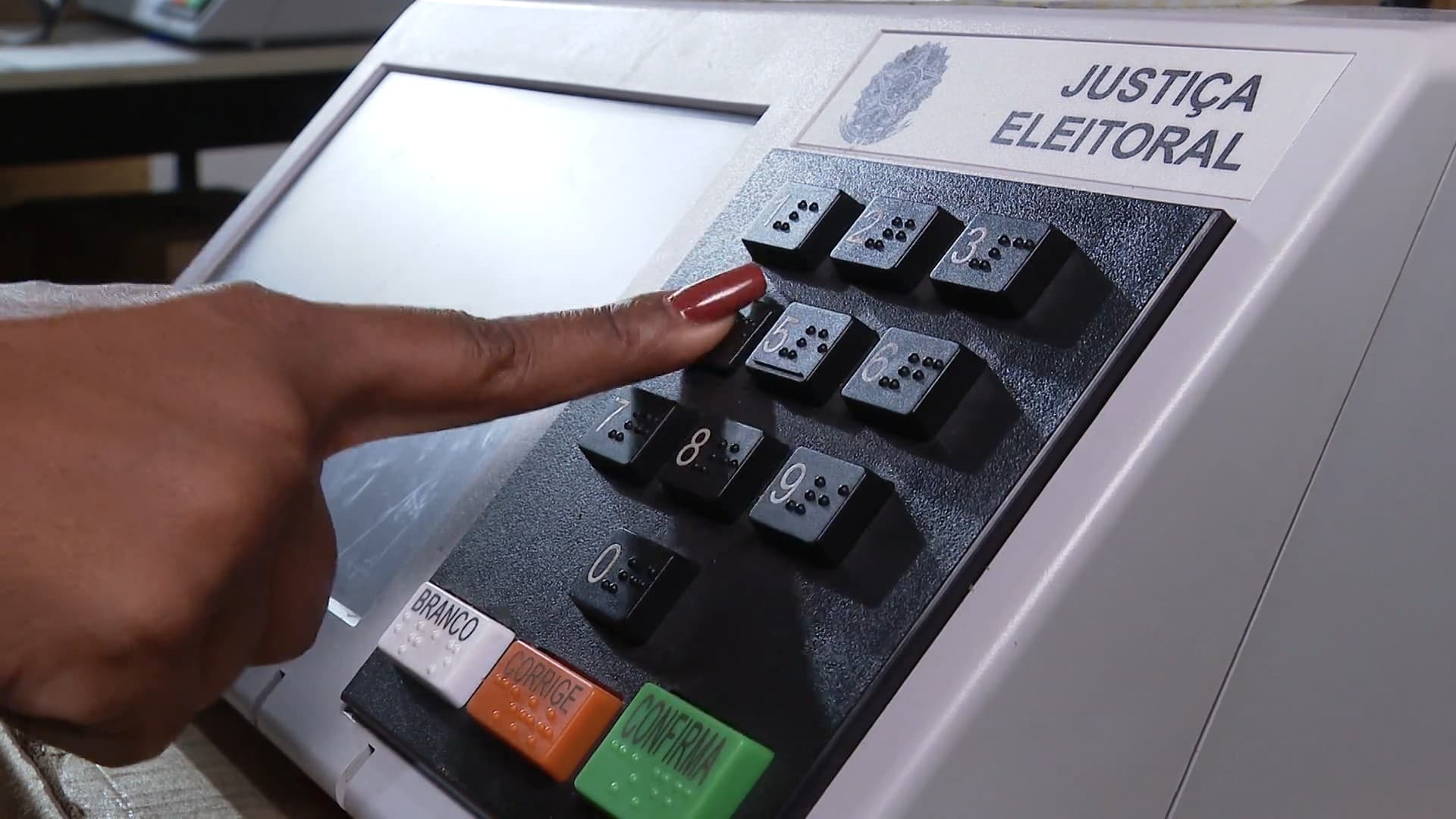
A survey released by Quaest shows that the opinion of religious leaders does not influence the choice of vote for president for 79% of Brazilian voters. The survey directly questioned the level of influence of these leaders in the electoral decision. The data reveal a scenario of low adherence to religious orientations at the time of voting.
The figures show that only a minority considers the position of religious leaders as relevant. The research also details significant variations between different demographic groups, such as region, religion, gender, education and income.
Regions show differences in religious influence
The Midwest/North was the region that gave the lowest non-influence rate, with 75%, while the South presented the highest percentage, with 80%. In the positive responses, Northeast and Midwest/North appear ahead of the others, with 13% of voters stating that the opinion of religious leaders greatly influences their choice.
These data indicate that, although most reject the influence, there are regional pockets where religious orientation has more weight. The transition between the regions shows a heterogeneous country in this respect.
Catholics and evangelicals have different perceptions
Among Catholics, 81% considered there was no influence and 9% said there was. Among evangelicals, 79% responded negatively and 13% favorably. The difference between religious groups is small, but evangelicals show a slight greater tendency to consider the opinion of their leaders.
The numbers suggest that religious influence in voting is not uniform among denominations. The research did not detail the reasons for these differences.
Independent and partisan voters differ
Both independent voters (80%) and Lulistas (77%) and bolsonaristas (74%) gave more negative answers to the relevance of religious leaders to define vote. Among those who consider the leader’s view to be very influential, they were 9% among independents and 13% among Lulistas and bolsonaristas.
The data shows that even among supporters of candidates with strong religious appeal, most do not blindly follow the guidelines of leaders. The survey did not specify whether these percentages vary according to the candidate supported.
Women and men have similar perceptions
Women responded 81% that does not influence and 8% that influences. Among men, there were 77% of "no influence" versus 11% of "very influence". The gender gap is small, but women show a slight tendency to reject religious influence more.
These numbers indicate that gender is not a determining factor in the relationship between religion and voting. The research did not detail other demographic variables.
Schooling and income affect influence
There is a difference between people with elementary education, with 79% of non-influence, and those with higher education, with 86% in this sense. The indexes of much influence are 11% among those who have ensino médio and 10%, elementary school.
Similar difference occurs in the income segment: those who receive up to 2 minimum wages answered 75% for not influencing, while those who receive more than 5 wages, 83% for this criterion. There were 12% of positive responses among the poorest and 7% among the richest.
The data suggest that higher education and income are associated with less religious influence in voting decision. The research did not explore the causes of this correlation.
What does it mean for elections
The results of Quaest indicate that, despite the active presence of religious leaders in politics, the majority of voters do not let themselves be guided by their opinions when voting for president. This can have implications for campaign strategies that seek religious vote.
For candidates, the data suggests that direct appeal to religious leaders may have limited reach. The survey did not assess influence in other elective positions.
The Quaest survey offers a current portrait of the relationship between religion and politics in Brazil. For more information on the electoral scenario, continue to follow the Boca no Trombone.
Read Also
Quaest: corruption and democracy weigh on the vote
September 7th Parade has reserved conversations
Protests call for Moraes’ impeachment on September 7
Font
g1.globo.com