Castro creates permanent Municipal Committee for prevention and control of dengue, chikungunya and zika
The Committee should monitor the planning of the Municipal Health Secretariat, the Municipal Health Plan, the Municipal Contingency Plan and the epidemiological and entomological indicators of the city, prioritizing areas and locations of higher risk.

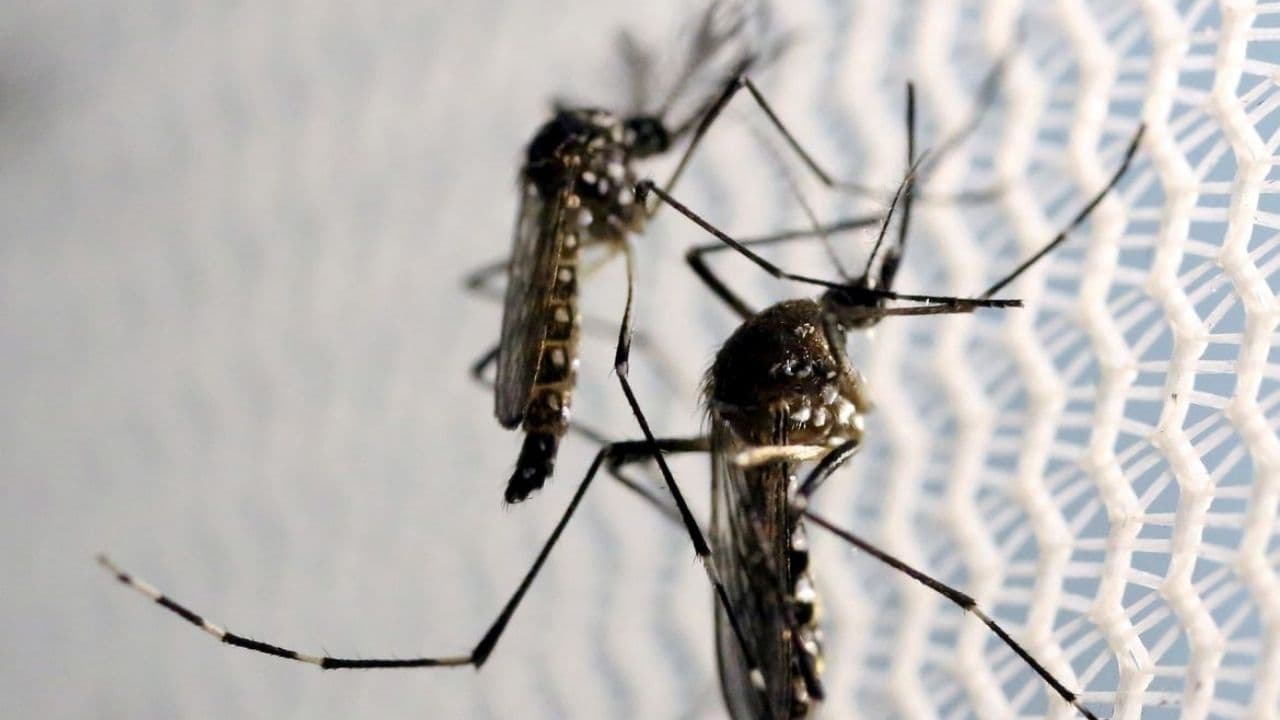
The Municipality of Castro instituted the Municipal Intersectoral Committee for Prevention and Control of Dengue, Chikungunya and Zika, through Decree No. 767/2026, published in the Official Gazette on Tuesday (20). The group will have a permanent character and the purpose of articulating, planning and integrating all the municipal actions to confront the arboviruses transmitted by Aedes aegypti.
According to the decree signed by the mayor, the Committee was created on the basis of Federal Law 8.080/90, state laws on health surveillance and the resolutions of the State Secretariat of Health of Paraná (SESA), in particular Resolution SESA no 825/2026, which establishes criteria for the evaluation of the Municipal Dengue Control Program.
The text also considers the National Guidelines for the Prevention and Control of Arboviruses of the Ministry of Health, 2025 edition.
How will it work?
The Committee should observe the planning of the Municipal Health Secretariat, the Plano Municipal of Health, the Plano Municipal of Contingency and the epidemiological and entomological indicators of the municipality, prioritizing areas and localities of greatest risk.
Competences include:
- Promote the articulation between secretariats and public bodies;
- Monitor periodically the epidemiological and entomological scenario;
- Analyze indicators and propose targeted actions;
- Plan intersectoral actions to combat the mosquito.
The Committee shall be composed of representatives of all the Municipal Secretariats and of the Attorney General's Office. Each folder must indicate a holder and an alternate within 10 days of the publication of the decree.
The Municipal Health Secretariat will have the highest representation, with members of Environmental Surveillance, Epidemiological, Sanitary, Health Surveillance, Primary Care, Coordination of Endemias and Communication. The Presidency should also ensure the participation of the Municipal Health Council and organised civil society.
Structural
The committee will have five nuclei:
I - Presidency
II - Vice-Presidency
III - Executive Secretariat
IV - Technical Committee
V - Mobilization Committee
The Presidency, Vice and Executive Secretariat will be with the Secretariat of Health. The Technical Commission will take care of the indicators and technical measures, while the Mobilization Commission will be responsible for health education, campaigns, actions in schools, public spaces, companies and urban and rural communities.
Ordinary meetings will be monthly, with a defined annual calendar, and extraordinary whenever there is a change in the epidemiological scenario. All must be recorded in minutes, with a list of attendance, deliberations, responsible and deadlines.
Participation in the Committee shall be considered a relevant and unpaid public service. The representative who has 3 consecutive faults or 4 alternated without justification in 12 months may have the requested replacement.
The decree repeals Municipal Decree No. 687/2025 and enters into force on the date of its publication.
Read also: Reserve leads regional hiring ranking in September; see other cities