Dogs go through 6 stages of life; see which stage your pet is in
Dogs go through six development stages, each with specific physical and behavioral changes. Knowing these stages helps tutors provide the appropriate care at each moment of the animal's life.

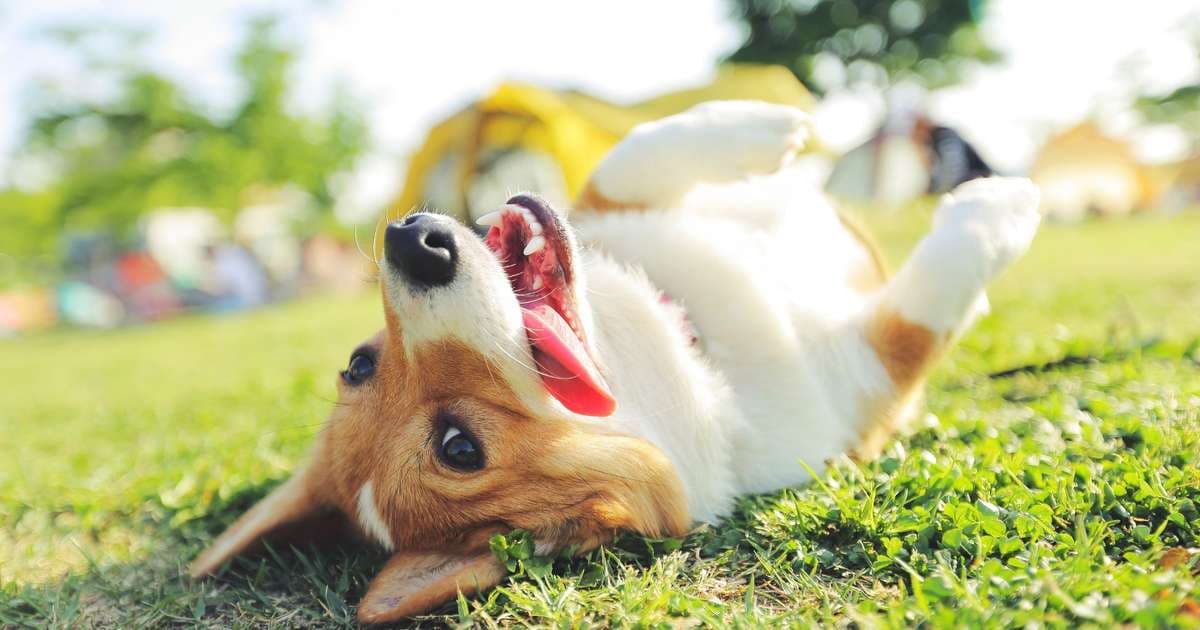
Dogs go through six phases of life, and understanding each of them is essential to offer the proper care to the pet. The phases of dogs’ lives help them understand changes in behavior, energy, and needs over the years. The information was shared by a professional in an Instagram post.
"They go through physical and behavioral changes in every phase of life, and it is important to know these phases so that we can better understand them and thus provide a lot of cool things for them," explained the professional in the publication.
First weeks: puppy discovers the world
Between about 13 and 20 days, the puppy begins to better perceive the surrounding environment. The eyes open, the hearing begins to work and the first steps appear. Around the 20th day, the first tooth may also appear.
At this early stage, the puppy is still totally dependent on the mother and human care. The environment should be calm, warm and safe, as the sensory system is in full development. Gradually, the animal begins to explore space, rehearsing interactions with siblings and people.
It is a period of intense discoveries, in which adequate stimuli contribute to the neurological and social formation of the puppy. The transition to the next stage occurs gradually, as the pet gains autonomy and motor coordination.
Canine pre-adolescence: energy in high
From about 12 weeks until puberty, so-called canine pre-adolescence begins. The body growth continues, the exchange of coats occurs and the energy level usually increases. Therefore, establishing a routine with games, activities and limits becomes even more important.
During this period, many tutors notice that the dog becomes more agitated, curious and tests the limits of the environment. The coat may become irregular during the exchange, requiring frequent brushing to remove the dead and stimulate the skin. The feeding should be adjusted according to the size and the rate of growth, always with veterinary guidance.
Play should include mental challenges, such as interactive toys and basic obedience commands. This helps to channel energy in a positive way and strengthens the bond with the family. At the end of this phase, the dog enters puberty, when hormones begin to influence behavior.
Adult phase: routine and balance
Although the source has not detailed the exact age of adulthood, it is possible to infer that it begins after puberty and extends to approximately 7 years. At this stage, the dog reaches full physical development and tends to have a more stable energy level.
Maintaining a consistent routine of exercise, balanced eating and regular visits to the veterinarian is critical. The tutor should observe subtle changes in behavior, such as less willingness to play or changes in appetite, which may indicate need for adjustments.
The adult phase is the time to consolidate training and strengthen affective bonds. Adult dogs usually respond well to commands and adapt to the routine of the house, provided they receive adequate stimuli. The transition to old age varies according to race, size and individual characteristics.
Elderly phase: redoubled care
From about 7 years, many dogs enter the elderly phase, although this milestone can also vary according to breed, size and individual characteristics. Walks and play are still important, but they must respect the rhythm of the animal. The diet also deserves attention, as well as health care, since age-related changes can begin to arise.
At this stage, it is common for the pet to have decreased energy, longer sleep time and less interest in intense activities. The tutor must adapt the environment by offering comfortable beds, access ramps and non-slip floors to prevent falls. Semester veterinary consultations are recommended to monitor kidney, heart and joint functions.
The feeding of the elderly dog may require specific feeds, with lower calorie content and greater joint support. Supplements such as omega 3 and chondroprotectors can be indicated by the veterinarian, as individual need. Care and patience are essential to ensure quality of life at this stage.
Why Knowing the Stages Matters
Understanding the six phases of canine life allows the tutor to anticipate needs and avoid problems. Each stage requires adjustments in routine, feeding and preventive care, which directly impacts the longevity and well-being of the animal.
In addition, recognizing signs of transition between phases helps to identify health changes early. A dog that was previously active and refuses to walk may be entering old age or presenting some clinical condition. Attention is the best tool of the tutor.
The professional who disclosed the information did not detail all the phases, but highlighted the importance of understanding canine development. For Ponta Grossa and regional tutors, local veterinary clinics offer personalized guidance for each stage of the pet’s life.
If you want to know more about animal behavior, feeding or preventive health, continue browsing the Boca no Trombone portal. We have updated content to help you take better care of your four-legged companion.
Read Also
Dogs see blue and yellow with more focus
Cat looking at the wall: what is he seeing?
Font
www.terra.com.br