Dogs see blue and yellow with more focus
The dichromatic vision of dogs makes blue and yellow stand out, while red and green lose contrast. This influences toy selection, focus levels and performance in training.

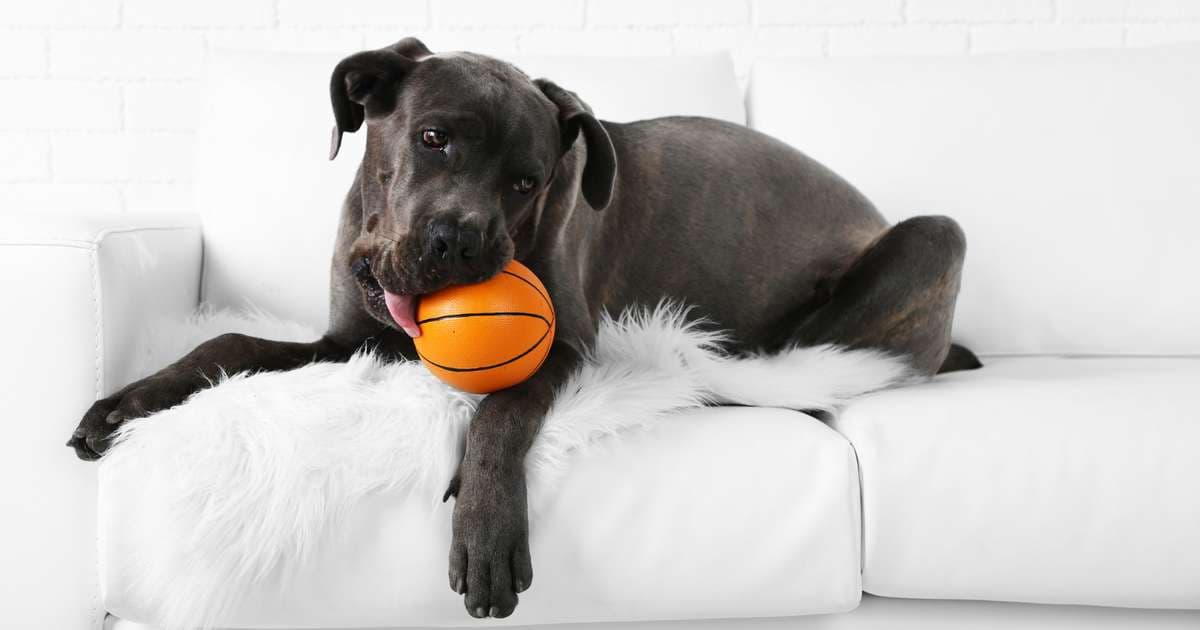
Whoever lives with dogs knows that the time of play is sacred. But have you ever noticed that some toys seem to get your pet’s attention more than others? The explanation lies in the way dogs see the world. According to experts, the little hairy ones have dichromatic vision, that is, they see with more intensity within the blue and yellow spectrum. On the other hand, red and green lose strength and assume grayish or brownish tones, with much less contrast.
This means that the choice of colors of the objects can directly influence the interest of the animal. The source consulted by the report did not detail when or where the survey was carried out, but the data help to understand a common behavior on a daily basis. Next, see how this visual feature impacts the routine of dogs and their tutors.
Dichromatic view defines prominent palette
Dichromatic vision is a condition in which the eye has only two types of cones — cells responsible for color perception. In dogs, this results in a reduced palette, in which blue and yellow appear more vividly. The red and green, which for humans are vibrant tones, become faded, tending to gray or brown.
This difference is not a defect, but an evolutionary adaptation. Dogs do not need to distinguish as many colors as humans, as they depend more on smell and hearing. Still, the perception of contrast is critical for them to identify moving or standing objects. Therefore, toys that explore the right colors tend to be more efficient.
Blue and yellow toys attract more attention
In practice, the choice of toys in shades of blue and yellow can make all the difference. Pieces in these colors attract more attention and facilitate play, as they stand out in the visual field of the dog. A red object, for example, may mix with the environment, looking less interesting.
This is not to say that the dog completely ignores other colors, but the visual stimulus is less. For tutors who want to engage the pet, opting for blue or yellow accessories is a simple and effective strategy. The source did not detail whether there are differences between races or ages, but the general principle applies to most dogs.
Visual contrast keeps the pet interested
In addition to color, contrast is a crucial factor. Objects with higher visual contrast help to keep the pet interested for longer. This means that a blue toy on a light floor, or yellow on a dark background, will be more easily perceived and pursued.
During the games, the dog needs to locate the object quickly to have fun. If the toy is camouflaged in the environment, the activity loses its grace and the animal can be distracted by other stimuli. Therefore, considering the scenario where the pet plays is just as important as the color of the toy itself.
Workouts get more fluid with sharp signage
The impact of canine vision also appears in training. Clearer visual signals make exercises more fluid and productive. When the tutor uses gesture commands or reference objects, the clarity of color and contrast can accelerate learning.
A dog that sees the target or reward toy well tends to respond more quickly and accurately. This is especially useful in activities such as agility, obedience, and pursuit. The source did not detail specific performance studies, but the visual logic supports the recommendation.
Why it matters to tutors
Understanding how dogs see helps to create an environment that is more stimulating and adapted to the needs of the animal. Small changes, such as changing the color of the ball or the frisbee, can increase engagement and strengthen the bond between the tutor and the pet. In addition, it avoids unnecessary frustrations during the games.
For those who are in Ponta Grossa or in any city of the Paraná, the tip is valid for pet shops, parks and even for the choice of accessories at home. The report did not find specific regional data, but canine behavior is universal. Thus, the guidance applies to any tutor who wants to improve interaction with their dog.
In summary, dichromatic vision makes blue and yellow the most attractive colors for dogs, while red and green lose prominence. This characteristic influences from the choice of toys to the performance in training. By considering these factors, tutors can provide richer and more fun experiences for their four-legged companions. For more tips on the pet universe, continue to follow the Boca no Trombone portal.
Read Also
Cat looking at the wall: what is he seeing?
Do you know why November 20 is a national holiday? Understand the meaning
Font
www.terra.com.br