Fachin evaluates archiving investigation against Mendonça
The president of the STF, Edson Fachin, is analyzing the immediate archiving of Alexandre de Moraes' accusations against André Mendonça. The defense points to serious formal flaws, such as the use of apocryphal reports and the irregular inclusion of fake news in the inquiry. The decision could be monocratic, based on internal regulations.

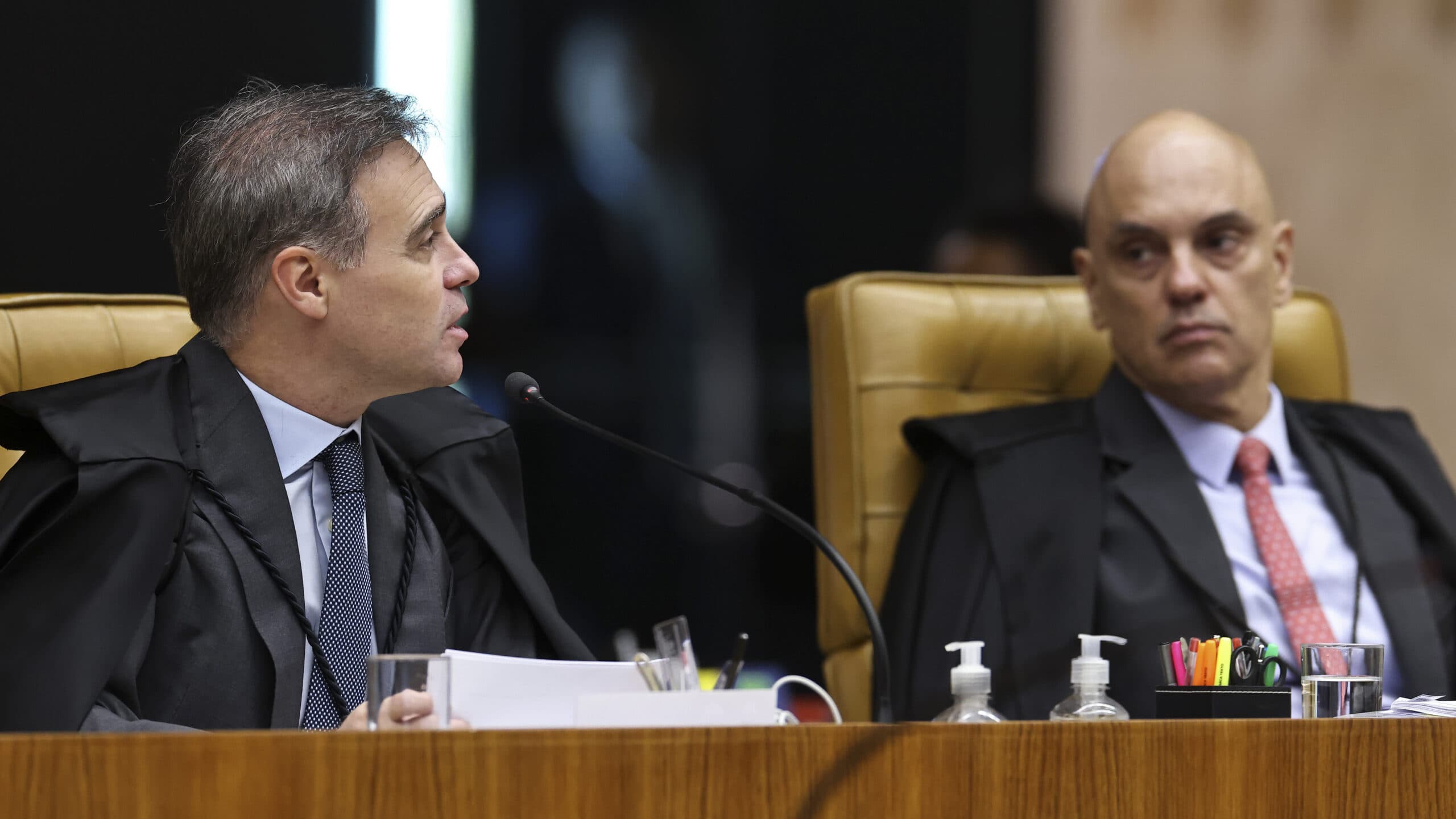
The president of Supremo Tribunal Federal, Edson Fachin, is considering the possibility of immediately ending the accusations made by Minister Alexandre de Moraes against his colleague André Mendonça. The assessment comes after Mendonça’s defense pointed to serious formal flaws in the request, including the use of unsigned intelligence reports and the irregular inclusion in the fake news inquiry on Tuesday. The decision can be monocratic, without bringing the issue to the plenary, as foreseen by the Internal Rules of the STF.
Indictment of Moraes against Mendonça
Minister Alexandre de Moraes presented a representation requesting that Mendonça be investigated for alleged abuse of authority, administrative improbity and crime of responsibility. The center of the dispute involves the action of Mendonça in processes related to Banco Master and INSS. Moraes alleges that the colleague acted with bias and political motivation to persecute him, as well as the president of the Senate, Davi Alcolumbre.
Tensions rose after Federal Police reports pointed to connections between Moraes and Daniel Vorcaro, a banker under investigation for billionaire fraud. The defense of André Mendonça contends that Moraes committed serious deviations by trying to include him directly in the 4.781 Inquiry, the one of the fake news. By the rule of the Court, investigating a minister requires plenary authorization, which would not have occurred in that case.
Formal failures and purpose deviation
In addition, the lawyers question the use of apocryphal intelligence reports, that is, without official date or signature, sent by the director of the Federal Police. Mendonça argues that intelligence actions serve the security of the State and cannot be used to fabricate evidence in criminal investigations, configuring the so-called purpose deviation. These documents, according to the defense, have no legal validity to base an investigation against a minister of STF.
The inclusion of Mendonça in the fake news survey is another central point. The defense claims that the measure was irregular, as there was no plenary authorization, as required by the regiment. The use of apocryphal reports reinforces the thesis that Moraes’ request lacks just cause, that is, minimal evidence to justify the opening of an investigation.
Possibility of monocratic decision
A monocratic decision occurs when the rapporteur or the president of the court decides alone, without bringing the issue to the vote of the other ministers. Lawyers explain that the Rules of Procedure of STF allow Fachin to deny follow-up to requests considered manifestly inadmissible or without minimum evidence, the so-called just cause. In this scenario, the president could archive the representation of Moraes without consulting the other ministers.
If Fachin understands that formal flaws are incurable, he can close the case immediately. The decision would have a direct impact on the internal crisis of the STF, which is experiencing a moment of tension between its members. The monocratic filing would avoid further wear and tear in the plenary, but could also raise questions about the president’s impartiality.
Political and legal context
The dispute between Moraes and Mendonça reflects a crack in the Supreme Court, with mutual accusations of political persecution. The involvement of the Banco Master and the INSS extends the scope of the case, which can splash in other spheres of power. The mention of the president of the Senate, Davi Alcolumbre, adds a political component to the crisis, since the parliamentarian is an ally of Moraes.
For the reader, the case matters because it involves the highest court in the country and can affect trust in institutions. The way Fachin will conduct the process will be closely watched by jurists and politicians. The outcome may set precedents for the use of intelligence reports in criminal investigations.
Next steps
So far, Fachin has not spoken publicly about the case. The expectation is that the decision will come out in the coming days, and may be monocratic or take the issue to the plenary. If filed, it closes the investigation against Mendonça; if accepted, the case continues for analysis by the other ministers.
The Boca no Trombone Portal will continue to monitor the unfolding of this crisis in STF. For more news on national politics and the backstage of the Judiciary, continue browsing our website.
Read Also
Alexandre Pires is once again the target of the Federal Police in operation against money laundering
Alexandre Salomon defends ‘the simple well done’ for the Government of the Paraná in 2026
Lula government sees US gap in the Shield of the Americas
Font
www.gazetadopovo.com