Gasoline becomes cheaper at gas stations after tax reduction; impact in Ponta Grossa and region
Survey points to national drop in fuel average price during the first half of September; drivers in the region follow pump variations

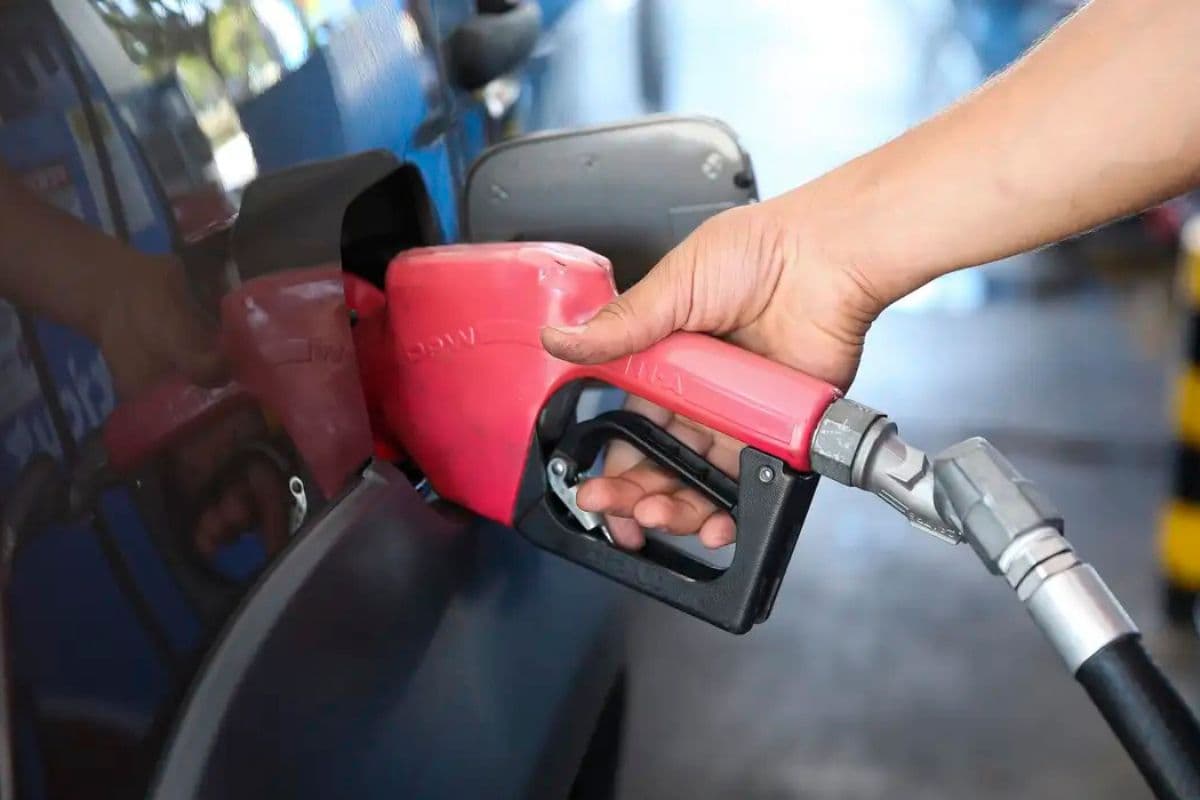
The price of gasoline showed a slight reduction in Brazilian stations after measures to reduce taxes on fuels. According to a survey by Ticket Log, the drop was 0.3% in the first half of September, a movement that also influences the fuel market in Ponta Grossa and in the municipalities of Campos Gerais.
The reduction, although small, occurs in a scenario of attention to consumers, since the fuel has a direct impact on the budget of families, the transport of passengers and the logistical cost of companies in the region.
Lula reduces PIS/Cofins by R$ 0.63 per liter and affects the price of gasoline in PG
In Ponta Grossa, city considered one of the main logistics hubs of Paraná, the variation in the price of gasoline is mainly accompanied by drivers who use the vehicle daily and by sectors that depend on road transport, such as commerce, industry and agribusiness.
Reduction comes after tax measures
The drop recorded by Ticket Log comes after changes in fuel taxation, at a time when different factors influence the final value paid by the consumer, such as price in refineries, distribution costs, logistics and resale margins.
Recent data also show that the national average price of gasoline declined in August, from R$ 6.57 to R$ 6.53 per liter, according to a survey by Ineep.
Despite the reduction, experts point out that the value of pumps does not depend only on taxes, as international oil fluctuations, exchange rates and operating costs continue to influence the market.
Impact for consumers in the region
In the Campos Gerais, where many residents use highways daily for commuting between municipalities, small changes in the price per liter may represent a difference in monthly expenditure on supplies.
For workers who depend on the car or motorcycle for professional activity, in addition to companies that use fleets, the reduction can represent a gradual saving, although the percentage recorded is still considered discrete.
The fuel market continues to be monitored, mainly in the face of international oil oscillations and the policies adopted to try to contain impacts on the final consumer.