Lula and Flávio Bolsonaro tie and have rejection above 50%, shows Quaest
In a second-round simulation, the two also appear technically tied, while negative evaluation of the government reaches 42%


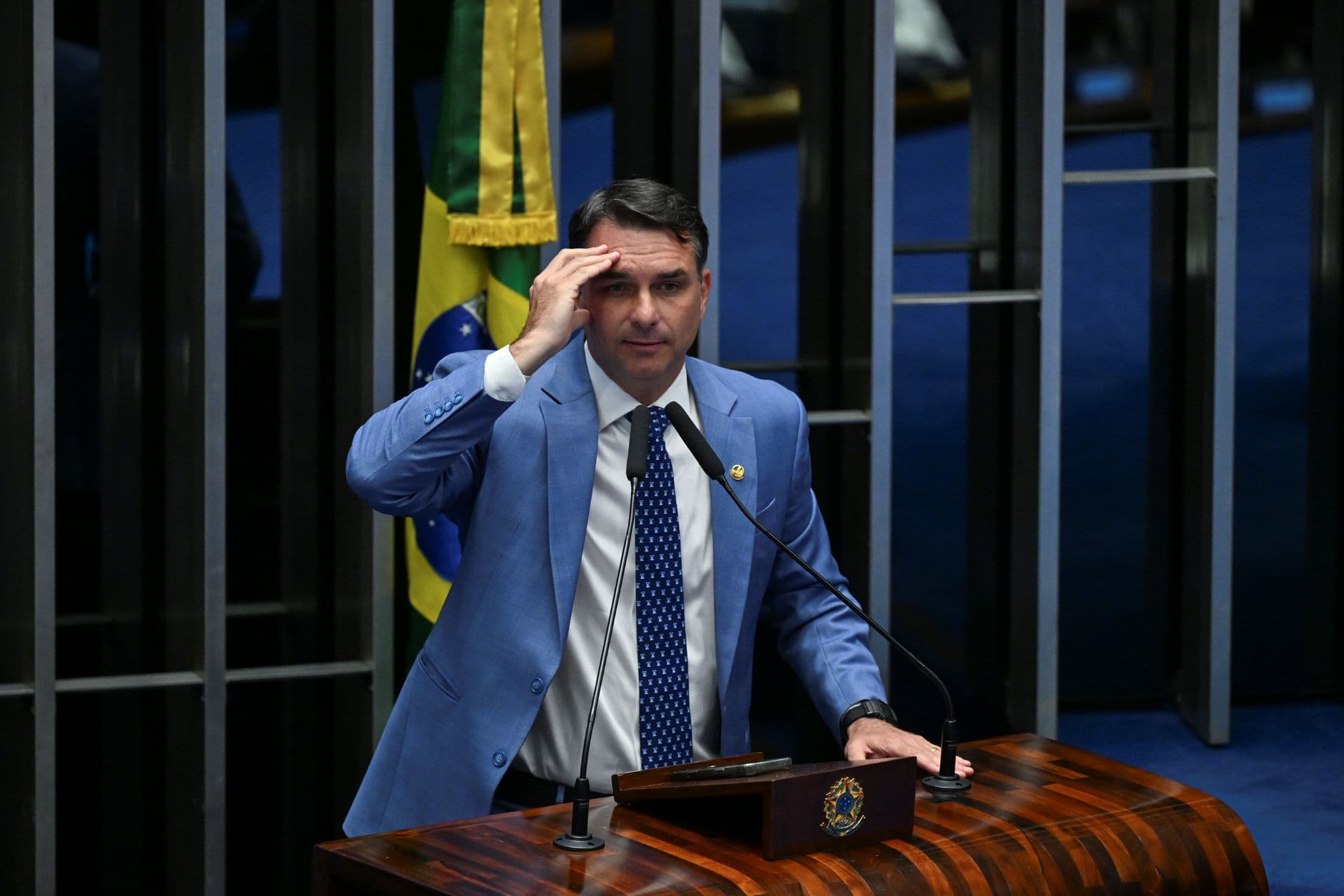
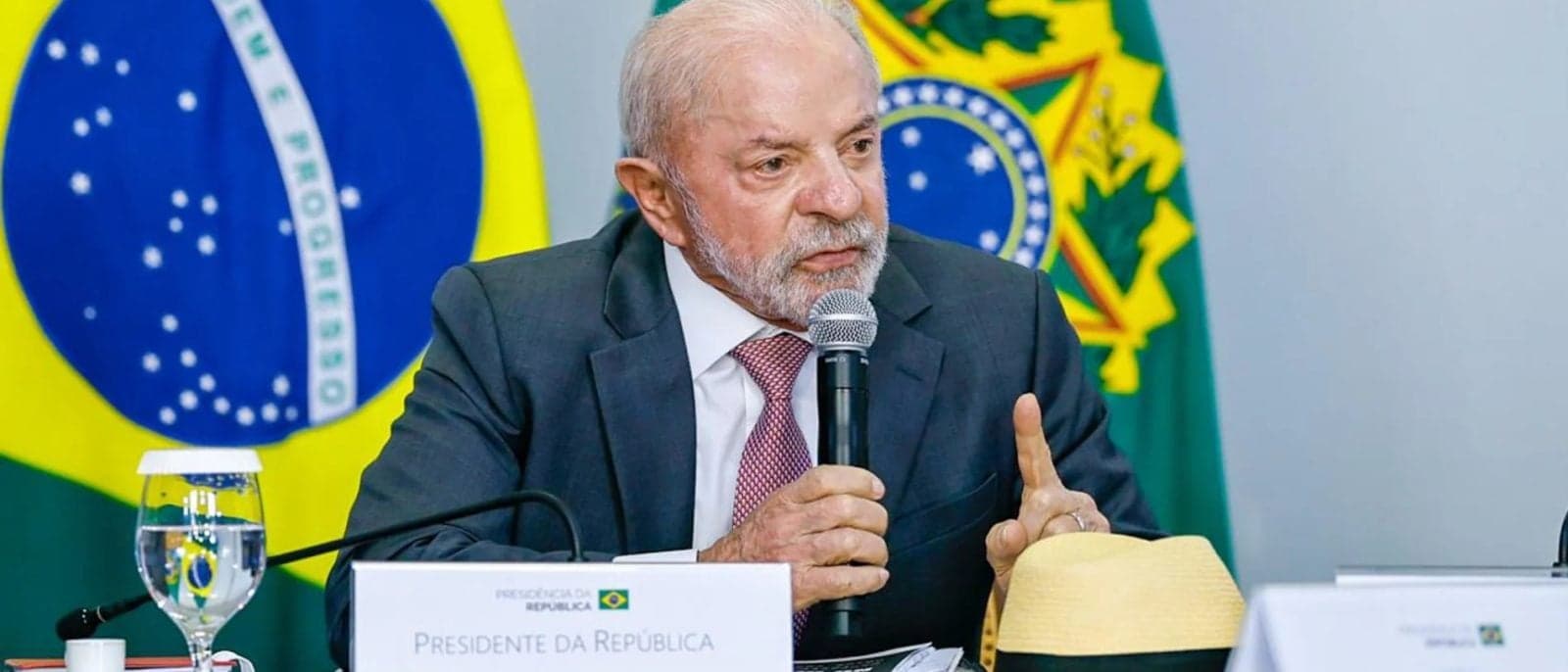
The new Quaest survey, released on Monday (21), presents a scenario of a technical tie between President Luiz Inácio Lula da Silva (PT) and Senator Flávio Bolsonaro (PL) in the dispute for the Presidency of the Republic. The survey shows Lula with 37% of the voting intentions and Flavio with 33%, a difference of four percentage points, in the limit of the margin of error of two points.
Read also: Quaest: Lula and Flávio Bolsonaro tie with 41%
In addition to the first round figures, the survey reveals other data on the 2026 presidential dispute: the two candidates register rejection of more than 50%, appear technically tied in a second round simulation and have similar indices when respondents are asked about fear of a new term of Lula or the return of the Bolsonaro family to power.
Lula and Flávio Bolsonaro: what has changed in the research?
In comparison to the previous survey, released on September 14, Lula went from 36% to 37%, while Flávio Bolsonaro advanced numerically from 31% to 33%. The difference between the two went from five to four percentage points. The individual variations are within the margin of error and do not allow to affirm, in isolation, that there was effective growth of a candidate.
The other names presented in the stimulated research recorded the following percentages: Augusto Cury (Avante), 6%; Ronaldo Caiado (PSD), 4%; Renan Santos (Mission), 3%; Romeu Zema (New), 1%; and Samara Martins (UP), 1%. The undecided represent 8% of the respondents, while 7% said they intend to vote in white, cancel the vote or not attend the polls.
Second round has difference of only one point
In the simulation of a possible second round between Lula and Flávio Bolsonaro, the senator registers 42% of the voting intentions, while the current president appears with 41%. The difference of only one percentage point sets a technical tie within the margin of error of the survey.
Another 14% of respondents said they would vote blank, cancel the vote or not go to the polls. The undecided represent 3%. In the previous survey, Flávio Bolsonaro also registered 42%, while Lula appeared with 40%. Therefore, the numbers of the current survey show numerical stability for Flavio and one-point oscillation for Lula.
Rejection of Lula and Flavio exceeds half of the electorate
One of the survey data is the rejection rate of the two candidates. According to Quaest, 56% of respondents say they know Flávio Bolsonaro and would not vote for it. In the case of Lula, the percentage is 55%. The numbers are close and within the margin of error of the withdrawal.
In comparison with the previous survey, Flavio’s rejection ranged from 55% to 56%, while Lula’s remained at 55%. The percentages show that more than half of the respondents declare rejection to each of the two candidates. However, the survey does not allow us to conclude, just with these data, that it is exactly the same group of voters.
Negative evaluation of the Lula government goes from 38% to 42%
The research also presents data on the perception of Brazilians in relation to the federal government. According to the survey, 50% of respondents disapprove of the Lula administration, while 44% approve. Another 6% did not know or did not respond.
In comparison to the previous survey, disapproval remained at 50%, while approval ranged from 43% to 44%. In the evaluation of the government, the percentage of respondents who classify the administration as negative increased from 38% to 42%.
The positive evaluation ranged from 32% to 33%, while the share that considers the regular government went from 27% to 23%. The data indicate a numerical elevation of the negative assessment within one week. However, it is not possible to establish, only with these results, which factors explain this variation or its relationship with voting intentions.
How many voters can change their votes?
The survey also investigated the degree of decision of the interviewees who indicated a candidate. Among them, 79% said their choice is final, while 21% said they could still change candidates.
In the spontaneous survey, in which the respondents do not receive a list of candidates, Lula registers 31% of the voting intentions, against 26% of Flávio Bolsonaro. In this format, 35% of the respondents declared themselves undecided, a percentage lower than the 41% registered in the previous survey.
It is important to note that the 21% who admit to changing votes and the 35% of undecided in the spontaneous survey represent different measures and should not be added up.
What do Brazilians say they fear in the elections?
Another Quaest result shows how respondents answered a question about their fears about the next government. For 43%, the biggest fear is a new term of Lula. 42% said the Bolsonaro family would return to power.
Another 7% said they feared both possibilities, while 3% said they were not afraid of either. Those who did not know or did not respond represent 5%. The difference of one percentage point between the first two answers is within the margin of error.
These results measure the fears expressed by the interviewees and should not be interpreted as voting intentions.
About the Quaest research
The survey was carried out between September 17 and 20, 2026, with 2,004 people aged 16 years or older throughout Brazil. The research was commissioned by TV Globo and the newspaper O Globo. The margin of error is two percentage points, to more or to less, with a confidence level of 95%.
The survey is registered in the Superior Electoral Court (TSE) under the number BR-06004/2026. The results represent the responses collected during the survey period and do not constitute a forecast of the election result.