New rule allows donors to continue donating blood after the age of 70
Blood donation after the age of 70 is now allowed for regular donors considered fit in a medical evaluation

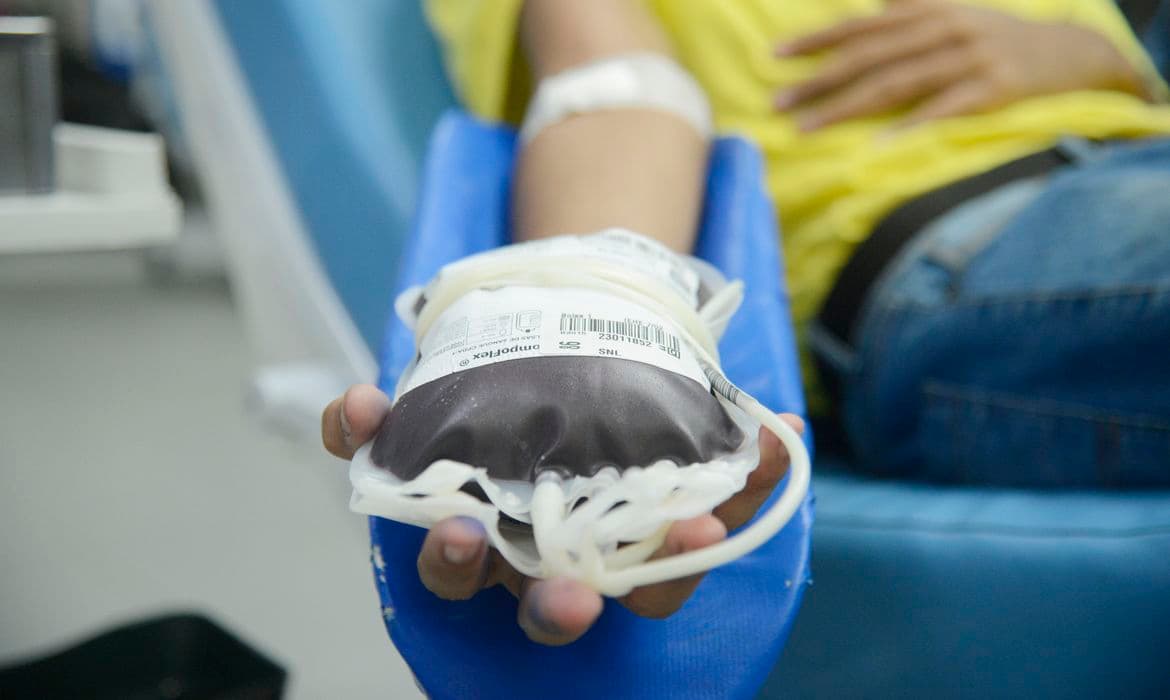
Blood donation after the age of 70 is now allowed in Brazil for regular volunteer donors who remain healthy and are considered fit after evaluation by the hemotherapy service. The change is part of the new technical regulation established by the Ministry of Health and entered into force on Wednesday (30).
The amendment was established by Ordinance GM/MS no 11.685/2026, which updates the rules related to the collection, processing and transfusion of blood in the country. Before, even people who had the habit of giving had to stop giving when they reached the age limit. With the new regulations, there is no longer a maximum age for regular donors.
To continue to donate after the age of 70, however, it is not enough just to express interest. The candidate must be in good health, undergo the clinical evaluation of the hemotherapy service and comply with the intervals and the frequency of donations established for the age group.
Changes also reach tattoos and procedimentos estéticos
In addition to the age of donors, the new regulation modifies periods of temporary impediment to donation.
People who have had an invasive tattoo, makeup or procedimentos estéticos, such as botox application, fillings and microneedling, can donate after seven days when it is possible to prove that the procedure was performed in an establishment that meets health safety standards.
When it is not possible to assess these safety conditions, the waiting period shall be four months. In the case of piercing placed in the mouth or genital region, the person can return to donate four months after removal.
New tests increase safety
Another change involves the screening of the blood bags. According to the Brazilian Ministry of Health, Brazil began to adopt the compulsory malaria test in 100% of screening tests.
NAT Plus, developed by Bio-Manguinhos/Fiocruz and already used in the identification of HIV and hepatitis B and C, also detects the parasite responsible for malaria. Thus, the period of impediment for people who have been in municipalities of endemic areas or had exposure in areas of forest or forest is 30 days.
The new regulation also incorporates the international standard ISBT 128 for the identification of bags and samples, extending traceability from collection to transfusion.
Brazil recorded more than 3.2 million collections in 2025
Data from the Ministry of Health indicate that the Unified Health System (SUS) recorded 3.26 million blood collections in 2025, the equivalent of 15.29 donations per thousand inhabitants. The index was the highest recorded since the pandemic period.
Among the general requirements to donate are to be in good health, weigh at least 50 kilos, be rested and fed and present official identification document with photo. Persons from 16 years of age can apply, and the authorization of the person responsible for minors is required.
Those who wish to make a donation should look for the nearest hemocenter to consult the hours of care and go through the screening, which determines if the person is able to donate.