UN Human Rights Court rules Myanmar committed Rohingya genocide
The International Court of Justice decided that Myanmar committed genocide against the Rohingya minority during its military campaign in 2017. The decision, passed by nine votes to six, is the first time the court has held a country responsible for genocide. The case was brought before the court by The Gambia.

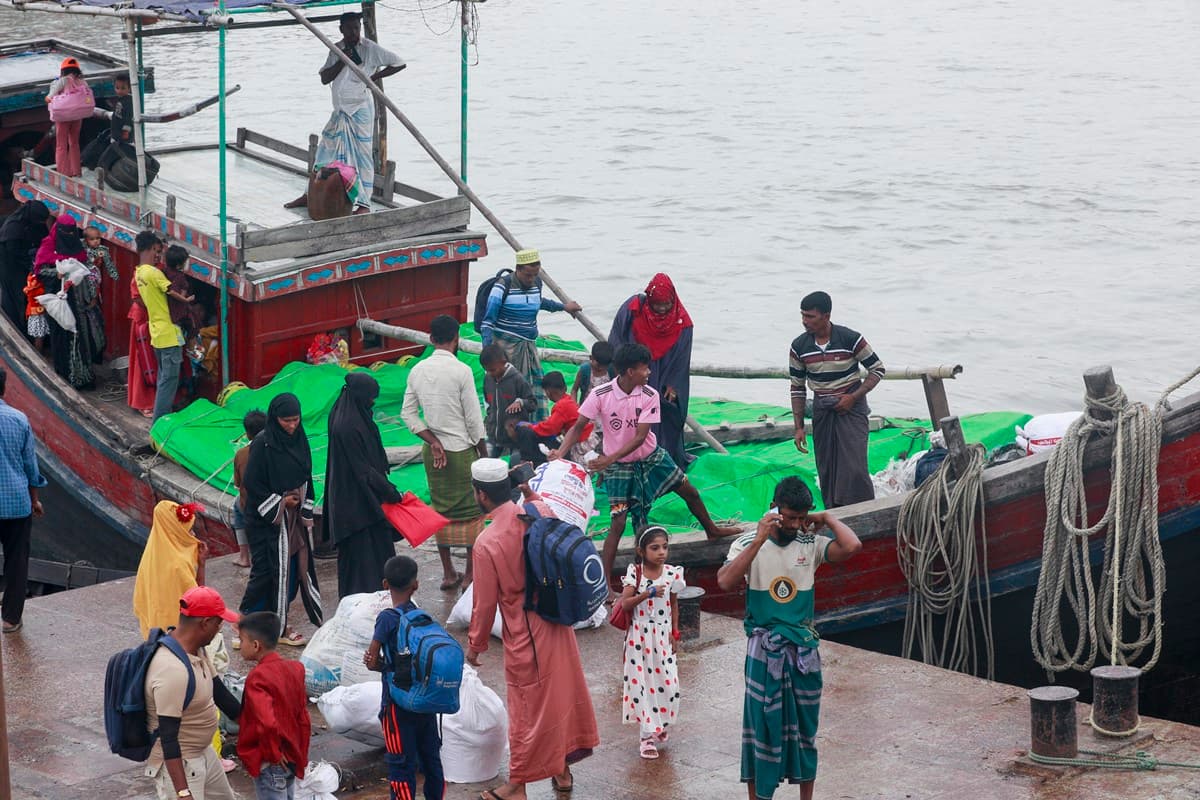
The International Court of Justice, the judiciary of the United Nations, ruled on Thursday that Myanmar had committed genocide against the Rohingya minority. The historic decision was taken by nine votes from the 15 judges that make up the court, marking the first time the court has held a country responsible for genocide.
The decision was read out by President Judge Yuji Iwasawa, who detailed the court’s findings. According to him, Myanmar security forces have killed thousands of Rohingya civilians, committed widespread acts of sexual violence and acts of extreme violence against children, as well as attacking Rohingya on the run.
Historical decision holds state responsible for genocide
The verdict represents a milestone in international law, as it is the first time that the International Court of Justice has attributed to a country the practice of genocide. The vote was not unanimous: nine judges voted for and six against, the court said.
The case was brought to court by the Gambia, a Muslim-majority country, which accused Myanmar of violating the 1948 Convention for the Prevention and Punishment of the Crime of Genocide. The decision could have implications for other ongoing lawsuits, such as South Africa’s accusation against Israel of genocide of Palestinians in Gaza.
Context of violence against Rohingya
The Rohingya are a predominantly Muslim ethnic group in Rakhine State, Myanmar. They form the largest stateless population in the world, facing severe restrictions: they are forbidden to marry or travel without permission from the authorities and cannot own property.
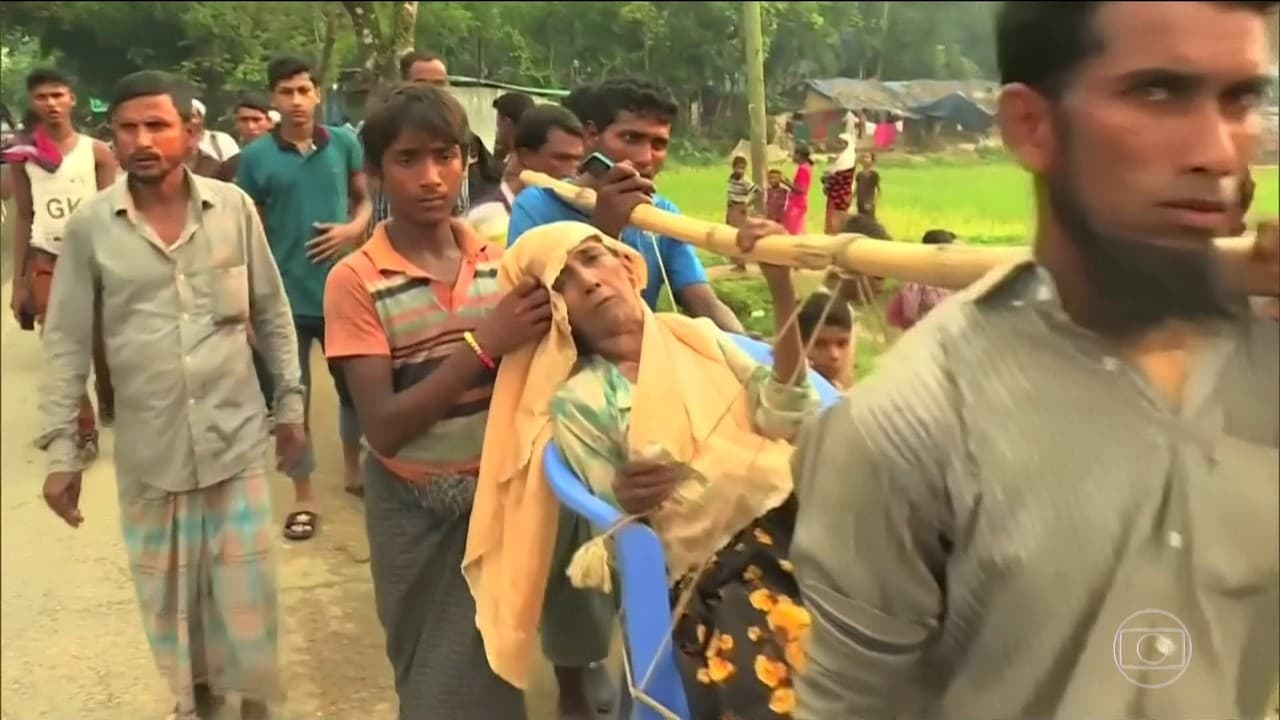
The conflict is historic, but it hit a halt in 2017 after Rohingya militants attacked police stations. The Burmese army responded with a military operation that killed civilians and set fire to villages, forcing thousands to leave the country. According to the United Nations High Commissioner for Refugees (UNHCR), more than one million Rohingya refugees fled violence in successive waves of displacement; in 2017 alone, 700,000 members of the ethnic minority left the country seeking refuge in Bangladesh.
Myanmar's reaction to the decision
On Friday, President Min Aung Hlaing’s spokeswoman, Khine Khine Soe, called the court’s decision “unfair.” In a statement to journalists, she said: “Not all 15 judges agreed with the decision, it was not a unanimous decision. I would say it was unfair.”
The official demonstration signals that the Myanmar government rejects the verdict, although the source has not detailed whether there will be recourse or other measures. The decision, however, is final and binding on UN member states.
Impact on other international cases
The decision on Myanmar may influence the trial of the charge against Israel of genocide of Palestinians in Gaza, filed by South Africa. Israel denies the charge. Experts point out that the precedent set by the court can strengthen the application of the 1948 Convention in other contexts.
For the international community, the verdict reinforces the accountability of States for crimes against ethnic minorities. The continuity of the monitoring of the case and its developments is essential for the protection of human rights.
Read Also
Trump bought up to $265,000 in Nvidia shares in September
Font
Metropoles.com