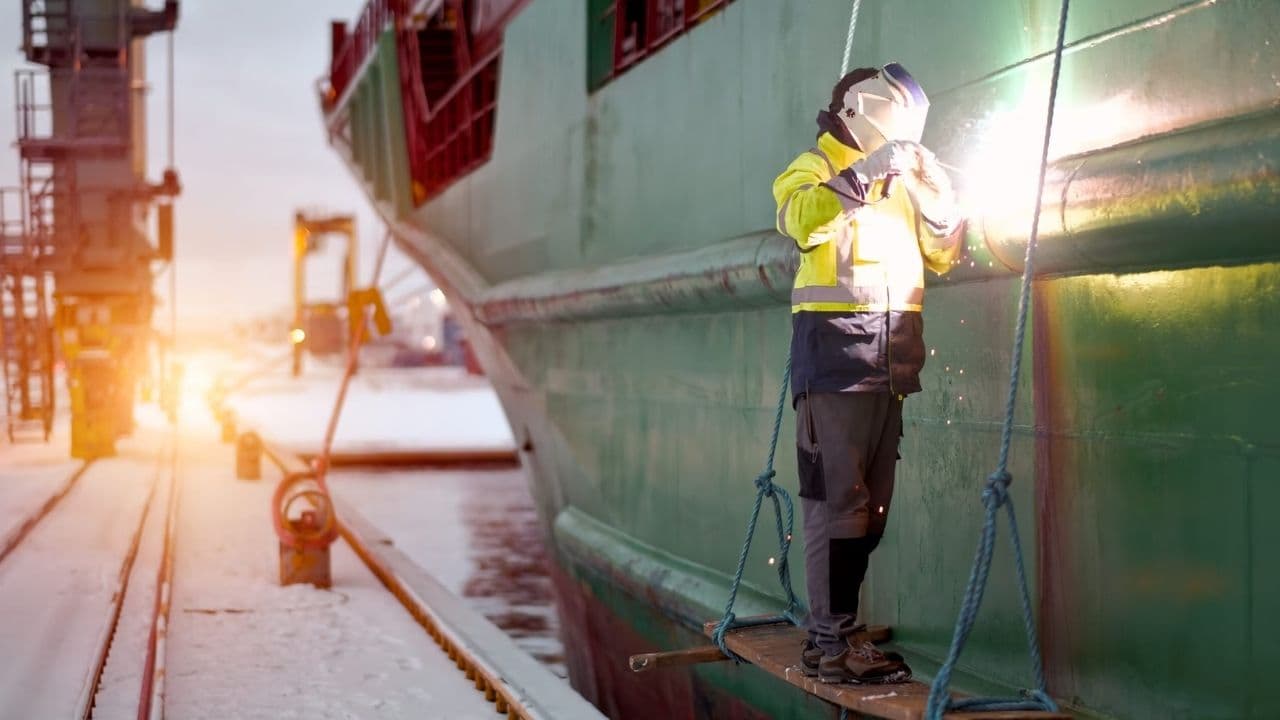
NR-29: Safety and Health in Port Work
Regulation establishes prevention measures, risk management and health protection for workers in ports and port terminals

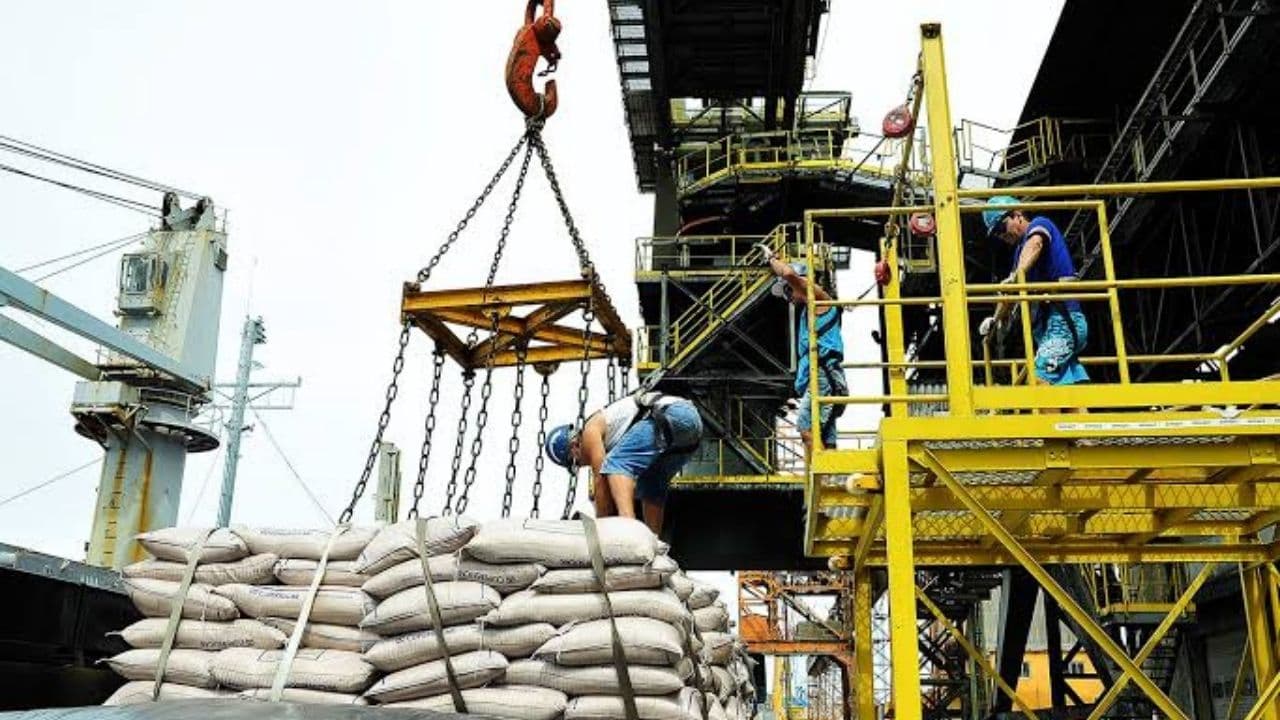
The NR-29 establishes actions of Safety and Health at Work (SST) directed to the port activities and their specificities. It is a complex sector, involving diversified operations and situations with high potential for occurrence of occupational accidents and diseases.
For this reason, there is a need for an integrated and effective action of managers, occupational safety and health professionals and other workers, with a focus on accident prevention, control of occupational risks and protection of the health and physical integrity of the professionals involved.
In this article, you will better understand what is the Norma Regulamentadora No. 29 (NR-29), to which it applies and what are the main occupational safety and health measures established for the port sector.
What is NR-29?
The NR-29 is the Norma Regulamentadora that sets the requirements for Safety and Health at Work at Port.
Its objective is to establish prevention measures aimed at the protection of workers who carry out activities in ports and port facilities, contributing to the prevention of accidents and diseases related to work and to the maintenance of adequate conditions of safety and health.
The standard contemplates aspects related to signalling, individual and collective protection equipment, workers’ training, risk management, load handling, machinery and equipment, confined spaces, operations with dangerous loads, sanitary conditions, first aid and emergency procedures, among others.
Originally published in 1997, NR-29 has undergone different updates over the years, following the evolution of port activities and concepts related to occupational risk management.
NR-29 is part of the set of occupational safety and health Normas Regulamentadoras, which complement the provisions of Chapter V of Title II of the Consolidation of Labor Laws (CLT).
Structure of NR-29
The body of the standard is divided into 29 sections, supplemented by five annexes and a glossary.
The structure of the document is as follows:
29.1 Objective
29.2 Field of application
29.3 Competencies and responsibilities
29.4 Risk Management Program – PGR
29.5 Specialized Service on Port Worker Safety and Health – SESSTP
29.6 Specialized Services in Safety Engineering and Occupational Medicine – SESMT
29.7 Commission for the Prevention of Accidents at Work in Ports – CPATP
29.8 Operations of mooring, unmooring and maneuvering of vessels
29.9 Access to anchored and anchored vessels
29.10 Operation on decks
29.11 Basements
29.12 Work in confined spaces
29.13 Docking machines, equipment and accessories
29.14 On-board threshing equipment and stall accessories
29.15 Load slinging and delining
29.16 Operations with containers
29.17 Operations with dry bulk
29.18 Transportation, handling, storage and handling
29.19 Safety in warehouses and silos
29.20 Safety in cleaning and maintenance work
29.21 Security in the portal guard services
29.22 Lighting of workplaces
29.23 Transport of workers by water
29.24 Refrigerated premises
29.25 Sanitary and comfort conditions in the workplace
29.26 First aid and other measures
29.27 Operations with dangerous cargoes
29.28 Emergency Control Plan – PCE
29.29 Mutual Aid Plan – WFP
ANNEX I – SESSTP dimensioning
ANNEX II – Sizing of CPATP
ANNEX III – Working time regime with thermal recovery time outside the cold environment
ANNEX IV – Dangerous cargoes
ANNEX V – Segregation of dangerous cargoes
Glossary.
NR-29 therefore establishes a comprehensive set of requirements aimed at the prevention of accidents and occupational diseases in port work.
Who needs to obey NR-29?
Organisations and workers involved in activities covered by NR-29 must comply with the requirements established by the standard.
According to item 29.2.1, its provisions apply to port work carried out both on board and on land, as well as to other activities carried out in ports, port facilities and retro-port terminals covered by the regulation.
Thus, the application of NR-29 is not restricted only to the worker directly involved in the movement of cargoes, reaching the different agents and organizations responsible for the operations and activities developed in the port environment.
Main measures of NR-29
Among the various requirements foreseen by NR-29, some indispensable themes stand out for the execution of port work in a safe way and with adequate control of occupational risks.
See some of them below.
the Manpower Management Body (OGMO)
The OGMO has important responsibilities related to isolated port workers and the management of occupational safety and health conditions.
Among its responsibilities related to OSH, we highlight:
Participate, together with port operators and contractors, in the definition of prevention measures;
Provide workers with training and training related to Safety and Health at Work in Ports;
Scale properly trained workers, considering the risks informed by the port operator or service taker;
Comply with the applicable requirements of NR-06 regarding Personal Protective Equipment (PPE);
Develop and implement the Occupational Health Medical Control Program (OHMC);
To take appropriate measures to identify non-compliance with NR-29 or other legal provisions related to Safety and Health of Workers.
Risk Management Program
The development and implementation of the Risk Management Program (RMP) must consider the characteristics of port operations, the existing hazards and occupational risks to which workers may be exposed.
The port operator, the contractor and the employer shall consider in risk management the activities under their responsibility, including those carried out by isolated port workers, where applicable.
In organized ports, the port administration also has responsibilities related to the management of the risks arising from the infrastructure and the operations developed in its dependencies.
The RMP is therefore an important preventive tool, allowing the identification of hazards, the assessment of occupational risks and the establishment of prevention and control measures compatible with the characteristics of port operations.
Organs of OSH
The Port Worker Safety and Health Specialist Service (SESSTP) has specific responsibilities related to the prevention of accidents and occupational diseases in port work, especially as far as port workers are concerned.
Its sizing is set out in Annex I of NR-29.
The Specialized Services in Safety and Occupational Medicine (SESMT) must be constituted and sized in accordance with the regulatory requirements applicable to organizations and their employees.
Another important prevention instrument is the Commission for the Prevention of Accidents at Work in Ports (CPATP), established specifically for the port sector.
The commission has an important preventive function, contributing to the identification of risk situations, discussion of working conditions and proposal of measures aimed at continuous improvement of Occupational Safety and Health.
Occupational telemedicine for the port sector
Telemedicine resources can be a complementary tool for certain occupational health care services, provided that their use complies with applicable legal, medical, ethical and regulatory requirements.
For workers on board or who carry out activities in places with greater difficulty of access to health services, teleconsultation can facilitate certain care and evaluations that are technically compatible with this modality.
Digital platforms can also contribute to the management of occupational documents, exam results and electronic signatures, respecting professional attributions and the requirements established by current legislation.
It is important to note, however, that the use of telemedicine does not replace the prevention measures provided for in NR-29, nor does it eliminate the need for face-to-face evaluations when these are technically or legally necessary.
Conclusions
NR-29 is one of the main normative instruments for the management of Occupational Safety and Health in the port sector, establishing responsibilities, technical criteria and preventive measures compatible with the complexity and risks inherent to operations carried out in ports and port facilities.
Its application should be understood not only as a legal obligation, but as part of a permanent system of occupational risk management. The identification of hazards, the assessment of risks, the adoption of collective protection measures, the provision and proper use of PPE, the training of workers, the safe maintenance of machinery and equipment and the preparation for emergency situations are fundamental elements for the prevention of accidents and diseases related to the work.
In this context, the effectiveness of NR-29 depends on the integrated action of the port administration, port operators, contractors, employers, OGMO, occupational safety and health professionals and workers themselves.
Rather than formally meeting regulatory requirements, the goal should be to establish a preventive culture capable of anticipating risks and controlling their causes before accidents occur.
Therefore, investing in the effective implementation of NR-29 means strengthening prevention, improving working conditions, protecting the health and physical integrity of workers and contributing to safer, more efficient and sustainable port operations.
Thank you for reading and until the next article.
Now that you know the importance of NR-29, how about deepening your knowledge in other Normas Regulamentadoras of the Ministry of Labour? Keep up with our weekly articles. For topic suggestions, please contact (42) 99997-4979.