Oil Magnate in Venezuela Cited in Epstein Emails
Businessman Alejandro Betancourt, owner of the oil company Nabep, is mentioned in recently released emails from Jeffrey Epstein. The messages, from 2012, show attempts to connect Epstein with Venezuelan figures. Betancourt now leads a billion-dollar agreement with the U.S. to explore oil in Venezuela.

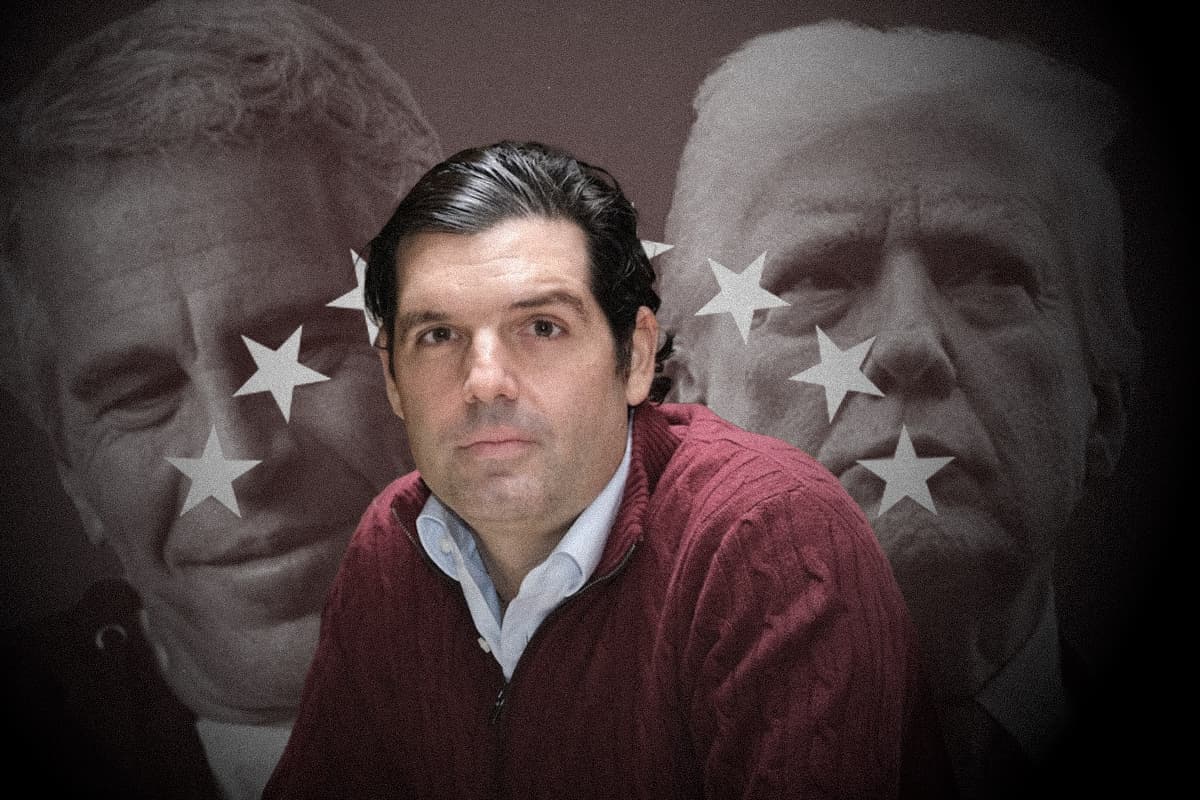
Businessman Alejandro Betancourt, owner of oil company Nabep, appears in emails from billionaire Jeffrey Epstein, who died in prison in 2019. The messages, dated 2012, reveal attempts to approximate Epstein with Venezuelan figures. The content was released amid a billion-dollar deal between Nabep and the government of the Estados Unidos for oil exploration in Venezuela.
E-mails show invitation to meet
One of the emails was sent in September 2012 to Epstein by Venezuelan businessman Francisco D’Agostino, sanctioned by the US in 2021 for helping Venezuela to circumvent sanctions against oil. In the message, D’Agostino writes: “Alejandro Betancourt, my business partner, and I are available to meet you on Monday (19/11/2012). Can we have lunch? Your house?”
The businessman also cites a number of people he would like to introduce to Epstein, including Venezuelan businessmen, bankers and politicians – such as General Alejandro Andrade, then head of the Venezuelan Treasury, described in the email as “one of Chavez’s closest friends.” The source did not say whether the meeting took place.
Epstein asks for a roadmap for Caracas
Epstein responded to the invitation with a question: “Could you give me an approximate idea of a one-night and two-day script for Caracas... so that I can introduce it to my staff? I hope it was fun.” There is no public information that the billionaire’s trip to Venezuela has happened.
One day after lunch on November 20, 2012, Epstein wrote again to D’Agostino: “Send me your friend’s name, please.” The identity of the “friend” has not been revealed in the available documents.
Message cites investment opportunity
Another email, dated December 2012, was sent from D’Agostino to a contact identified as “S A,” with a copy for Epstein and Betancourt. The attachment of the e-mail is listed as “Memo oil Venezuela”. In the text, the Venezuelan businessman addresses “Mr. Abdulhak” and says, “Jeff, thank you for the introduction. Attached is a brief description of the investment opportunity I would like to discuss with you.”
There are no additional details about the content of the memorandum or whether the investment has been realized. The source did not detail Betancourt’s role in this specific communication.
Billionaire Agreement with the United States
The agreement between the Trump administration and Venezuela, interimly led by President Delcy Rodríguez, provides that Venezuelan authorities grant oil company NABEP 100-year concessions to explore 17 oil fields. The reserves of these fields are approximately 65 billion barrels, according to Casa Branca.
NABEP granted the U.S. War Department a 35% stake in its parent company. The value represents hundreds of billions of dollars in value and dividends to the U.S. The U.S. State Department will be able to buy 20% of production, at cost price, from all current and future fields that NABEP operates.
The U.S. government still has a preference for buying the other 80% of production. The majority of NABEP board members must be American citizens. “NABEP will have reputable American auditors, lawyers and consultants, and the U.S. government’s agreement with NABEP is governed by U.S. law and subject to the jurisdiction of U.S. courts,” Casa Branca said in a statement.
Venezuela classifies agreement as historic
The agreement also provides that the company will invest $100 billion in new oil infrastructure in Venezuela. On the Venezuelan side, President Delcy Rodriguez called the agreement “historic” for the country and said Venezuela would maintain “ownership and sovereignty” of the oil there.
The interim president claims the deal is useful to Venezuela as the country has no ability to exploit fossil fuels on its own, despite having one of the largest oil reserves in the world. “We have chosen the path of diplomacy with the Estados Unidos, to transform our differences into cooperation, and this cooperation into investment, production, welfare and concrete results for Venezuelans,” Delcy said of the deal.
The Venezuelan parliament approved the agreement on Tuesday (1/9). The approval marks an important step towards the implementation of the pact, which can redefine Venezuela’s oil industry and bilateral relations.
Betancourt’s involvement with Epstein, albeit in 2012 messages, adds a layer of scrutiny to the tycoon, who is now at the center of one of the largest energy deals in the Americas. The Boca no Trombone portal will continue to follow the unfoldings of this history and its global impacts.
Read Also
Video shows hunting explosion in Greece
U.S. attacks three Iranian oil tankers after ships are shot at
Explosion at Bolivian barracks leaves 2 dead and 81 injured
Font
Metropoles.com
sanctioned by the US (home.treasury.gov)