Russia bets on digital ruble to modernize economy
Russia completed a month since the launch of the digital ruble, a currency issued by the Central Bank. The project aims for digital autonomy and modernize payments, in a scenario where 88% of transactions in commerce are already cashless. Experts compare the system to Brazil's Pix, but point out structural differences.

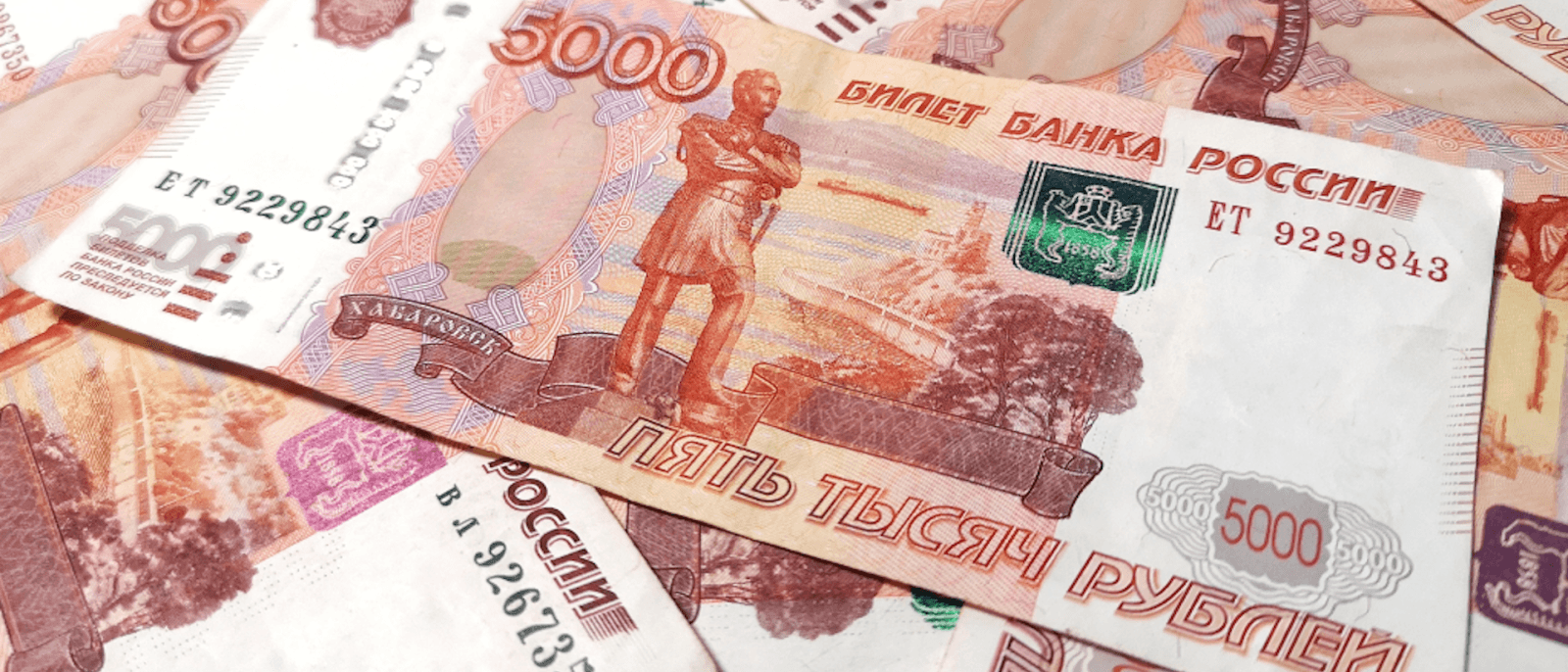
In October, Russia completed a month of the launch of the digital ruble, the digital currency issued by the country’s Banco Central. The project is encompassed in the concept of digital autonomy, understood as the ability of a country to control its own technological infrastructures. The initiative marks a significant step in modernizing the Russian financial system and reducing reliance on traditional means of payment.
Digital payments already dominate the market in the Eurasian country. According to the Russian Banco Central, 88% of payments in commerce and services were made cashless in 2025. The other 12% were made in physical money. This scenario shows a fertile ground for the adoption of a digital currency issued by the State.
How the digital ruble works
The account in digital rubles is opened in the institution itself, which is state, and not in a specific commercial bank. Access can be made through the mobile application of any financial institution connected to the platform. This means that the citizen does not need to have an account in a private bank to use the digital currency, extending the scope of the system.
The Russian project has points of comparison with the Brazilian Pix, but presents relevant structural differences in relation to the national system. The ruble, even if digital, is currency form, while the Pix is a service offered by Banco Central from Brazil. That is, the digital ruble is a new representation of the official currency, not just a means of transfer.
In both systems, in order to make a payment, the consumer needs to read a QR code through his bank application, select the payment method and confirm the operation. The user experience is similar, but the legal and operational nature differs. While Pix moves reals into traditional bank accounts, the digital ruble moves a digital currency issued directly by Banco Central.
https://www.youtube.com/watch?v=0TbwtmxAaMs
Video: YouTube | Source: www.poder360.com.br
Obligations to banks and retail
In the case of Russia, all banks in the country should start operating the new currency. For Brazilian banks, offering the Pix service is mandatory only for institutions with more than 500,000 active accounts. This difference reflects different regulatory approaches: in Russia, membership is universal; in Brazil, there is a scale criterion.
Retailers also have an obligation to accept it in large businesses, defined as those with annual revenue exceeding 120 million rubles. In the case of Brazil, accepting payment by Pix is optional, but 96% of small businesses accept payment, according to Sebrae. The Russian requirement for large retailers aims to ensure initial capillarity, while in Brazil the accession was driven by convenience and low cost.
International recognition and context
During participation in the Global Digital Forum in Moscow, the former Russian Minister of Economic Development Maxim Oreshkin mentioned the Brazilian Pix and Nubank as examples of digital solutions on service platforms used in everyday life. The speech indicates that Brazil is seen as a reference in digital financial inclusion, even with distinct models.
The professional traveled at the invitation of the Russian Embassy in Brazil. The invitation suggests Russian interest in publicizing the project and possibly attracting partnerships or investments. The source did not detail the name of the professional nor the specific purpose of the trip.
The digital ruble is part of a global movement of central bank digital currencies (CBDCs). Russia seeks to reduce transaction costs, increase the efficiency of payments and strengthen monetary sovereignty. The project could also be a response to international sanctions, allowing transactions outside the traditional dollar-dominated financial system.
What to Expect from the Future
The adoption of the digital ruble is still in the early stages, and the Russian Banco Central has not disclosed user targets or traded volumes. The source did not detail deadlines for expansion or integration with international systems. However, the requirement for banks and large retailers indicates a plan for accelerated implementation.
For the ordinary citizen, the main change will be the possibility of having an account directly on the Banco Central, without intermediaries. This can reduce tariffs and increase security, but it also raises questions about privacy and state control. Russia has not specified how user data will be protected.
The success of the digital ruble will depend on the confidence of the population and ease of use. Brazilian experience with Pix shows that mass adoption is possible when the system is simple and free. It remains to be seen whether Russia will be able to replicate this success with a banco central digital currency.
Meanwhile, Brazil follows as a benchmark in instant payments, and the comparison between the two systems can yield mutual learning. Follow up on upcoming updates on the digital ruble and other financial innovations on the Boca no Trombone.
Read Also
Lobista proposes award-winning speech and mentions Lula and Lulinha
Maria do Carmo presents infrastructure proposals in Manaus
Former ministers and academics sign pro-Lula manifesto
Font
www.power360.com
Prioritize Power in Google (www.google.com)
Sebrae (agenciasebrae.com.br)
Power360 integrates the (thetrustproject.org)