Sin Tax on Sin Exists in 38 OECD Countries
The selective tax, known as 'sin tax', starts applying in Brazil in February. The measure follows international trend: all 38 OECD countries tax alcohol and tobacco. The goal is to make harmful products to health and the environment more expensive.

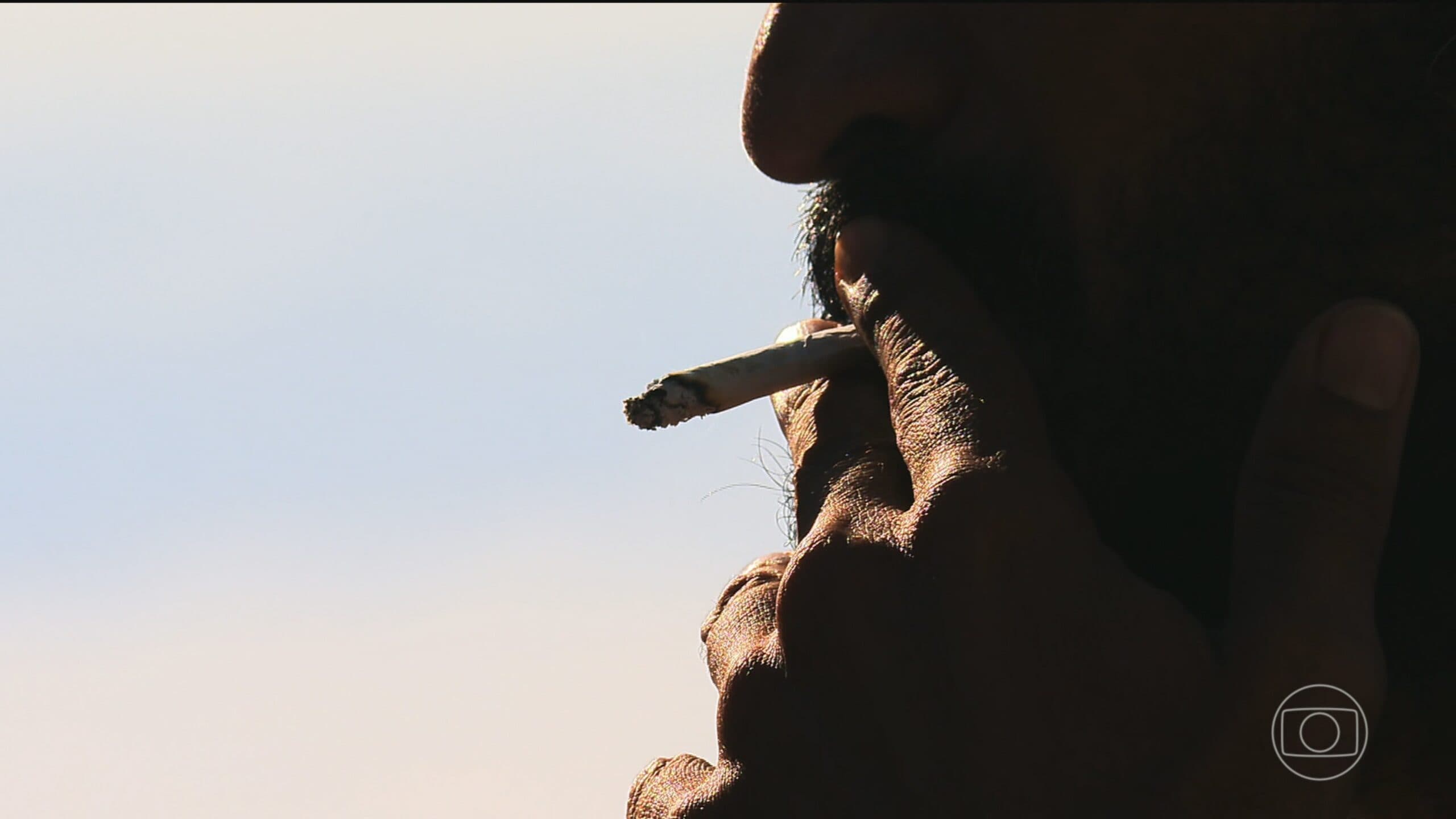
The announcement that the selective tax – known as the “sin tax” – will be charged from February next year has generated strong repercussions in the productive sector and on social networks. The measure, created by reforma tributária on consumption, aims to make products or activities that cause damage to health or to meio ambiente more expensive in the coming years. Next year, the government says the goal is to maintain the current tax burden of each product, that is, without tax increases.
But some affected sectors have complained that taxation will be higher.
What is the tax of sin
Created by reforma tributária on consumption, the “sin tax” will begin to be charged in February and aims to make products or activities that cause harm to health or to meio ambiente more expensive in the coming years. In Brazil, the list includes alcoholic beverages, soft drinks and cigarettes. The new tax will also affect some vehicles, depending on the level of pollution, on the extraction of mineral goods and on lotteries.
The text establishes, for example, sustainability and energy efficiency criteria for the definition of incident rates on vehicles, aircraft and vessels. Certain categories of vehicles will have a zero rate, including those acquired by persons with disabilities or with autism spectrum disorder and by professional drivers using the car in the rental category (taxi), subject to the conditions provided for in the measure.
International practice is the norm
According to the 2024 study on consumption taxation of the Organisation for Economic Co-operation and Development (OECD), a forum that brings together 38 countries, all the nations of the group maintain selective taxes ("excise duties") on tobacco and alcoholic beverages. The OECD report also includes fuels among products commonly subject to selective taxes. The survey, however, does not bring a consolidated relationship of the countries that adopt this type of taxation on fuels.
The study does not include sugary drinks among the main categories analyzed. The World Health Organization (WHO) report for 2025, however, points out that some countries adopt specific taxes on these products, including the United Kingdom, Mexico, Portugal and France.
Impact on health and SUS
In a study to support the collection of the Selective Tax, the government estimated that the treatment of diseases associated with the consumption of ultraprocessed beverages, such as soft drinks, isotonics and soft drinks, costs almost R$ 3 billion per year to the Unified Health System (SUS). The data reinforces the justification that the taxation seeks to discourage consumption and compensate for public spending on health.
The inclusion of sugary beverages in the Brazilian list follows examples of other countries, such as Mexico and the United Kingdom, which already adopt specific taxes on these products. The tax is expected to contribute to reducing consumption and, consequently, long-term health costs.
The Production Sector
National producers say that alcoholic beverages are already heavily taxed in Brazil, with taxes representing 40% to more than 80% of the price of products. According to the sector, a possible increase in taxation could reduce profit margins, raise consumer prices, cause layoffs and stimulate the illegal market. The concern is that the additional tax burden will make formal products less competitive against smuggling and clandestine production.
The government, in turn, states that the intention in the first year is to maintain the current tax burden, without real tax increases. Still, the definition of the rates and the form of calculation generate uncertainties among entrepreneurs, who await detailed regulation.
Next steps
The implementation of the selective tax in February will require adaptation of companies and supervision by the Federal Revenue Service. The expectation is that the regulation will bring clarity about the rates and the situations of exemption, as in the case of vehicles for people with disabilities. The debate is expected to continue in Congress and the productive sector in the coming months.
For the consumer, the impact on prices is still uncertain, but the trend is that products such as cigarettes, alcoholic beverages and soft drinks have differential taxation. International experience shows that the selective tax is a common tool in developed countries, but its effectiveness depends on the balance between collection, public health and economic competitiveness.
Read Also
Senators plan to reform STF from 2027
Most countries adopt 18 years as a criminal majority
Lula wants to turn Brazil into a developed country in four years
Font
g1.globo.com