Sudan War Supported by Allies, Points UN
UN Points to International Allies Fueling Sudan War, Providing Arms and Logistics Support. The Conflict Has Already Caused the Worst Humanitarian Crisis in the World, With Millions Displaced and Severe Hunger.

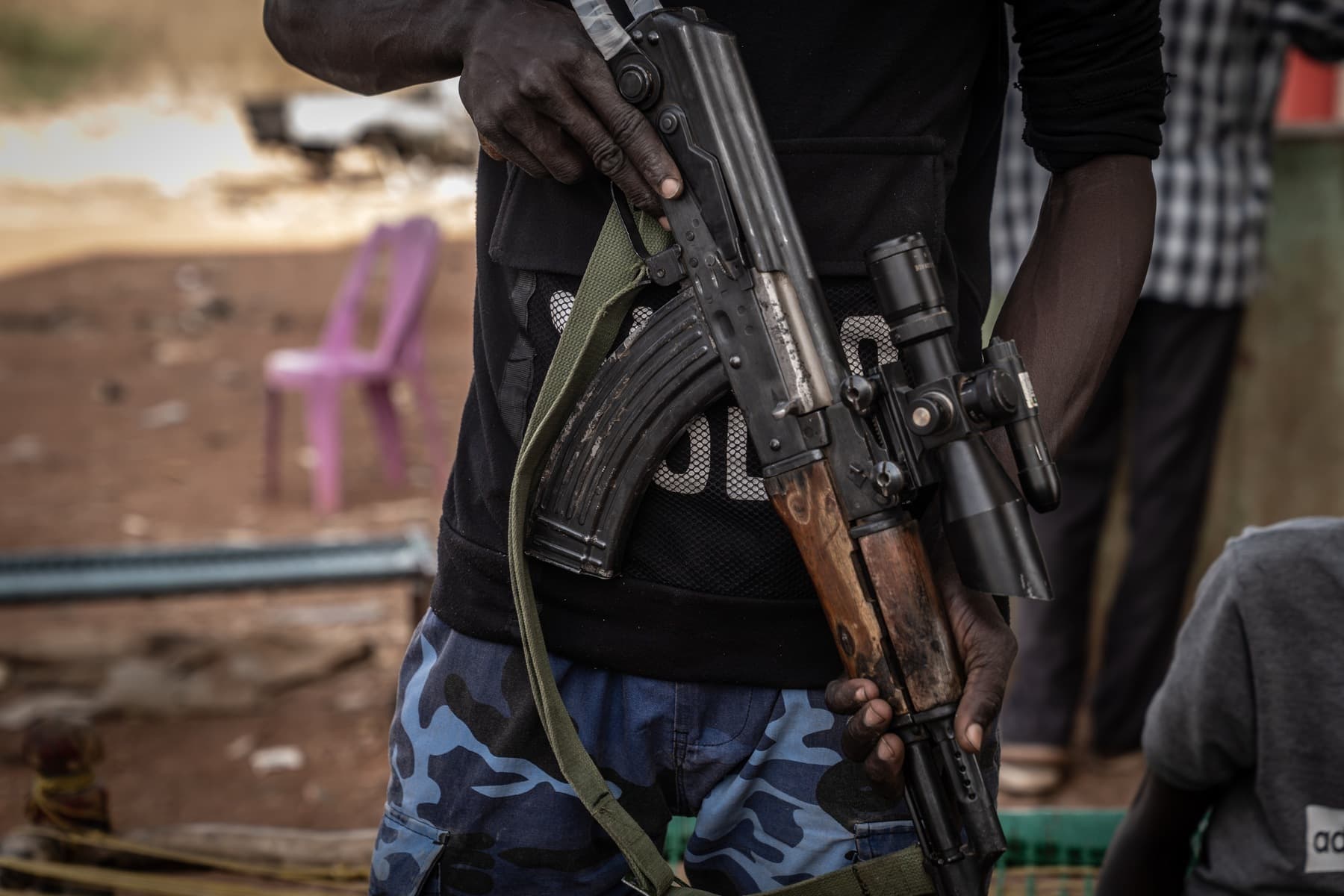
The war in Sudan, which has pushed the country into the world’s most serious humanitarian crisis, is being spurred and supported by international allies, according to the United Nations. The conclusion is contained in a report released on Thursday (3/9).
According to the UN Independent Fact-Finding Mission for Sudan, countries such as the United Arab Emirates, Chad, Colombia, Libya, Somalia, South Sudan, Ethiopia and the unrecognized state of Puntland are involved in the conflict.
External support networks fuel the conflict
Investigators have found evidence that international entities operate from such countries to provide weapons, military technology and logistical support for the war in Sudan. The report “Fostering conflict in Sudan: weapons, fighters and external support networks” showed that individuals and entities in the UAE are providing weapons to the Rapid Support Forces (RSF).
To this end, southern Libya, Somalia, Chad and Puntland act as routes through which military support is transported. The source did not detail the volume or frequency of these submissions, but highlighted the participation of multiple regional actors.
Attacks on civilians and infrastructure
In addition to military targets, the operations of the Sudanese Forças Armadas (SAF) and the Rapid Support Forces (RSF) have hit civilian structures such as schools, hospitals, energy infrastructure, work facilities, funerals and weddings. Indiscriminate violence has aggravated the suffering of the population.
The conflict is between General Mohamed Hamdan Dagalo, head of the Rapid Support Forces (RSF), and General Abdel Fattah al-Burhan, head of the Sudanese Forças Armadas (FAS). The two leaders have appeared together in previous records, but today they command rival factions.
Civil War in Sudan
Sudan has been facing a civil war for three years, involving the country's regular army, the Sudanese Forças Armadas (SAF), and the Rapid Support Forces (RSF). A few years ago, the two sides involved in the conflict fought together, and carried out a coup in 2021.
After the seizure of power, the African country was led by a coalition led by the head of the SAF, General Abdel Fattah al-Burhan, and the leader of the RSF, General Mohamed Hamdan Dagalo. In 2023, however, the two sides entered into a direct dispute for power, and the alliance was closed.
An unprecedented humanitarian crisis
Since then, the Sudanese Forças Armadas (SAF) and the Rapid Support Forces (RSF) have been in conflict, sharing control of Sudan. Over the past few years, the African country has faced a strong humanitarian crisis provoked by violence — and ranked by the UN as the most serious in the world today.
In Sudan, some 20 million people face acute hunger, while another 135,000 live at imminent risk of death from food insecurity. The country faces a severe displacement crisis, with approximately 12.8 million Sudanese out of their homes due to violence.
The UN report reinforces the urgency to hold accountable the external actors that fuel the conflict, while the civilian population remains exposed to attacks and shortages of basic resources. The international community is monitoring the developments, but there is still no prospect of a ceasefire.
Read Also
Rescuers rescue two men in Nepal tunnel after 9 days
Font
Metropoles.com