Supreme Court revokes anti-homosexual law in Trinidad
The UK Supreme Court revoked on Tuesday (10) a law from Trinidad and Tobago that criminalized sexual relations between men. The decision followed a petition by activist Jason Jones, who claimed a violation of human rights. The Caribbean country still maintains other laws that punish homosexuality.

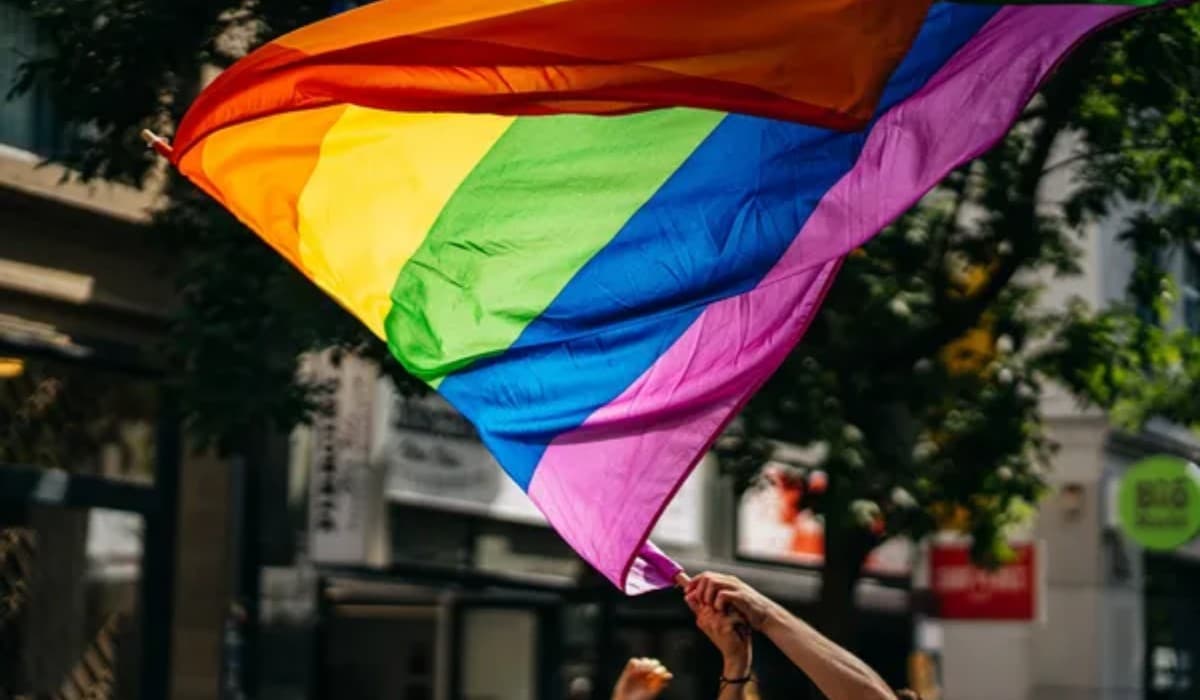
The Supreme Court of the United Kingdom on Tuesday repealed a law in Trinidad and Tobago, a country of about 1.4 million inhabitants in Central America, criminalizing sexual relations between men. The decision came after a lawsuit filed by a gay man on the grounds that the rule violated human rights.
The case reached the Privy Council of London, the final appeals body for Trinidad and Tobago and some other countries of the British Commonwealth, after activist Jason Jones appealed an unfavorable decision in the local court.
Understand the case and the decision
Jason Jones, born in Trinidad and Tobago, contested the Caribbean country’s so-called “Sex Crimes Act,” claiming it violated its fundamental rights guaranteed by the country’s constitution. Initially, he won the case in the High Court of Trinidad and Tobago, but the decision was overturned, leading Jones to appeal to the Privy Council of London.
The English Privy Council has ruled that the law of Trinidad and Tobago is unconstitutional. Judge Philip Sales stated, in announcing the court’s decision, that “the current understanding of the fundamental individual right to respect for private and family life is that it protects such an essential part of human identity as the sexual orientation of each one.”
The decision represents a breakthrough for LGBT+ rights in the Caribbean, where many nations still maintain laws that criminalize homosexuality. The source did not detail whether the decision would take immediate effect or whether the government of Trinidad and Tobago intends to appeal.
Criminalization still persists in dozens of countries
According to the Human Dignity Trust, at least 65 jurisdictions criminalize private and consensual sexual activity between people of the same sex. For the prohibition, laws are used that associate the LGBT+ community with "sodomy", "pedophilia" and "crimes against nature".
In February, Senegal’s government sanctioned a law that doubles the punishment for homosexuality — the country’s parliament describes homosexual acts as “crimes against nature.” The sentence can reach 10 years in prison or a fine of about R $ 93,000.
In countries such as Turkey, homosexuality is not directly prohibited. The government of Tayyip Erdogan has been curtailing the rights of LGBT+ activists, claiming to protect the “institution of the family”, the “interests of children” and “public morals”. In September 2026, nearly 200 people were detained amid allegations of torture and arbitrary arrests.
Regional impact and next steps
The Privy Council’s decision may influence other Caribbean countries that maintain similar laws, as the court serves as the final instance for several Commonwealth nations. However, each country has its own legal system and political context.
For Trinidad and Tobago, the repeal of the law represents a milestone in the fight for equality, but there are still challenges. The source did not detail whether other discriminatory laws remain in place in the country.
The Boca no Trombone Portal will continue to monitor the unfolding of this decision and its reflections in the region. In the meantime, we invite you to explore other news on human rights and international politics on our website.
Read Also
Baby found alive after 24 hours buried in the US
Safe in Paraguay’s former president’s mansion found empty
Font
g1.globo.com