The Importance of NR 31 for Safety and Health at Work in the Agropecuarian Sector
Understand what NR-31 is, its main requirements, and how the standard protects the health and safety of workers in rural activities.

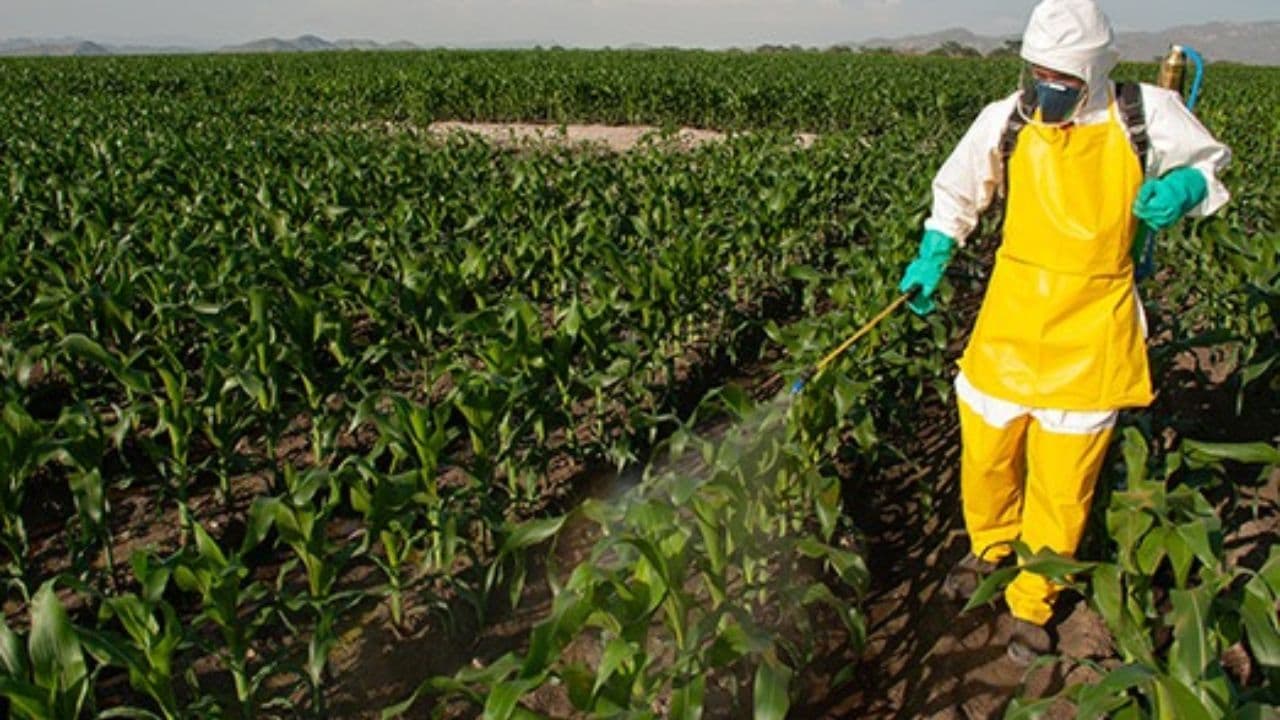
The NR-31 establishes occupational safety and health (OSH) requirements for activities in agriculture, livestock, forestry, forestry and aquaculture. Its purpose is to reconcile the development of rural production with the prevention of accidents and diseases related to work.
The rural work presents varied conditions: use of tractors and implements, exposure to the climate, handling of chemicals, contact with animals, operations in silos and displacements through irregular terrain. Prevention requires planning, training and participation of workers.
In this article, you will learn about the objectives, structure and main measures of NR-31, based on the consolidated text provided, updated until MTE Ordinance No. 342, of March 21, 2024.
What is NR-31?
Norma Regulamentadora No. 31 was originally approved by MTE Ordinance No. 86 of March 3, 2005. The general wording was revised by the SEPRT Ordinance no. 22.677/2020 and received subsequent amendments, including in 2022 and 2024.
According to item 31.1.1, the standard establishes precepts for the organization and the rural work environment, seeking to reconcile the planning and development of activities with the prevention of accidents and work-related diseases.
Structure of the NR-31
In the 2024 consolidated version, the standard contains 17 sections, two annexes and glossary:
31.1 Objective
31.2 Field of Application – Obligations and Competencies – Responsibilities
31.3 Rural Work Risk Management Program – PGRTR
31.4 Specialized Service on Safety and Health at Rural Work – SESTR
31.5 Internal Commission for the Prevention of Accidents and Harassment of Rural Work – CIPATR
31.6 Personal protection measures
31.7 Agrotoxics, Additives, Adjuvants and Related Products
31.8 Ergonomics
31.9 Transport of workers
31.10 Electrical installations
31.11 Manual Tools
31.12 Safety at work in machinery, equipment and implements
31.13 Dryers, Silos and Confined Spaces
31.14 Material handling and storage
31.15 Work at Height
31.16 Rural buildings
31.17 Sanitary and Comfort Conditions in Rural Work
Annex I – Means of access to machinery, equipment and implements
Annex II – Auxiliary Tables and Figures
Glossary
Who needs to obey NR-31?
The NR-31 applies to the activities of agriculture, livestock, forestry, forestry and aquaculture, taking into account the employment and employment relations and the location of the activities. It also covers industrial activities carried out in rural establishments, under the conditions provided for in the standard itself (items 31.2.1 and 31.2.2).
The rural or equivalent employer must ensure safe working conditions, inform risks, implement preventive measures and guide workers. They must follow safety procedures, preserve machine protections and communicate dangerous conditions. The fulfilment of the obligations of the workers does not remove the responsibility of the employer.
Main measures of NR-31
Rural Work Risk Management Program (PGRTR)
Paragraph 31.3 requires the employer to prepare, implement and cost the RRP by rural establishment. The programme covers physical, chemical, biological, accident risks and ergonomic aspects, containing at least an occupational hazard inventory and action plan. The measures should prioritize the elimination of risk factors, followed by collective protection, administrative measures and individual protection.
According to the 2024 text, the RMP should be reviewed every three years or in the face of relevant changes in working conditions, technologies, processes or insufficiency of the measures adopted. The management must contemplate, among others, activities with animals, extreme weather conditions and internal circulation of vehicles.
SESTR and CIPATR
The Specialized Service on Safety and Health at Rural Work (SESTR) develops preventive technical actions and must observe the rules of constitution and dimensioning of item 31.4. The norm provides for compulsory constitution, as a rule, from 51 workers hired for an indefinite period, with specific provisions for other hiring situations.
The Internal Commission for the Prevention of Accidents and Harassment of Rural Work (CIPATR) acts in the identification of hazards, monitoring of preventive measures, analysis of accidents and promotion of educational actions. The constitution is required for establishment that maintains 20 or more employees hired for an indefinite period, in accordance with paragraph 31.5.2.
Agrotoxics and personal protection
Item 31.7 differentiates direct and indirect exposure to pesticides, additives, adjuvants and related products and establishes requirements for handling, transport, application, storage, signaling and decontamination. There are specific activity restrictions for children under 18 years of age, over 60 years of age, and pregnant or lactating women. Instructions and training must be compatible with the risks of operations.
Paragraph 31.6 requires the free supply of appropriate PPE, observed in NR-06, in addition to personal protection devices provided for risks of rural work. The choice shall be made from the risk assessment, and the provision of PPE shall not replace the priority adoption of collective measures.
Ergonomics, machinery and implements
The ergonomic evaluation should consider physical effort, postures, lifting and transporting loads, pace and organization of work. In mechanized operations, protections, safety devices, maintenance, operation procedures and training are essential, observing the specificities of item 31.12 and its annexes.
Transportation, silos and height work
The standard also regulates the transport of workers, the safety of electrical installations, the use of manual tools, the operations with dryers, silos and confined spaces, the handling of materials and the work in height. These scenarios require prior identification of hazards, appropriate procedures and emergency response resources.
Sanitary conditions, comfort and health
Article 31.17 deals with sanitary facilities and comfort conditions, considering the characteristics of establishments and work fronts. The item 31.3 contemplates health surveillance actions, occupational examinations, issue of ASO and availability of first aid resources, according to the existing risks.
The right to interrupt serious and imminent risk activity
The amendment promoted by Ordinance MTE no 342/2024 reinforced that the worker can interrupt his activities by identifying, for reasonable reasons, serious and imminent risk to life or health, immediately communicating to the superior. The employer may not require return before corrective measures are taken and the worker shall be protected from unjustified consequences arising from such interruption.
Conclusions
The NR-31 is a key reference for the prevention of accidents and diseases in rural areas. Its effectiveness depends on integrating PGRTR into production routines, maintaining safe machines and facilities, controlling exposure to harmful agents, and ensuring training and participation of workers.
Compliance with the standard should be understood as a permanent management practice, not just as a documentary requirement. By recognizing the particularities of each activity and anticipating dangerous situations, the rural sector strengthens the protection of life, occupational health and the sustainability of operations.
Thank you for reading and until the next article.
Continue reading our articles on Normas Regulamentadoras and the prevention of work-related accidents and diseases. For topic suggestions, please contact (42) 99997-4979.
José Aparecido Leal and Rafael Gustavo Mansani