TikTok viral supplement banned in Brazil; Anvisa warns of serious risks
Anvisa warns of risks from the viral TikTok supplement, banned in Brazil. Understand the dangers and what the agency says.

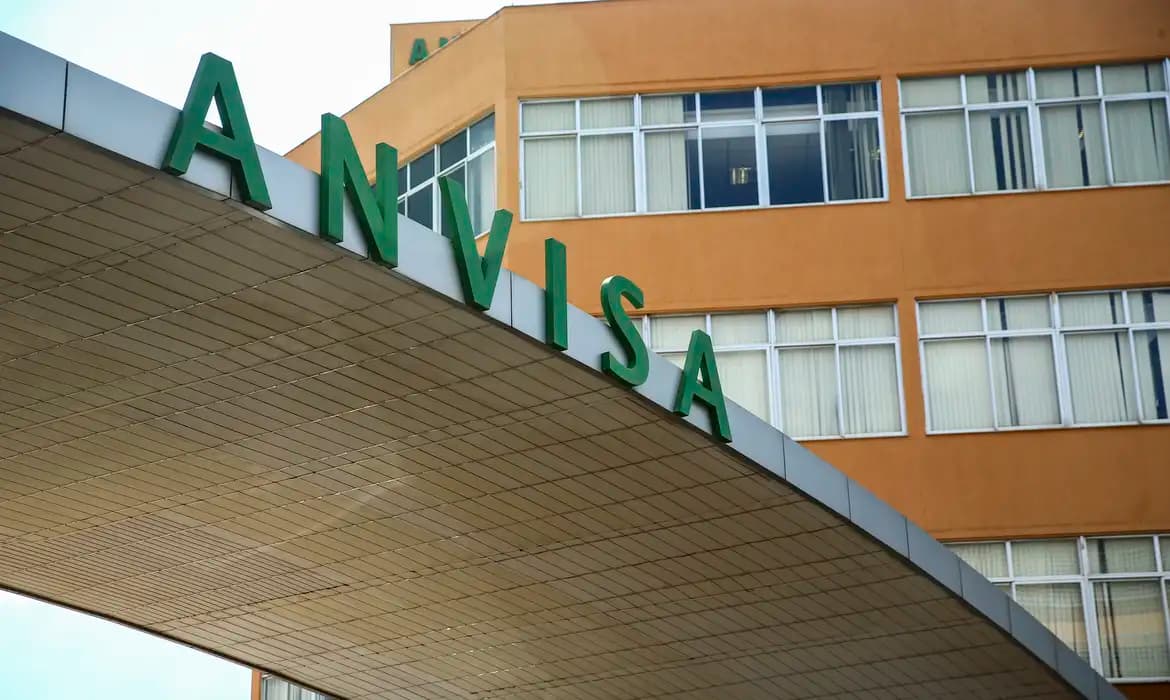
The National Agency of Vigilância Sanitária (Anvisa) has issued a warning about the risks of using ashwagandha, a supplement that has gone viral on TikTok and has been touted as a natural alternative to relieve the stress and symptoms of perimenopause. Despite its popularity on social networks, the substance is not authorized as an ingredient in dietary supplements in Brazil, and its manufacture, marketing, distribution and use in this category are prohibited.
The statement was released by the agency on Wednesday, after gaining international repercussions the case of a British woman who had serious health complications after using the product. According to the information cited by Anvisa, the patient suffered liver failure, cardiac arrest and severe brain damage.
The episode drew attention to the dangers associated with the consumption of products advertised on the internet without proper evaluation of the vigilância sanitária organs.
What is ashwagandha and why did it go viral?
Ashwagandha is a plant of Asian origin that has gained popularity on social networks, especially on TikTok, for alleged benefits related to the relaxation and relief of symptoms of perimenopause, a transition period that precedes menopause.
Influencers and internet publications have contributed to the promotion of the product as a natural alternative to well-being. However, Anvisa points out that ashwagandha does not integrate the list of ingredients authorized for dietary supplements in Brazil.
This means that products marketed in this category with the substance do not meet the Brazilian sanitary requirements.
British woman's case lights up risk warning
Anvisa’s alert has gained momentum after the disclosure of a case that occurred in the UK. One woman experienced serious complications after consuming a supplement containing ashwagandha.
Among the problems reported are liver failure, episodes of cardiac arrest and brain damage.
The agency used the case to reinforce the need for caution in the face of products that promise health benefits, especially those disclosed on social networks without adequate proof of safety and effectiveness.
Anvisa explains that supplements do not replace medical treatments
According to Brazilian legislation, dietary supplements have the purpose of supplementing food by providing nutrients, bioactive substances, enzymes or probiotics in specific situations.
These products can be found in different presentations, such as capsules, tablets, powders and bars.
However, Anvisa stresses that dietary supplements should not be disclosed as capable of curing, preventing or treating diseases.
The body also points out that not all people need supplementation. The decision should take into account health conditions, eating habits and the guidance of qualified professionals.
How do I know if a supplement is authorized in Brazil?
Before consuming any dietary supplement, the recommendation is to check if the product is regularized and if its ingredients are allowed by Anvisa.
The consultation can be carried out by the official system of consultations of Anvisa, using the registration or notification number indicated on the packaging, according to the type of regularization.
Even authorised products may pose risks when consumed in inadequate doses or without consideration of individual health conditions.
The guidance is to avoid the consumption of irregular products and seek professional evaluation before starting any supplementation, especially when there are promises of rapid results or treatments for health problems.