Banana does good for what? Discover the benefits and the best time to eat the fruit
On Banana Day, celebrated on this Tuesday (22), discover why the fruit is good for health, if it helps prevent cramps and what is the best time to include it in your diet.

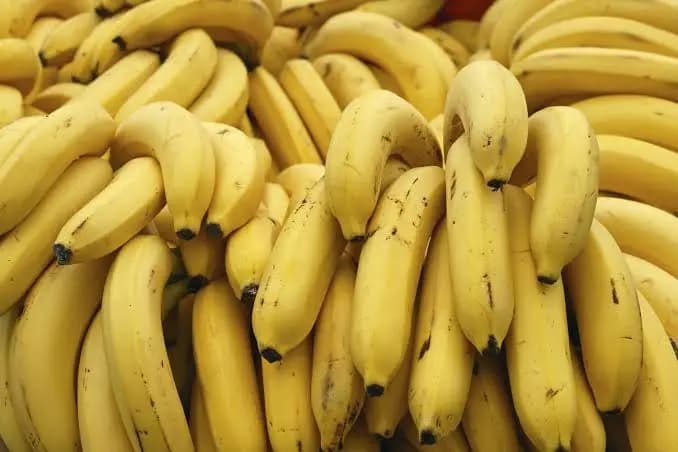
Cheap, delicious, easy to find and present on the table of many Brazilians, the banana is one of those fruits that combine with practically everything. It goes well for breakfast, afternoon snack, before the gym and even for dessert. But do you know what are the health benefits of bananas? Is there a right time to eat?
On Tuesday (22nd), Banana Day, the fruit gains prominence for its nutritional properties. Rich in carbohydrates, fiber, potassium and vitamins, it can help provide energy, contribute to the functioning of the intestine and be part of a balanced diet.
According to information published by the newspaper O Tempo, nutrition experts explain that bananas can be consumed at different times of the day, depending on the needs and routine of each person.
What are the benefits of bananas?
Bananas provide important nutrients for the functioning of the body. Among them, one of the best known is potassium, a mineral that participates in the functioning of muscles, the transmission of nerve impulses and the balance of fluids in the body.
An average banana contains approximately 422 milligrams of potassium, according to data from the National Institute of Health of Estados Unidos (NIH).
In addition, the fruit contains fibers, which help in intestinal functioning and contribute to the feeling of satiety.
The carbohydrates present in bananas also provide energy for daily activities. Therefore, it is usually part of the diet of people who practice physical exercise.
Another benefit is the presence of vitamins, such as B6, which participates in energy metabolism, and vitamin C, important for the functioning of the immune system.
When is the best time to eat bananas?
If you usually eat bananas in the morning, you can continue. If you prefer to eat the fruit in the afternoon or before bed, you also do not need to change the habit just because of the time.
According to experts heard by the newspaper O Tempo, there is no mandatory time to consume bananas. The choice depends on the routine, nutritional needs and other meals of each person.
In the morning, the fruit can accompany coffee, oats or yogurt. During the afternoon, it is a practical option to kill hunger between meals.
For those who practice exercise, bananas can also be an alternative before or after training.
Banana before training gives more energy?
- Yes. Because it contains carbohydrates, bananas can be a good option for those in need of energy before practicing physical activities.
According to nutritionist Diego Righi, a professor at Afya Centro Universitario Itaperuna, the fruit can be consumed about 30 to 90 minutes before exercise, depending on the digestive tolerance and the diet of each person.
After physical activity, bananas can also be part of recovery, especially when combined with foods that provide protein, such as milk or yogurt.
The important thing is to consider the intensity of the exercise and the individual needs.
Banana helps to avoid cramps?
This is one of the most common doubts about fruit.
Bananas contain potassium, an important mineral for muscle functioning. However, this does not mean that eating a banana is enough to prevent cramps.
The occurrence of cramps may be related to different factors, such as physical exertion, muscle fatigue and individual conditions.
Therefore, maintaining a balanced diet, taking care of hydration and respecting the limits of the body are important measures.
Bananas can contribute to potassium intake, but should not be considered an isolated solution to the problem.
Green or ripe bananas: which is the best?
Do you prefer that yellowish banana, with a few dark pints, or do you like to eat the fruit still a little green?
Know that the two options have different characteristics.
Greener bananas have a higher amount of resistant starch, a type of carbohydrate that is not fully digested in the small intestine.
As it matures, part of this starch is transformed into sugars, leaving the fruit sweeter and softer.
This does not mean that one is necessarily healthier than the other. The choice depends on the preferences and needs of each person.
Eating bananas every day is fattening.
You can rest assured: bananas do not cause weight gain simply by being consumed daily.
Like any other food, its effect on weight depends on the amount ingested, the diet as a whole and the energy needs of each person.
An average banana provides approximately 105 calories and 27 grams of carbohydrates.
The fruit can also be combined with oats, natural yogurt or other sources of protein and fiber to make up a more complete meal.
People with diabetes can include bananas in their diet, as long as they consider the amount of carbohydrates and individual nutritional guidelines. Those who have kidney disease may need to control their potassium intake, as recommended by their doctor.