Moda infantil: how to make the looks more fun

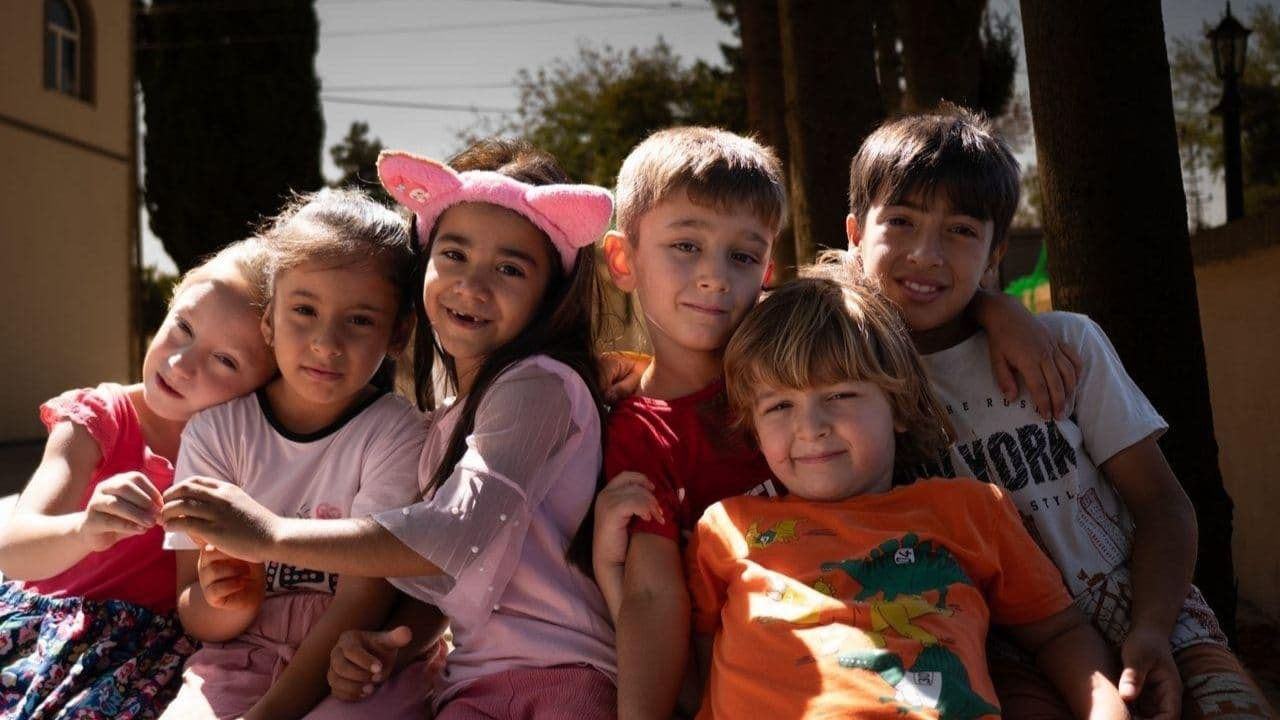
Assembling children’s productions that combine comfort, practicality and visual identity requires more than choosing colorful pieces. In the routine, clothing needs to accompany play, temperature changes, moments of rest and varied occasions, without limiting movements or creating excessive information in the visual. When this is well resolved, the look starts to work as an extension of the child’s personality.
More fun looks don't just depend on flashy prints. The effect usually arises from the combination of colors, textures, playful themes, comfortable modeling and easy-to-coordinate pieces. The secret lies in building light, functional and consistent compositions with the age group, valuing the actual use of each item in the day to day.
The role of comfort in children's visuals
Before thinking about the visual aspect, it is worth observing the basis of any successful children’s look: comfort. Soft fabrics, non-tightening patterns, and pleasant touch finishes help the child to play, sit, run, and rest without hassle. When the piece dresses well, the result also appears in the way the look is perceived.
Another important point is the fall. Very tight clothes, excessively structured or with details that bother you can turn a beautiful proposal into something unfunctional. In children’s fashion, visual fun works best when it is supported by practical, washable parts suitable for long periods of use.
Colors and prints create a more expressive look
One of the most efficient ways to bring lightness to the children's wardrobe is in the use of colors and prints. Vivid tones, soft contrasts and thematic designs help to compose a cheerful look without requiring complex combinations. This applies both to complete sets and to simple productions with one highlight piece.
In this context, items with a playful universe usually gain space on different occasions. When exploring character children's clothing options, for example, it becomes easier to include fun references in the look without losing practicality. This type of piece can function as a focal point of the look, balanced by shorts, pants or jackets with a neutral base.
Visual Themes Help Build Identity
Childhood is usually marked by very clear preferences, such as favorite colors, drawings, animals, elements of nature or characters. Incorporating these themes into the garment helps to create identification with the pieces and makes the time to dress more natural. Instead of treating clothes only as a necessity, the look begins to dialogue with affective repertoires and interests of everyday life.
That doesn’t mean turning all compositions into fantasies. The best result appears when the playful elements enter in a balanced way, in localized prints, discrete applications, mix of colors or light accessories. Thus, the look remains versatile and can be used in walks, school, family gatherings and leisure moments.
Simple combinations usually work better
In practice, making the look more fun does not require overlaying or overmixing information. Often, a printed T-shirt with a smooth bottom already creates an interesting and easy-to-use look. Similarly, a colorful pants can renew basic blouses and expand the possibilities of combination.
The most functional logic is in balance. If the top draws attention by the print, the bottom can play a supporting role. If the highlight is on a piece with intense color, the other items may follow a more neutral palette. This visual organization facilitates the assembly of the look and reduces the chance of tiring compositions.
Practical models accompany the routine
In addition to the visual, modeling directly influences the perception of lightness and freedom in children’s clothing. Parts with comfortable elastic, loose-cut t-shirts, knitted sets, and items that allow you to dress and pull easily tend to work best on hectic routines. This care also favors autonomy in the phases in which the child begins to participate more in the choice of clothes.
In everyday life, practicality and style do not need to dispute space. When the piece dries easily, allows good mobility and combines with other items in the cabinet, the chance of recurring use increases. This makes the wardrobe smarter and helps you make the most of each purchase, especially in phases of accelerated growth.
Textures and details change the end result
Not all visual fun depends on prints. Lightweight mugs, apparent pockets, contrasting trimmings, soft appliques, fluted and textured fabrics can turn basic productions into more interesting compositions. These features bring depth to the look and help vary the look even within a simple color chart.
The focus, however, is on the functionality of the detail. Elements that are too rigid, bulky or too sensitive to washing can disrupt the routine. In children’s clothing, the ideal is to look for finishes that maintain the charm of the piece without compromising comfort, maintenance and durability.
The occasion of use guides the choice of parts
Fun looks can also be suitable for different contexts. For school, they usually work best in combinations that are tough, breathable, and easy to wash. On tours, it is worth exploring light overlays, more striking prints and pieces that make good photos without losing the freedom of movement. In special meetings, the look can gain differentiated colors or more elaborate details, as long as the child remains comfortable.
This reading of the occasion helps to make more coherent choices. The goal is not just to put together a beautiful look, but to make sure it makes sense for the activity of the day. When clothing follows the routine naturally, the playful proposal is no longer just aesthetic and becomes really functional.
The organization of the cabinet facilitates creative productions
A well-thought-out children's wardrobe favors more interesting combinations. Separating wildcards, stamped items, practical sets and options for mild or cold weather helps to better visualize what already exists. This makes it easier to alternate proposals and avoid repeating identical formulas.
A functional base can include smooth T-shirts, leggings, comfortable shorts, lightweight coats and some highlight pieces. From this structure, the looks gain variety with less effort. Instead of relying on many different clothes, the organization allows you to better use what you already talk to each other.
The child’s participation strengthens the relationship with dressing
Whenever the age group allows, including the child in the process of choosing tends to generate more identification with the look. This participation can happen in the selection of colors, prints or possible combinations within previously defined options. The result is usually a more positive relationship with the time of dressing.
It is also a way of stimulating aesthetic perception and autonomy without giving up practicality. When the adult organizes pieces compatible with each other, the child is able to make an opinion within a functional context. Thus, the visual becomes more authentic, fun and connected to the individual taste.
Limitations and care in the choice of look
Although the playful proposal is important, some cares avoid common mistakes. Parts with excess avians, rough fabrics, inadequate transparency, excessive heat or modeling that restrict movements can compromise the experience of use. In addition, it is worth observing the ease of washing, since children's clothes usually require frequent maintenance.
Another important point is the balance between aesthetics and durability. A fun look needs to remain functional after several uses. Therefore, the choice tends to be more efficient when considering thermal comfort, fabric strength, practicality in the closure, quality of finish and versatility for different combinations.
In children's fashion, more fun looks come when comfort, color, identity and practicality work together. More than following a trend, the best choice is usually the one that follows the routine with lightness and leaves room for childhood to appear in the dress.