Quaest: corruption and democracy weigh on the vote
Poll reveals that not being involved in corruption and defending democracy are the most valued characteristics by voters in choosing a presidential candidate. The survey, commissioned by O Globo and Globo, interviewed 2,004 people between August 30 and September 1.

The Quaest poll released on Sunday points to the characteristics of the candidate that voters consider to be the most important in the decision to vote for president. The survey was commissioned by the newspaper O Globo and by Globo. The data show that the fight against corruption and the defense of democracy are at the top of the priorities of the Brazilian electorate.
The study surveyed 2,004 people aged 16 and older across the country between August 30 and September 1. The margin of error is two percentage points, for more or less, and the level of confidence is 95%. The survey was registered in the Superior Electoral Court (TSE) under the number BR-07065/2026.
What weighs most in choice
According to the survey, the non-involvement with corruption and the defense of democracy are the factors most cited by the interviewees. These themes outweigh other traditionally evaluated characteristics, such as administrative experience or economic proposals. The source did not detail the full list of options presented to voters.
In the division of the electorate by political position, 33% of independent voters cited non-involvement with corruption as the most important factor, and 26% cited the defense of democracy. This indicates that, even among those who do not identify with a specific political field, integrity and respect for democratic institutions are crucial.
Differences between Lulistas and bolsonaristas
There is a difference between Lulistas and bolsonaristas. Among the first, the most mentioned characteristic (29%) was the commitment to democracy. In the bolsonarist group, 41% consider it essential that the candidate has no connections with corruption cases. See the detail in the graph below:
This divergence reflects the distinct priorities of the two political groups. While supporters of former President Lula emphasize the defense of the democratic system, Jair Bolsonaro voters place honesty and the absence of scandals as a fundamental requirement. The research does not explore the reasons behind these differences.
Electoral scenario of the first round
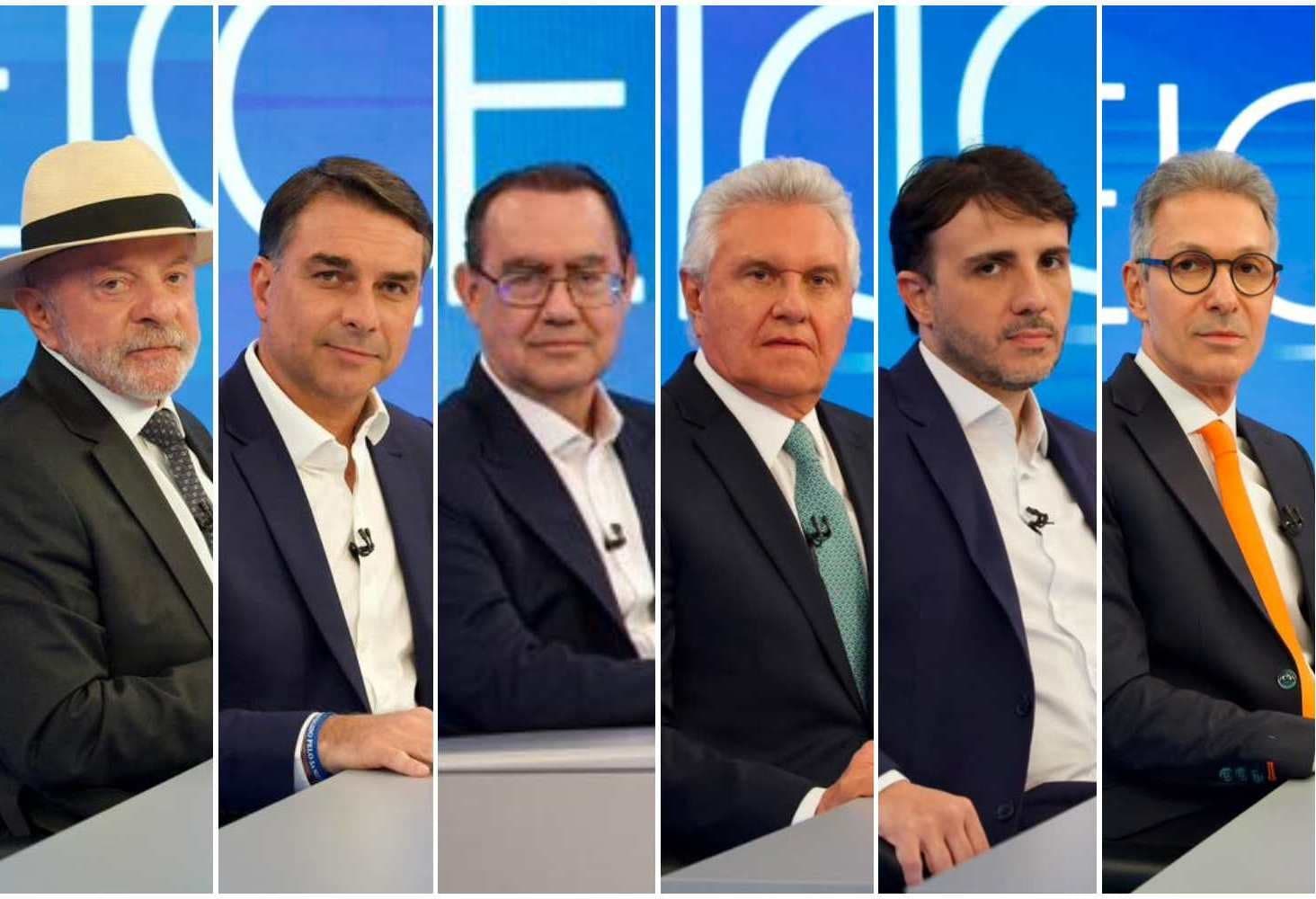
In addition to the characteristics valued, Quaest also released voting intention numbers for the first round. The results show Lula with 37%, Flávio Bolsonaro with 29%, Cury with 10%, Renan with 3%, Caiado with 1% and Zema with percentage not reported in the disclosure. The source did not detail the full list of candidates or the sum of the percentages.
These numbers indicate a polarized dispute, with Lula ahead, but without guaranteeing victory in the first round. The presence of Flávio Bolsonaro as second place suggests the continuation of political polarization in the country. The other candidates appear with lower percentages, but they can influence the scenario in a possible second stage.
Methodology and reliability
The Quaest survey was conducted with 2,004 interviewees, with a margin of error of two percentage points and a confidence level of 95%. These parameters are standard in electoral surveys and guarantee the representativeness of the results. The registration in the TSE under the number BR-07065/2026 ensures the transparency of the process.
The data were collected between August 30 and September 1, covering all regions of the country. The sample included people aged 16 or older, reflecting the electorate able to vote. The disclosure was made in partnership with O Globo and Globo, vehicles of great national reach.
What this means for the voter
Quaest’s results offer a portrait of the concerns of the Brazilian electorate on the eve of the presidential election. The emphasis on corruption and democracy suggests that candidates will need to address these issues clearly and convincingly to win votes. The research does not evaluate the performance of candidates in these areas.
For the voter, understanding these priorities can help in reflection on the vote itself. The matter will continue to follow the unfolding of the electoral race and new surveys. Stay tuned to the Boca no Trombone portal for further analysis and information on the political landscape.
Read Also
Flávio Bolsonaro comes to Ponta Grossa this Saturday; see why
Gilmar proposes to block police and military in offices of the STF
Peru Declares Emergency in 5 Maximum Security Prisons
Font
g1.globo.com