Quaest in Pará: Helder leads with 25% for Senate
Survey by Quaest, commissioned by TV Liberal, shows Helder ahead with 25% of voting intentions for Senate in Pará. Delegado Éder Mauro and Chicão are tied with 15%, followed by Zequinha with 10%. The poll surveyed 804 people and has a margin of error of three percentage points.

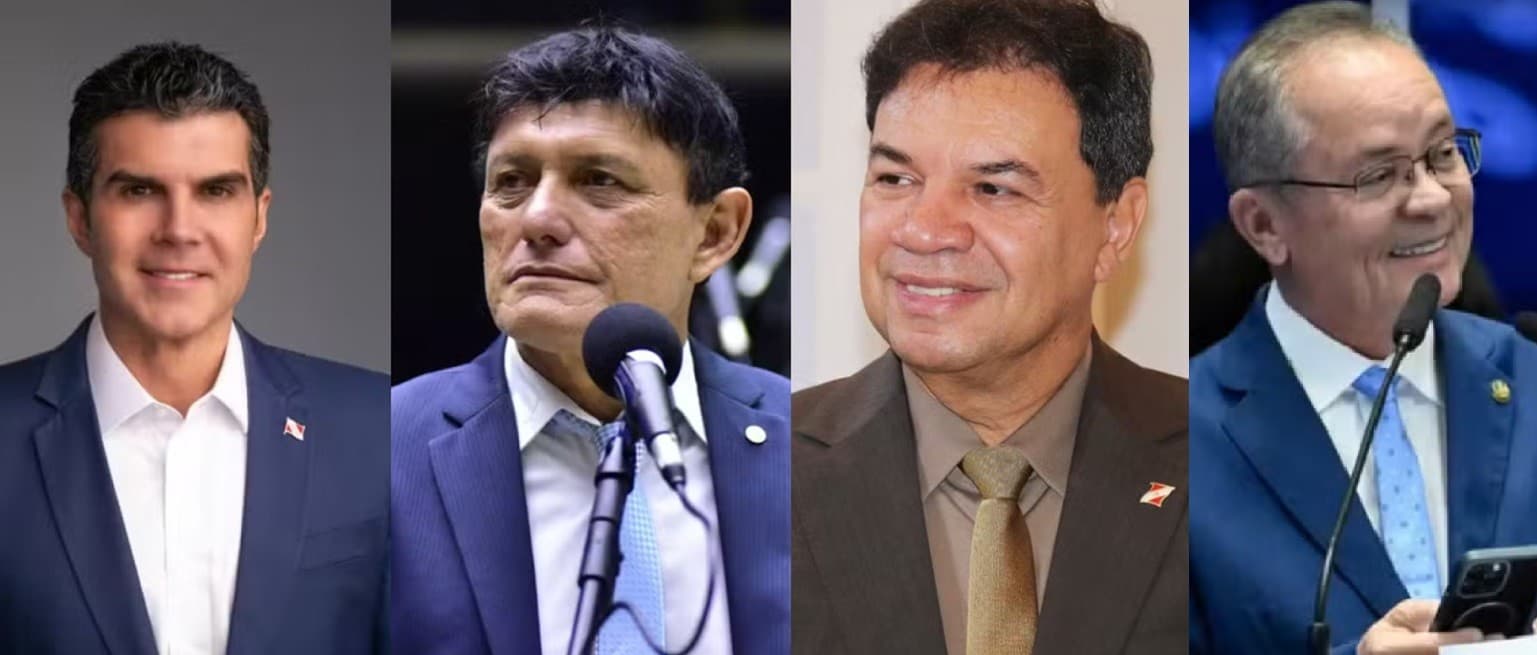
The contest for two seats in the Senate for Pará in 2026 begins to gain more defined contours. The Quaest poll released on Saturday (26), commissioned by TV Liberal, shows Helder in the lead, with 25% of voting intentions. Then appear Delegate Éder Mauro and Chicão, both with 15%, and Zequinha, with 10%. The survey listened to 804 people aged 16 years or older between September 22 and 25, with a margin of error of three percentage points for more or less and a confidence level of 95%.
The scenario reflects the complexity of an election in which each voter will need to choose two different names. In 2026, two senators will be elected in each state and in the Federal District, to renew 54 of the 81 seats. Every voter needs to vote for two different candidates. You cannot choose the same name twice. This rule makes the contest more dynamic and requires candidates to conquer both the first and second vacancies.
How the research was done
Quaest used two question formats: the spontaneous, in which the names are not shown to the voters interviewed, and the stimulated, in which the list of candidates is presented. In the spontaneous survey, 69% are undecided, because they did not know how to cite a candidate. This high indecision rate indicates that the dispute is still open and that many voters have not yet fixed their preferred names.
In the stimulated survey, the list of candidates is shown, and each interviewee needs to answer twice for whom he wants to vote: for the first vacancy and then for the second vacancy. The results of the poll for the Senate consider the mentions for the first and the second vacancies in a total that adds 100% of the voting intentions and maintains the ratio between candidates, white / null and undecided. See the numbers below:
Helder: 25%
Delegate Éder Mauro: 15%
Chico: 15%
Squirrel: 10%
Whites/nulls: source did not detail
Indecisive: the source did not detail
Now, look at the results that consider only the answers to the first job and then to the second. The source did not detail these numbers separately, but the overall sum points to Helder's leadership and the technical tie between Éder Mauro and Chicão, considering the margin of error.
Definition of vote and rejection
For 67% of the voters heard in the survey, the choice of the candidate is final. Another 33 percent say they can still change the vote until the October 4 election. This percentage of voters still undecided or prone to change is relevant and can change the picture until the election date.
Quaest also asked voters about each of the candidates: if they know and would vote, if they do not know or know each other and would not vote. The most rejected candidates (higher rates of "know and would not vote") are Helder (MDB) and Delegate Éder Mauro (PL). This data suggests that while Helder leads the voting intentions, he also faces significant resistance from the electorate.
Sample Details
The search was registered on the TSE under the number PA-07042/2026. The margin of error is three percentage points, for more or less, and the level of confidence is 95%. This means that the percentages can vary within that range. For example, Helder can have between 22% and 28% of intentions, while Éder Mauro and Chicão can range between 12% and 18%.
Below, see the full data of the spontaneous survey. The source did not detail the individual percentages in the spontaneous, but reported that 69% are undecided. The other 31% were distributed among the candidates mentioned spontaneously, but Quaest did not disclose the exact division.
What to Expect from the Dispute
With the election scheduled for October 4, the scenario may still change. The high rate of undecided voters in the spontaneous poll and the percentage of voters who admit to changing the vote indicate that the campaign will be intense. Candidates should focus on converting undecided and reducing rejection, especially Helder and Éder Mauro, who lead in this matter.
For the Paraná elector, the choice of two senators requires redoubled attention. It is necessary to know the proposals of each candidate and evaluate which pair best represents the interests of the state in Congresso Nacional. The Quaest poll offers a picture of the moment, but the final vote will be defined in the ballot box.
Read Also
Candidates exchange states for Senate seats in 2026
How much is the PR worth? Millions move the race for Iguazu? by Gleidson Carlos
Useful vote gains strength between Lula and Flavio in the final straight
Font
g1.globo.com