Sánchez advances Spanish elections after protests
Pressed by housing protests and political weariness, Spanish Prime Minister Pedro Sánchez announced the early legislative elections. The vote was originally scheduled for 2027 but will now take place after a defeat in Congress and a drop in popularity.

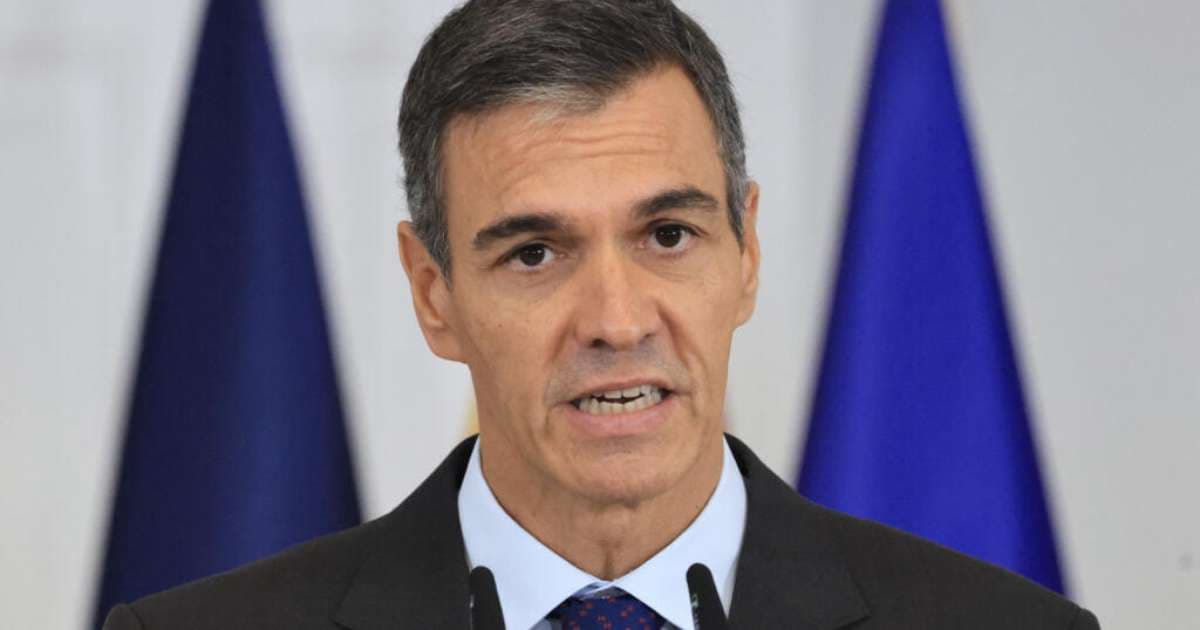
Spain’s Prime Minister Pedro Sánchez announced early elections on Sunday. The decision comes amid a wave of protests over dignified housing and the political attrition of his government, which suffered a defeat in Congress last Friday. Elections were initially planned for 2027.
In a solemn statement from the official residence of the Moncloa Palace, Sánchez said an extraordinary Council of Ministers would be convened on Monday to formalize the process. The socialist leader has been in power since 2018 and faces an unprecedented crisis of popularity.
Housing crisis triggers protests
The outbreak of the crisis was the eviction of the elderly Maricarmen Abascal, 87, on September 23. She could no longer pay the rent of the apartment where she had lived for more than 70 years and became a symbol of the housing crisis affecting the country. The property was acquired by an investment company that wanted to increase the rent by 275%.
Since then, thousands of Spaniards have taken to the streets to defend the right to dignified housing. On Saturday, tens of thousands of people protested in Madrid and several Spanish cities. Hundreds of protesters have been camping for more than a week at the Puerta del Sol in the center of the capital to press for reforms.
Defeat in Congress shows fragility
Sánchez’s announcement comes after a political defeat in Congress on Friday that highlighted the difficulties of his minority coalition government in passing proposals in parliament. The government tried to get a package of measures approved amid the wave of protests, but failed to gather enough support.
Parliamentary fragility adds to other factors of wear. After eight years in power, Sanchez is weakened by corruption scandals involving family members and close people, including his wife and Socialist Party collaborators. The source did not detail the specific cases.
Opposition Leads Research and Celebrates
The most recent opinion polls put the main opposition conservative party, the Popular Party (PP), ahead of the socialists. However, the PP would not obtain an absolute majority and could be forced to negotiate with the extreme right of Vox, the country’s third political force.
The leader of the PP, Alberto Núñez Feijóo, reacted to the announcement: "If eight years were not enough, why want four more?". His party had been advocating early elections and celebrated the fact that the Spaniards could "finally" pronounce themselves.
Other Crises Pressure the Government
In addition to housing, Sánchez faces criticism for his handling of the crisis in the northern African enclave of Ceuta, where thousands of migrants from Morocco entered en masse at the end of July. The situation on this European land border with Africa has deteriorated, with many migrants still living in makeshift camps.
This has provoked tensions and almost daily demonstrations of the local population, which demands a return to normality. The accumulation of crises contributed to the decision to anticipate the elections, which must now take place on a date to be defined by the Council of Ministers.
The anticipation of elections in Spain may have a bearing on European policy and relations with Brazil, especially on issues such as trade and cooperation. The Boca no Trombone Portal will continue to monitor the unfolding of this crisis and its impacts on readers of the Ponta Grossa and Campos Gerais region.
Read Also
Lula wins in Oceania, but Flavio leads votes abroad
Milei congratulates Flávio Bolsonaro and calls Lula a communist
Sérgio Moro celebrates electoral victory and designs technical government in Paraná
Font
www.terra.com.br