Savings lose R$ 8.8 billion in October; withdrawals surge in 2026
Withdrawals from savings surpass deposits by R$ 8.88 billion in October. Net withdrawals reach R$ 75.3 billion in 2026


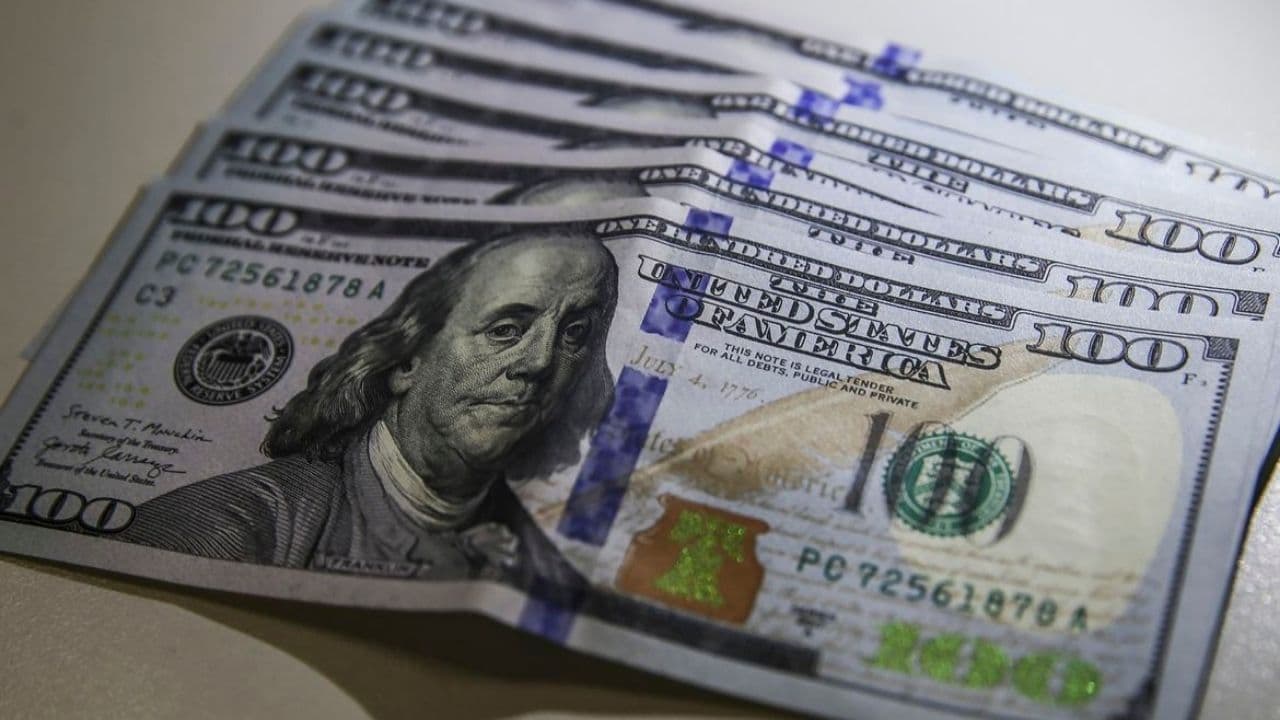
The savings card recorded a net withdrawal of R$ 8.88 billion in October 2026, according to data released on Wednesday (11) by Banco Central (BC). The result shows that Brazilians continue to withdraw more money from the application than by depositing, in a scenario marked by high interest rates and greater attractiveness of other investment modalities.
During October, deposits in savings totaled R$ 341.49 billion, while withdrawals reached R$ 350.37 billion. The difference between inputs and outputs resulted in a negative balance of R$ 8.88 billion.
Despite the withdrawal of resources, the revenues credited to the accounts totaled R$ 6.32 billion. With this, the total balance of the savings notebook ended October at approximately R$ 1.01 trillion.
The performance was less negative than that recorded in September, when the withdrawals exceeded the deposits at R$ 9.350 million. In comparison with October 2025, when the net outflow reached R$ 9.65 billion, there was also a reduction in the volume of withdrawals.
Savings accumulates losses of R$ 75.3 billion in 2026
The data from the Banco Central reveal that the outflow of savings resources is not an isolated phenomenon. Between January and October 2026, the application accumulated a net withdrawal of R$ 75.31 billion.
In that period, Brazilians deposited approximately R$ 3.55 trillion, but withdrew R$ 3.62 trillion.
In the first ten months of the year, only May registered a positive result, with net income of R$ 2.6 billion. In all other months, the volume of withdrawals exceeded that of deposits.
January presented the worst performance of the period, with a net withdrawal of R$ 23.51 billion.
This movement shows a tendency to reduce the resources applied to savings, traditionally considered one of the main investment alternatives of Brazilians.
High Selic favors other investments
One of the factors that help to explain the exit of money from savings is the current level of the basic interest rate of the Brazilian economy.
In early November, the Monetary Policy Committee (Coupon) of the Banco Central decided to keep the Selic rate at 11.75% per year. The institution justified the decision by the persistence of inflation expectations above the target, which requires caution in the conduct of monetary policy.
With high interest rates, other fixed income applications, such as Direct Treasury securities and investments linked to the Interbank Depository Certificate (CDI), become more attractive to some investors.
These alternatives can provide higher returns than the savings book, although they present differences in taxation, liquidity and risks.
Market forecasts high interest rates by the end of the year
The outlook for the Brazilian economy indicates that interest rates should remain at high levels in the coming months.
According to the latest Boletim Focus survey conducted by Banco Central with financial institutions, the market expects Selic to close 2026 at 13.75% per year.
The report also points to an inflation projection of 5.22% for this year, while the estimate of growth of Brazil’s Gross Domestic Product (GDP) is 1.75%.
With this scenario, savings should continue to face competition from other fixed income investments, especially among Brazilians who seek greater profitability for their financial reserves. (The information is from Agência Brasil)
Defesa Civil points to garbage, erosion and risk of slippage at 11 points of PG